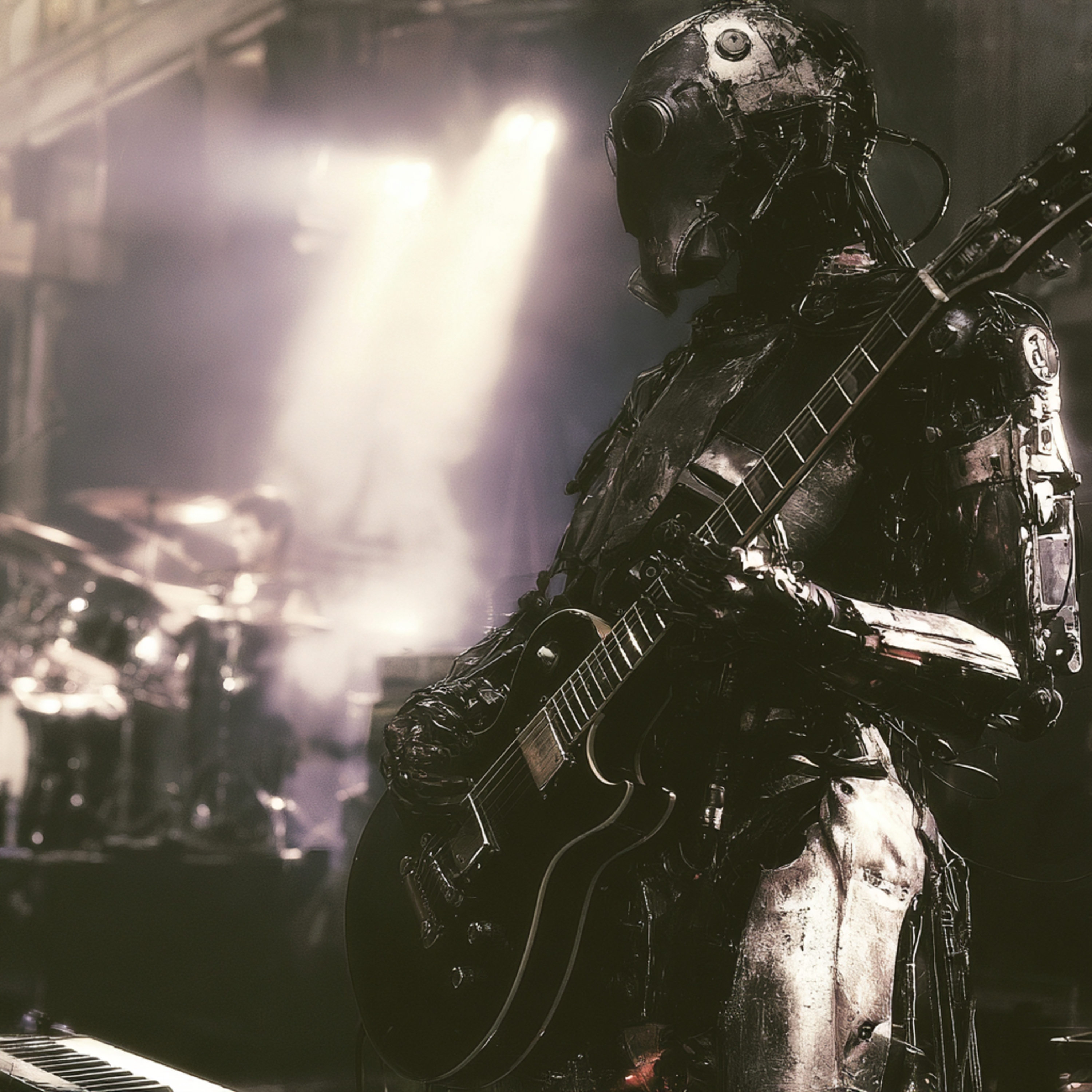
How AI Is Reshaping Music in 2026: Innovation, Copyright Battles, and the Human Edge
· 49:13
AI is moving from novelty to infrastructureThe music world is no longer treating AI as a fringe experiment. Tools for generative audio, remixing, co-production, workflow assistance, and trend prediction are becoming part of the everyday machinery of music creation and discovery.
Legal and ethical pressure is intensifyingA major thread running through these stories is the battle over copyright, training data, and artist consent. Labels, indie artists, and platforms are all pushing for clearer rules around how AI systems are trained and how synthetic music is labeled and distributed.
Transparency is becoming essentialAs AI-generated tracks become harder to distinguish from human-made music, the industry is responding with disclosure labels, detection tools, and new norms around provenance. The goal is not just compliance, but preserving trust between artists, platforms, and listeners.
Real-time and adaptive music is arrivingThe sources point to a new era of interactive audio, where music can be generated or modified live in response to data, environments, or user behavior. That shifts AI from a studio-only tool into something that can shape performance, games, and immersive media in the moment.
The future looks collaborative, not fully automatedThe strongest takeaway is that AI is acting more like a co-producer than a total replacement. The opportunity is real, but so is the need to protect the rights, identity, and emotional core that human musicians bring.
This audio blog paints 2026 as a turning point: AI is rapidly becoming woven into music production and discovery, but the real battle is about how to keep creativity, ownership, and human meaning intact while the tools get more powerful.