AI Music at a Crossroads: Major Investments, Legal Fights, and Labeling Rules

From high-stakes federal courtrooms to official chart rankings, the music world is working hard to figure out how synthetic tracks and human artistry can live side by side.
Major Labels Back Stability AI in $76M Funding Round
In a landmark sign of collaboration, the music industry's biggest power players are choosing partnership over opposition. Universal Music Group, Sony Music Group, and Warner Music Group have all taken an equity stake in Stability AI, participating in a massive $76 million Series B funding round.
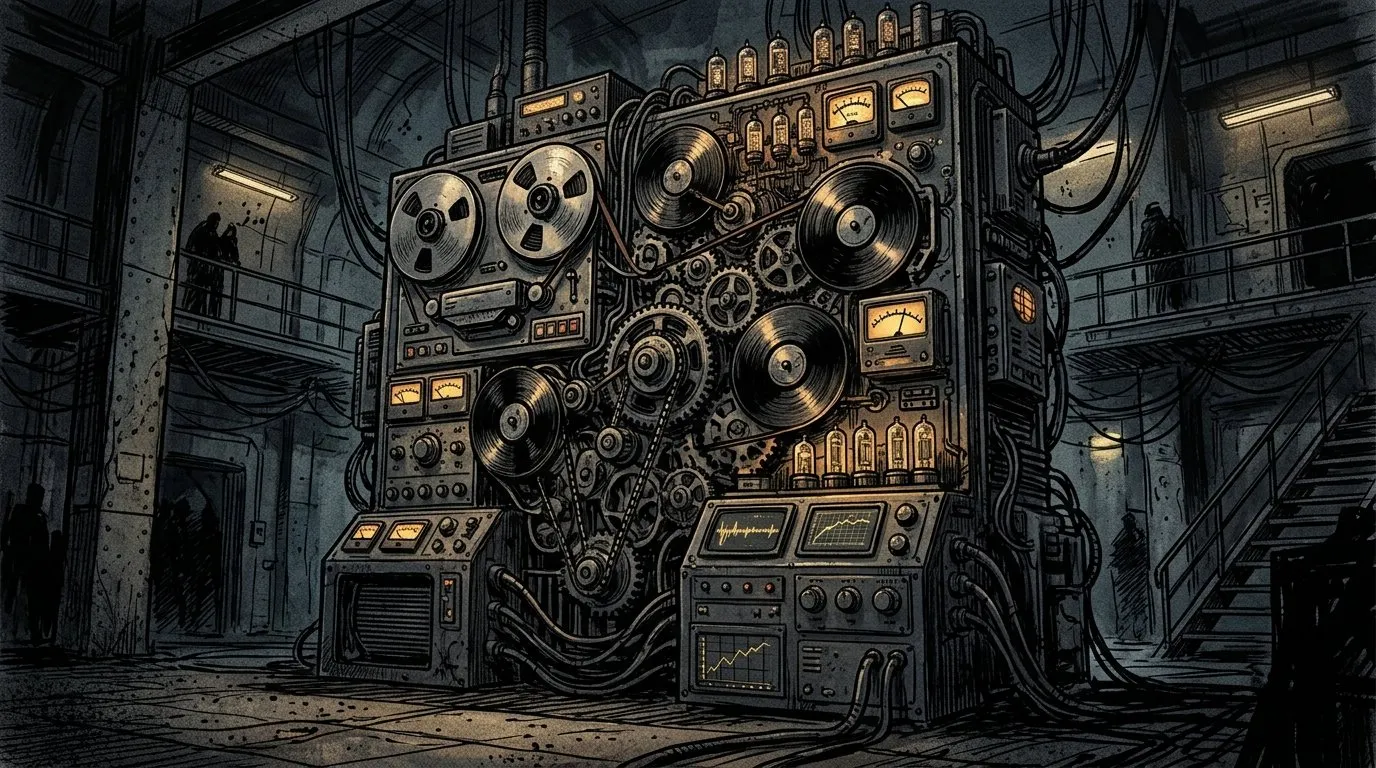
This major investment follows the release of Stable Audio 3.0, a suite of generative AI music models designed specifically for commercial and studio workflows. What makes this technology special is its training data. Unlike open-source models that scrape the web without permission, Stable Audio 3.0 was trained exclusively on fully licensed music catalogs.
By taking direct financial stakes in Stability AI, the major labels are sending a clear signal. They want to guide the development of ethical AI tools that support producers, songwriters, and artists while ensuring that rights holders receive proper compensation for their intellectual property.
Suno Surges in Popularity Despite Legal Battles
While licensed studio tools gain industry support, consumer-facing AI platforms are experiencing astronomical growth. Suno, one of the most prominent text-to-music generators, has officially surpassed 100 million total users. The platform now powers an astounding 7 million track generations every single day.
Suno's explosive rise earned CEO Mikey Shulman a spot on the prestigious TIME 100 AI list. The platform has also started securing major industry partnerships, striking commercial licensing deals with rights holders such as BMG and Warner Music Group.
Independent Artists Push Back in Court
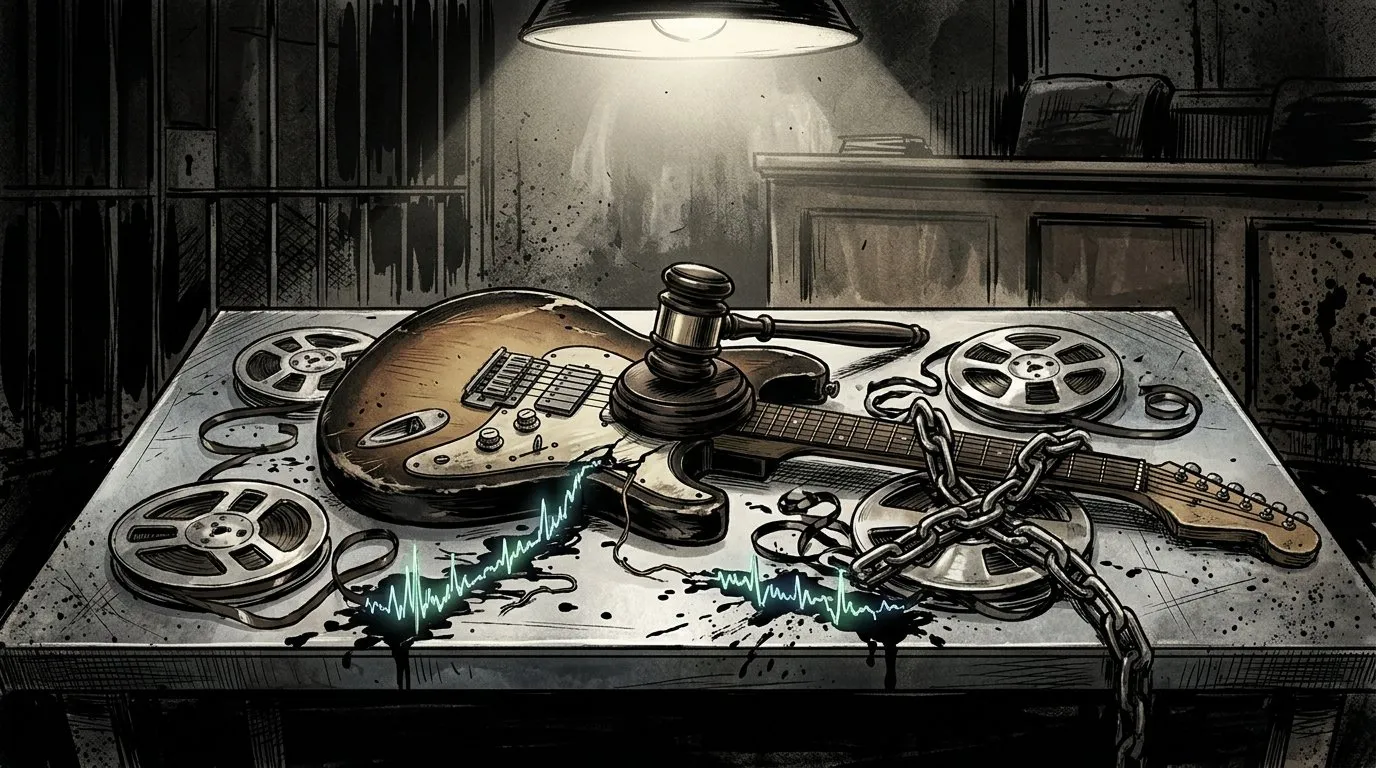
However, Suno still faces significant legal challenges from the grassroots music community. In a federal court in Massachusetts, US District Court Judge F. Dennis Saylor IV recently denied most of Suno's motion to dismiss a proposed class-action lawsuit.
The legal action, led by independent musician Tony Justice, accuses Suno of building its commercial foundation on unauthorized training data. The judge's ruling allows core claims—including alleged technological circumvention and the creation of unauthorized derivative works—to proceed directly into the discovery phase. This case could establish critical legal precedents regarding how AI companies ingest copyrighted music to train commercial algorithms.
Streaming Services and Chart Compilers Draw the Line
As the volume of synthetic music grows across digital service providers, industry leaders are rolling out new systems to monitor and manage machine-made content.
ARIA Bans Fully AI-Generated Songs from Official Charts
In Australia, chart compilers have taken a firm stand to protect human musicians. The Australian Recording Industry Association (ARIA) updated its official Charts Code of Practice to ban songs created entirely by artificial intelligence from appearing on national rankings.
The policy change came after intense public backlash when an AI-generated cover of Madonna's classic hit 'Like a Prayer' climbed all the way to No. 2 on the Australian singles chart. Moving forward, ARIA rules state that songs must feature meaningful human creative involvement to compete for official chart positions.
Luminate Launches AI Tracking Across Digital Platforms
To help distributors and streaming platforms understand how much synthetic content is circulating, entertainment data leader Luminate introduced a comprehensive AI tracking framework within its CONNECT platform.
Luminate's system combines proprietary audio recognition tools with distributor metadata and platform attribution. This helps DSPs, record labels, and royalty administrators accurately identify, monitor, and measure the real-world consumption of AI-generated music across global streaming ecosystems.
The Transparency Dilemma: Apple Music Badges and Consumer Bias
Metadata transparency is quickly becoming the standard across major streaming platforms. Apple Music recently informed record labels and digital distributors that any music made primarily with generative tools must include clear AI metadata. The service plans to display visible 'Made With AI' badges directly to listeners later this year.
While transparency helps listeners know what they are hearing, it also presents an interesting commercial challenge for artists using AI tools.
The Perception Penalty
A recent research study highlighted by ProMarket revealed an unexpected psychological trend among music fans. In blind listening tests, everyday listeners often rated AI-generated music just as highly as—or even higher than—tracks written and performed by human artists.
However, the moment researchers informed participants that a song was created by an AI model, listener appreciation dropped dramatically. Audiences perceived the exact same audio as less valuable, less emotional, and less authentic once they saw an AI label. This consumer bias suggests that mandatory platform tags could create real commercial hurdles for hybrid creators who use artificial intelligence as part of their creative process.
Looking Ahead
The music ecosystem is evolving rapidly to find balance in an automated world. Record labels are investing heavily in licensed generative technology, courts are examining how models are trained, and platforms are building clear rules for chart eligibility and metadata tagging.
As technology advances, success in the music business will depend on finding a healthy middle ground. Platforms and labels must embrace technological innovation while preserving human authenticity, transparent attribution, and fair compensation for creators.
Sources: Universal, Sony, and Warner Music Join $76M Series B Funding Round in Stability AI, Luminate Launches Global Framework to Identify and Track AI-Generated Music, Australia's ARIA Charts Bar Fully AI-Generated Songs From Official Rankings, Federal Court Rejects Suno's Bid to Dismiss Indie Artist Proposed Class Action, Apple Music Mandates 'Made With AI' Tags and Consumer-Facing Labels, Suno Scales to 7M Daily Tracks as CEO Mikey Shulman Named to TIME 100 AI, Study Finds Listeners Enjoy AI Music but Devalue It Once Labeled