Smart Tools, Listener Pushback, and Legal Woes
Tech developers continue to roll out powerful new tools for creators, legal regulators and everyday music fans are responding with growing skepticism. As cutting-edge platforms try to redefine the creative process, the gap between tech ambition and real-world acceptance is becoming impossible to ignore.
Smarter Workflows: Tencent Music Tests MusicBuddy
For the past couple of years, the rise of generative AI in music mostly centered on text prompts that spat out finished audio tracks. A user typed a quick sentence, pressed enter, and received a flat stereo file. However, serious music makers quickly pointed out the limits of that approach. It left almost no room for nuance, detailed arrangement, or real studio collaboration.
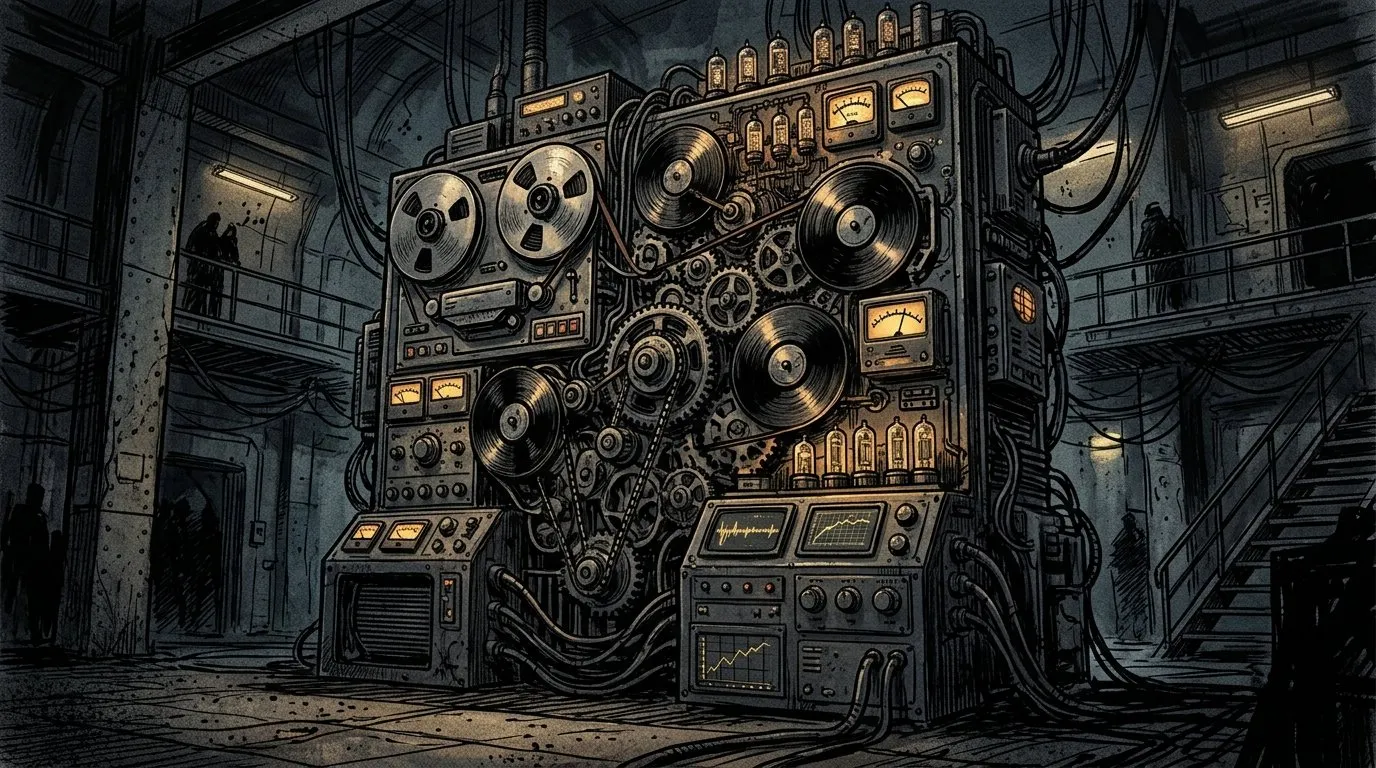
Now, streaming giant Tencent Music is stepping forward with a completely different philosophy. The company has started internal testing for MusicBuddy, an all-in-one digital audio workstation designed to guide artists through the entire creative lifecycle. Instead of acting like a novelty track maker, MusicBuddy combines creative generation with multitrack editing, release distribution, and promotional support.
What makes this setup special is its approach to song structure. Rather than locking creators into an uneditable audio bounce, MusicBuddy uses natural language agents to adjust individual song layers and instrumental stems. For example, a producer can keep the drum groove while asking the system to rewrite a bassline or tweak a synth pad. This shift signals an important turning point for the industry: automated tools are transitioning from standalone song generators into comprehensive workflow partners for human musicians.
The Fan Divide: Most Listeners Reject AI Songs
While software companies invest heavily in building automated hitmakers, there is one massive obstacle standing in their way: the audience. A major new study from Signal Hill Insights highlights a staggering disconnect between tech enthusiasm and consumer appetite.
According to the findings, a supermajority of 65% of surveyed listeners report that they actively dislike AI-generated songs. Even more striking, a mere 5% of listeners say they actually enjoy listening to music made by algorithms. Despite music streaming platforms experimenting with synthetic artists, AI-driven mood playlists, and virtual creators, everyday audiences remain firmly attached to human emotion.
Music fans value authenticity, personal stories, and the shared vulnerability that human performers bring to their art. When listeners discover that a track was assembled entirely by software without human touch, they often feel disconnected or misled. This sentiment gap shows that no matter how clean or realistic synthetic vocals sound, an algorithm cannot easily replace the lived experiences behind authentic songwriting.
Scrutiny in Europe: Italy Targets Suno's Terms of Service
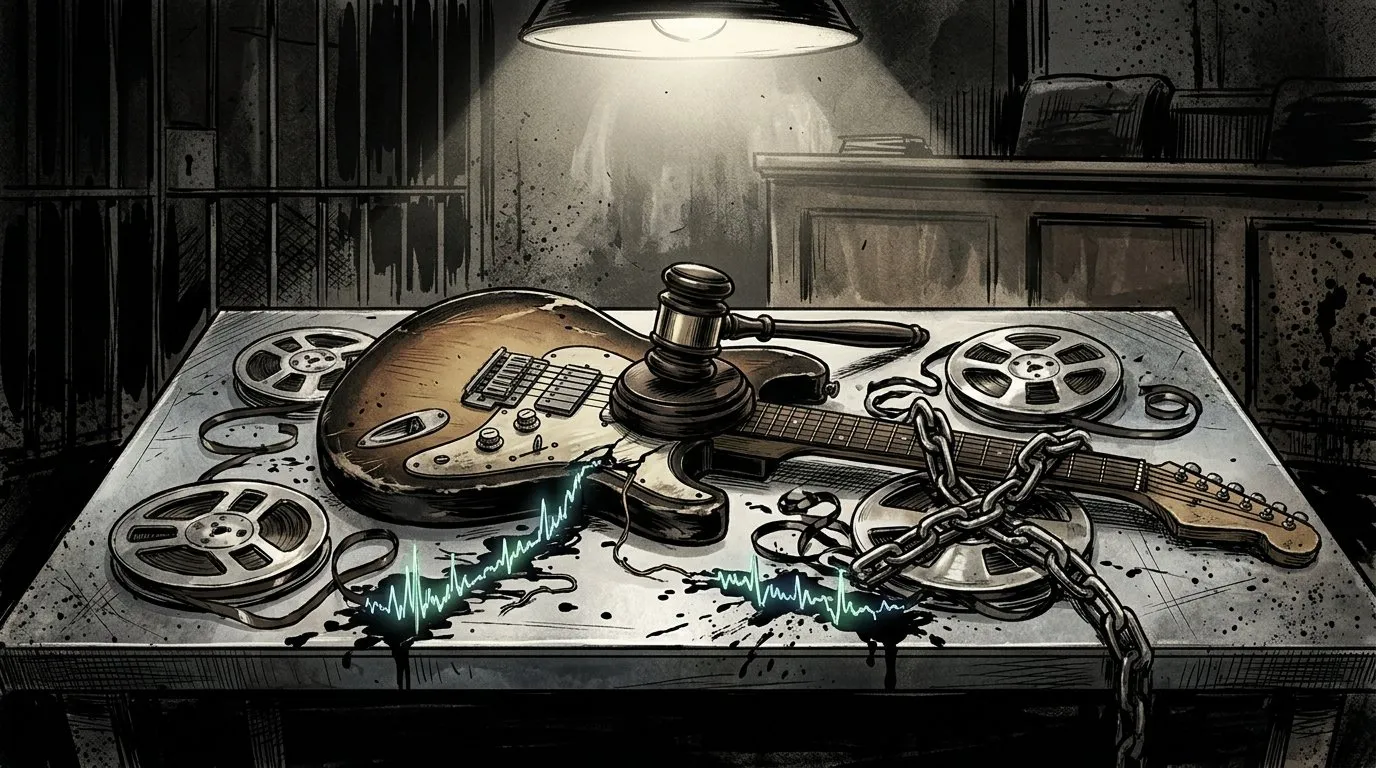
As audiences push back culturally, government authorities are stepping in legally. In Italy, the national competition watchdog—the Italian Antitrust Authority (also known as the AGCM)—has opened a formal investigation into popular generative audio platform Suno.
While Suno is already dealing with high-profile copyright lawsuits brought by record labels in the United States, this European investigation focuses on a different angle: consumer protection. The AGCM is closely reviewing the fine print inside Suno's terms of service, examining whether certain clauses unfairly disadvantage users.
Regulators are asking tough questions about user rights, licensing agreements, and who is on the hook when legal problems arise:
- Who truly owns the intellectual property of a prompt-assisted track?
- Are paying users given clear, honest commercial rights to what they produce?
- Does the platform unfairly push legal liability onto everyday users if generated material infringes on existing copyrighted music?
If regulators find that these policies exploit consumers or conceal legal risks, it could force generative audio companies worldwide to rewrite their terms and rethink how they license their software.
Tracking the Synthetic Wave: Google SynthID Sets a Record
With millions of AI-generated audio clips entering the internet every month, verifying where sound comes from has turned into an urgent challenge. Record labels, distributors, and streaming apps are demanding dependable ways to tell human recordings apart from machine-made sound.
In response, Google announced an astonishing milestone for its digital watermarking infrastructure, known as SynthID. The company revealed that it has now watermarked more than 240,000 years' worth of synthetic audio. SynthID embeds invisible digital markers straight into the audio waveform without changing how the music sounds to human ears.
This kind of verification technology is vital for several reasons:
- Deepfake prevention: It helps identify impersonations of real artists before fake songs spread across social networks.
- Copyright compliance: Labels and publishers can verify whether a submitted track contains unauthorized generative material.
- Fair royalty tracking: Streaming platforms need clear digital fingerprints to ensure payouts flow to legitimate human creators rather than automated bot accounts.
As the provenance race heats up, invisible audio watermarks will likely become a mandatory ticket for entry into mainstream music distribution.
Looking Ahead
The narrative around artificial intelligence in music is evolving rapidly. We are moving past the early stage of simple fascination into a period of hard rules, clear boundaries, and honest consumer feedback. Tools like MusicBuddy show that technology works best when it empowers producers rather than replacing them. At the same time, massive resistance from fans and strict scrutiny from regulators like Italy's AGCM prove that synthetic audio cannot bypass human trust and legal fairness.
For AI to find a lasting, healthy home in the music ecosystem, developers must prioritize transparency, secure watermarking through systems like SynthID, and respect for human artistry. The future of music technology will not belong to software that replaces musicians—it will belong to platforms that help artists make better art on their own terms.
Sources: Tencent Music Begins Testing AI-Powered MusicBuddy Platform, Italian Antitrust Authority Launches Investigation into Suno Terms of Service, Google Watermarks 240,000 Years of AI Audio as Provenance Race Heats Up, New Study Reveals Supermajority of Consumers Reject AI-Generated Songs