AI Music Hits the Charts: New Laws and Rising Stars Change the Industry
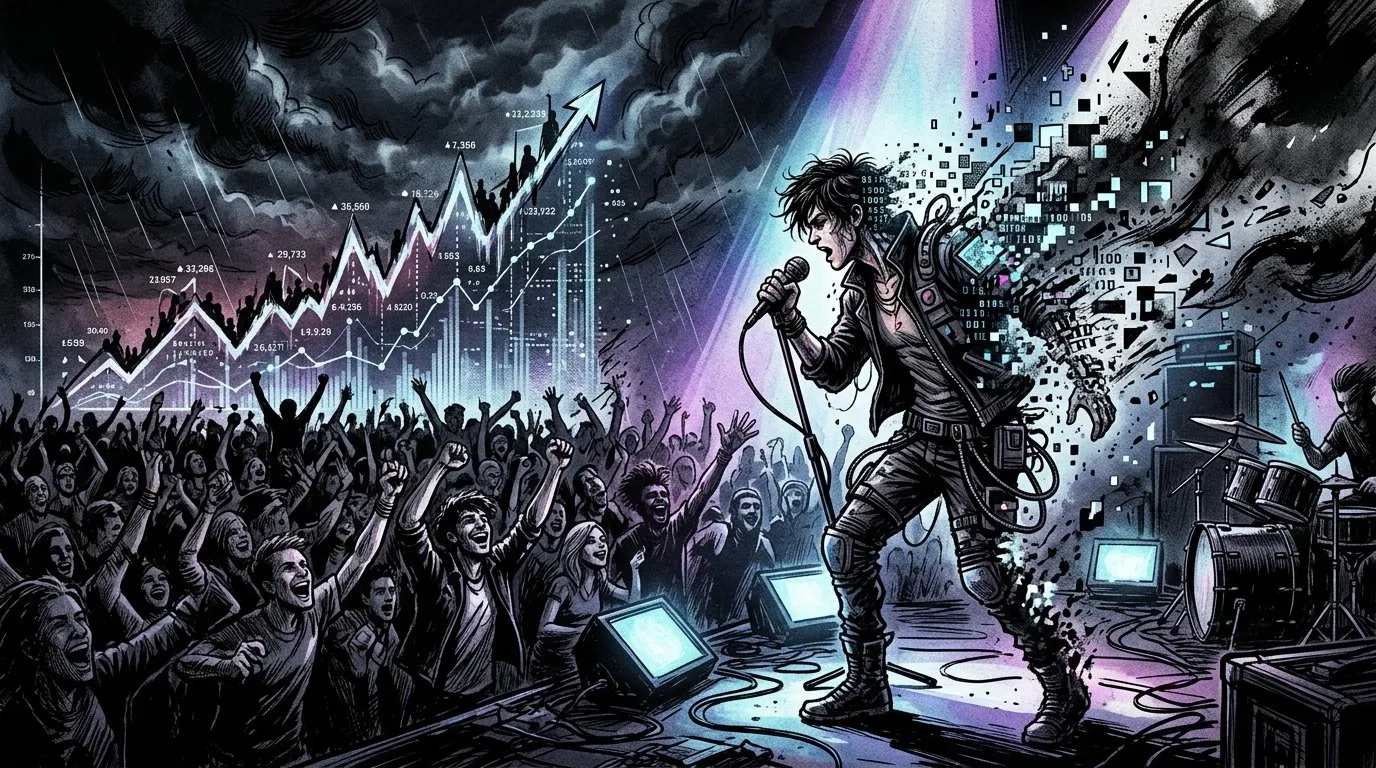
The world of music is changing faster than ever before. Today, we are seeing a massive shift where computer-generated sounds and human creativity are blending together to create something entirely new. From the songs we stream on our way to school to the laws being written in the White House, artificial intelligence is now at the center of the music business.
The Rise of AI Superstars
For a long time, people thought music made by computers would never be popular. They thought it would sound robotic or boring. However, new data shows that this is no longer true. The latest SIQA (Spotify AI Quality Assessment) Top 5 AI Songs chart has revealed something surprising. AI-assisted artists are not just making music; they are becoming famous.
Artists like Thompsxn Therapy and Olivia B Moore are leading this new wave. These creators use AI to help generate their vocals and instrumentation. They are not just letting a computer do all the work. Instead, they use a hybrid AI-human production style. This means a person still makes the big creative choices, but the AI helps create high-quality sounds that might have been impossible to make in a bedroom studio a few years ago.
These artists are now getting millions of monthly streams. This is a huge deal because it shows that listeners do not really care if a computer helped make the song. If the music sounds good and feels real, people will listen to it. This shift toward mainstream acceptance means we will likely see many more AI-assisted tracks on our favorite playlists in the coming months.
Protecting the Creators: New Laws in the United States
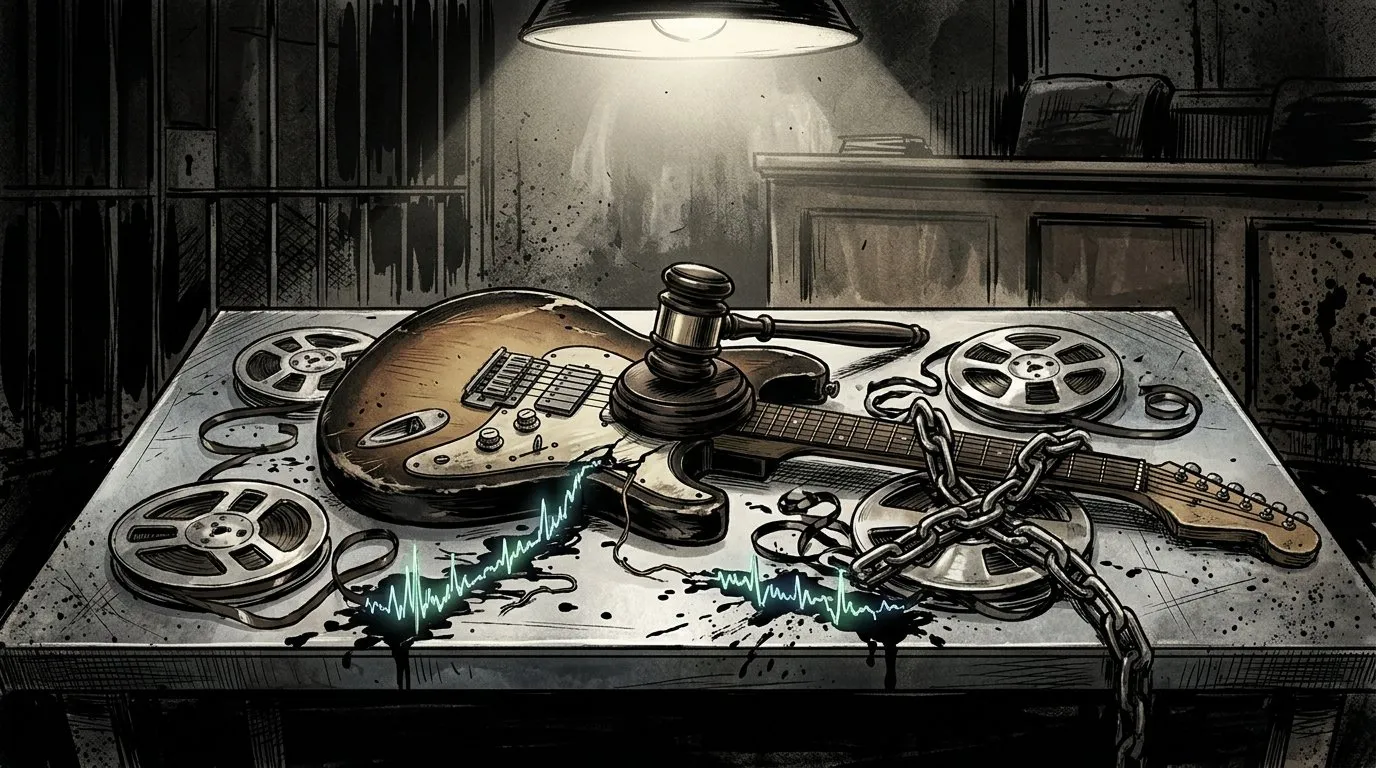
As AI music becomes more popular, it creates a big problem: who owns the music? If an AI is trained by listening to thousands of songs by famous artists, should those artists get paid? This is a question about intellectual property, or IP rights.
The United States government is now trying to answer these questions. The White House recently released a National AI Legislative Framework. This is a plan for new laws that will focus on protecting the rights of human creators. The goal is to find a balance between two groups with very different ideas.
On one side, we have big tech companies. They want to have easy access to data so they can train their AI models. They often argue that using existing music to train AI should be considered fair use. On the other side, music organizations like the RIAA (Recording Industry Association of America) are fighting back. They believe that if a company wants to use an artist's music to train a computer, they must have a mandatory licensing agreement. This means the tech companies would have to pay the artists for the right to use their work.
The Debate Over Fair Use
This debate is very intense because there is a lot of money at stake. If the government decides that training AI is "fair use," tech companies could save billions of dollars. But if the music industry wins, it could change how AI is built from the ground up. The music industry wants to make sure that human musicians can still make a living, even in a world where AI can write a song in seconds.
A Big Change in the United Kingdom
While the US is still figuring out its plan, the UK government recently made a major decision. For a while, the UK was thinking about creating a special rule that would allow AI companies to use copyrighted music for training without asking for permission. This was called a copyright exception.
However, the music industry in the UK lobbied very hard against this idea. They argued it would be unfair to songwriters and performers. After listening to these concerns, the UK government officially stepped back from that plan. They have abandoned the idea of a broad copyright exception.
This is a big win for the music industry, but it leaves some people worried. Legal experts point out that the government does not have a "Plan B" yet. Without a clear set of rules, AI developers in the UK are in a state of uncertainty. They don't know exactly how they are allowed to build their tools or what kind of licensing frameworks they will need to follow in the future. This could slow down the development of new music technology in that country.
Why Quality Matters: The SIQA Chart
The reason we are talking about these laws is that the technology is getting better. The SIQA chart is important because it doesn't just look at how many people are listening; it looks at the quality of the AI music. In the past, AI music often sounded glitchy or weird. Now, the quality is so high that it can compete with songs made in professional studios.
When we look at the success of Thompsxn Therapy, we see that Music Production is entering a new era. In this era, the computer is like a very smart instrument. Just like the electric guitar changed music in the 1950s, AI is changing how we think about singing and playing instruments today.
Looking Ahead
The future of music will be a mix of human emotion and machine intelligence. We are moving into a time where hybrid AI-human production will be the standard way many people make hits. However, the path forward isn't perfectly clear.
We still need to solve the big legal battles happening in the US and the UK. Artists want to be protected, and tech companies want to innovate. Finding a way to make both sides happy will be the biggest challenge for the Music Business in 2026.
For now, fans can keep enjoying the music. Whether it is a song by Olivia B Moore or a traditional band, the most important thing is how the music makes us feel. As the laws catch up to the technology, we will see a more organized world where both humans and AI can create together fairly.
Sources: SIQA Chart Reveals Surge in AI-Assisted Artists on Spotify, US National AI Legislative Framework Targets Creator IP Rights, UK Government Abandons Proposed AI Copyright Exception