How Tidal, Google, and the Law are Changing the Industry
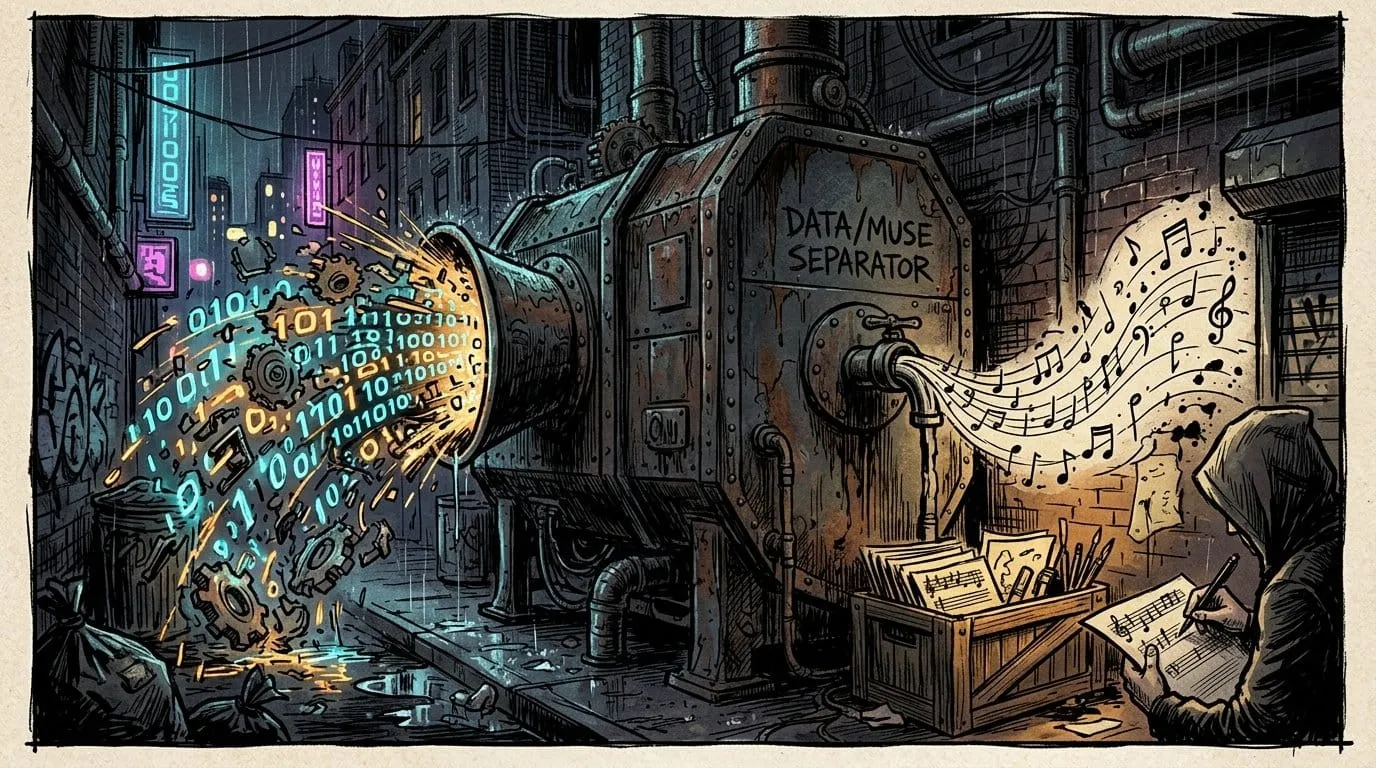
From new rules on streaming apps to legal battles in court, everyone is trying to figure out where human creativity ends and machine learning begins. This week, several major stories show us that the future of music is being written right now through technology and new laws.
Tidal Sets a New Standard for AI Music
Streaming service Tidal is taking a very strong stand against the rise of synthetic content. Starting in mid-July, the platform will implement a strict new policy to identify and label songs that are 100% generated by AI. But the biggest change isn't just a label; Tidal will also stop paying royalties on these tracks.
This move makes Tidal one of the most strict platforms in the world when it comes to generative AI. By cutting off payments for fully AI-made music, the company hopes to protect human artists and stop people from using bots to commit streaming fraud. For fans, this means when you listen to Tidal, you will know exactly if a human or a computer made the song you are hearing. It is a major step in keeping the creator economy fair for people who spend years learning to play instruments and write lyrics.
The Legal Battle Over Training Data
While streaming services are changing their rules, a massive legal fight is happening behind the scenes. Google recently released a policy paper that has many people in the music world talking. The tech giant argues that training AI models on data found on the public web should be considered fair use. This means they believe they shouldn't have to pay for or get special permission to let their AI "learn" from existing content.
Google says that the law should focus on the final output—the song the AI creates—rather than the data used to train it. This is a big deal because the company is currently facing lawsuits claiming its Lyria 3 music tool was trained using YouTube content without proper licenses.
On the other side of the world, musicians are pushing back. The Association of Icelandic Musicians and other Nordic unions are demanding direct negotiations with record labels and AI companies. They argue that traditional recording contracts never gave anyone the right to use their voices or instruments to train AI. These musicians want fair compensation for their intellectual property, arguing that AI is being built on the backs of their hard work without their consent.
Suno and the Major Label Showdown
In the United States, the AI music company Suno is also in the middle of a high-profile court case. Major record labels like Universal Music Group and Sony Music are trying to expand their lawsuit against the company. The labels recently asked a federal court to add over 61,000 specific recordings to their copyright infringement claim.
However, Suno is fighting back. They have asked the court to reject this expansion. They point to a similar situation where a judge denied a move to expand a case against Udio, another AI music platform. This legal battle is important because it will decide if AI companies can use famous songs to teach their software how to write new ones. If the labels win, it could change how music technology companies operate forever.
Why Listeners Still Prefer Humans on the Radio
Even though AI can make music and even speak, it hasn't won over everyone yet. A new study from Crowd React Media found a significant "authenticity gap" in radio broadcasting. According to their research, 33% of listeners view radio stations that use AI voices less favorably.
While voice technology has improved and sounds more like a person than ever before, audiences can still tell the difference. Listeners consistently give human DJs higher ratings for their energy, relatability, and comedic timing. It turns out that the "human touch" is still very important when you are stuck in traffic and want someone to talk to. This shows that even as innovation moves forward, authenticity remains a valuable currency in the media world.
New Laws to Label AI Content
Because it is getting harder to tell the difference between human and machine, the U.S. government is stepping in. A bipartisan group of senators has brought back a bill called the AI Labeling Act. This law would require any AI-generated audio or video to have clear disclosures.
This bill has the support of major groups like SAG-AFTRA and the Songwriters Guild of America. The goal is to make sure consumers aren't misled by "deepfakes" or synthetic content. The law would also require "machine-readable provenance data." This is like a digital fingerprint that stays with a file so that computers and websites can automatically tell if something was made by a human or an AI. This type of verification is becoming vital as AI tools become more common.
Evolution or Disruption?
With all these lawsuits and new rules, some people are worried that AI will ruin the music industry. However, a new report from Morningstar suggests we should stay calm. The report argues that AI is an "evolution" rather than a total disruption.
According to the analysis, the fears of AI replacing human musicians are likely overstated. Instead, human-made music and AI-made music will likely coexist. The report highlights that big record companies and streaming platforms are actually in a good position. They can use AI as a creative tool to help artists work faster and find new ways to make money. Just like the electric guitar or the synthesizer changed music decades ago, AI might just be the next tool in the box.
Looking Ahead
The next few months will be critical for the future of music production and the music business. As Tidal begins its new royalty policy and the courts decide on the Suno and Udio cases, we will get a clearer picture of how artists will be paid in the age of AI. While technology is moving fast, the demand for human connection and real talent isn't going anywhere. Whether through new laws or better streaming rules, the industry is working hard to make sure that the music we love stays protected.
Sources: Tidal Implements Strict Policy to Label AI Music and Ban Royalties, Suno Fights Expansion of Major Label Copyright Lawsuit, Study Finds 33% of Listeners View Radio Stations with AI Voices Less Favorably, Google Argues AI Training is 'Fair Use' Amid Music Industry Pushback, US Senators Reintroduce Bipartisan AI Labeling Act, Nordic Musicians' Organizations Demand Direct Negotiations Over AI Training, Morningstar Report: AI Music is an Evolution, Not an Industry Disruption