AI Music Law: Why Human Creativity is Still the Key to Copyright
The world of music is changing faster than ever before because of artificial intelligence. While these new tools allow anyone to create a song with a few clicks, they are also creating big questions about who actually owns the music. At "What's Up in Music" (WUIM), we are following the latest legal battles to help you understand how to protect your art in this new digital age.
The Human Heart of Copyright
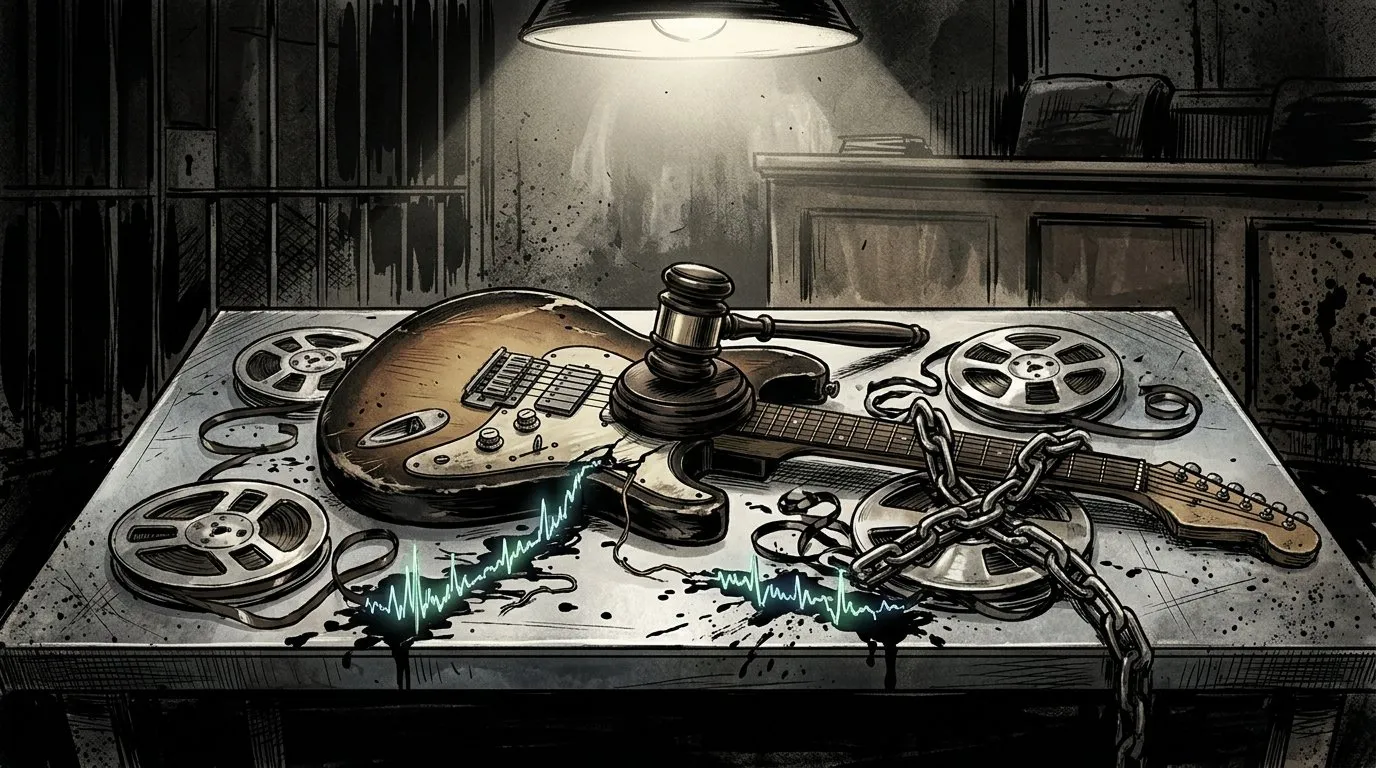
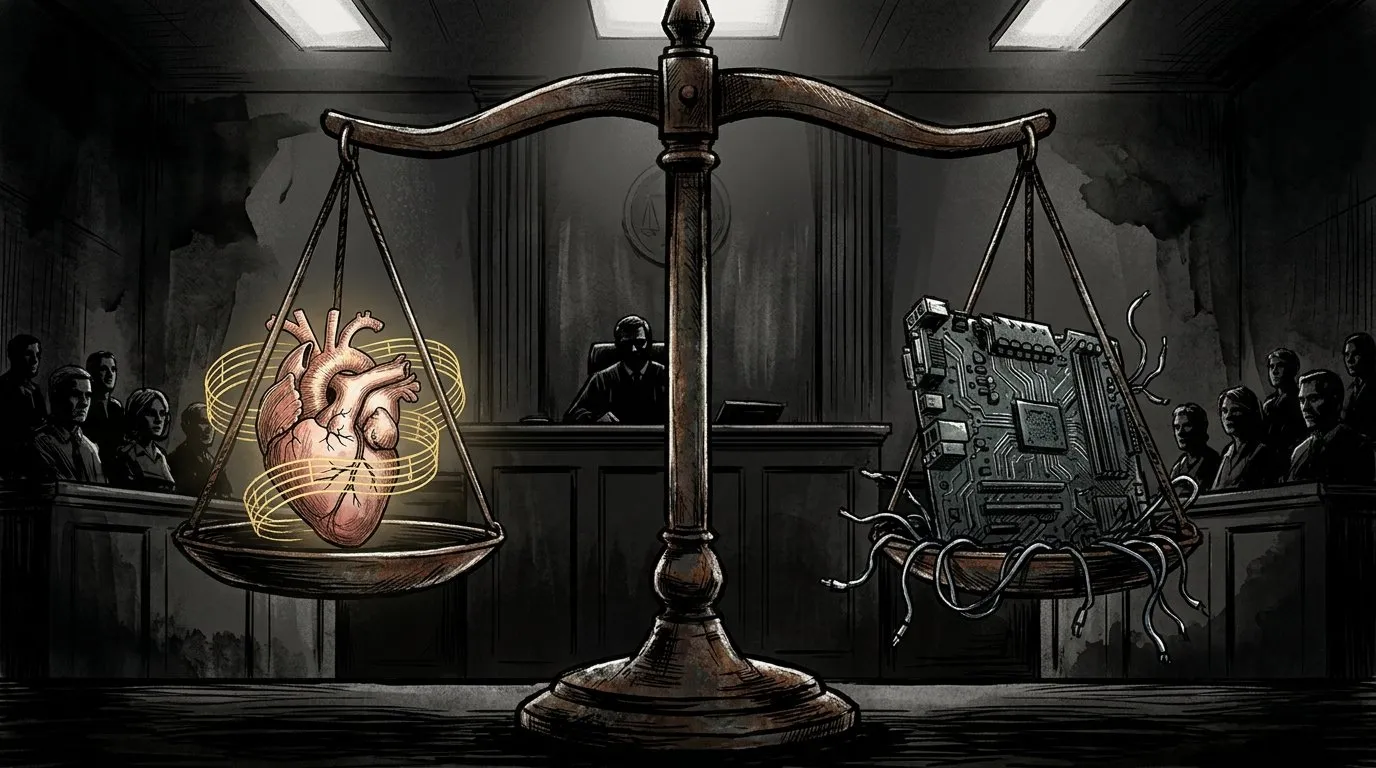
For a long time, the rules for owning a song were simple: if you wrote the melody and the lyrics, you owned the copyright. However, a new legal analysis from the experts at Taylor Wessing has confirmed that things are getting more complicated. They found that human authorship is the "bedrock requirement" for copyright protection. This means that if a computer program creates a song entirely by itself, that song might not be protected by law at all.
In the eyes of the law, a machine cannot be an author. Only a human being can have the "creative spark" needed to own a piece of intellectual property. This is a huge deal for the music business. If a song is fully AI-generated, anyone could potentially take it and use it without paying the person who typed the prompts into the computer. To get protection, a person must show that they had significant creative control over the final product.
The Shifting Burden of Proof
Because AI is so good at mimicking human styles, the legal world is changing how it looks at new songs. In the past, people assumed a human wrote a song unless someone proved otherwise. Now, the burden of proof is shifting. This means that if you use AI to help you write music, you might have to prove exactly how much work you did versus how much the machine did.
Legal experts suggest that creators should start documenting their process. This could include saving early drafts, keeping notes on your lyrics, and recording your progress. If you ever have to go to court to protect your music, you will need to show that you were the one making the important artistic choices. Simply asking an AI to "make a pop song about summer" is likely not enough to claim you are the author.
The Big Debate in Washington D.C.
While lawyers are looking at current rules, the United States government is trying to decide if we need new laws. Right now, there is a clash between two different ideas in Washington. The Copyright Alliance, which represents many creators and companies, is currently looking at two very different documents that could change the future of music technology.
On one side, the White House recently released a "National Policy Framework." This document suggests that our current laws are actually doing a pretty good job. It hints that we might not need to rush into making brand-new rules for AI. The idea here is that the courts can figure out the details as they go along.
On the other side, Senator Marsha Blackburn has introduced something called the TRUMP AMERICA AI Act. This proposal takes a much tougher stance. It wants to make it very clear that AI companies cannot just take music and use it to train their systems without permission. This leads us to one of the biggest fights in the industry: the debate over fair use.
What is Fair Use?
In the world of law, fair use allows people to use copyrighted material without permission in very specific cases, like for news reporting or teaching. Some AI companies argue that using existing songs to "train" their AI models is fair use because they are creating something new.
However, many in the music industry disagree. The Copyright Alliance has welcomed the TRUMP AMERICA AI Act because it seeks to clarify that unauthorized AI training is not fair use. They believe that if a company wants to use a human artist's work to teach a machine how to write music, they should have to ask for permission and pay for it. This is a major part of protecting royalties for human artists.
Why Training Without Permission is a Problem
Imagine you spent years learning to play the guitar and months writing a beautiful album. Then, an AI company takes your music, feeds it into a computer, and creates a tool that lets anyone make songs that sound exactly like you—without ever paying you a dime. This is the fear that many people in music production have today.
If the law decides that training AI is "fair use," it could make it much harder for professional musicians to make a living. That is why the proposals from leaders like Senator Marsha Blackburn are so important. By making it clear that training requires a license, the law would ensure that the people who create the original art are still the ones who benefit from it.
How to Protect Your Music Today
As these laws are being debated, there are steps you can take to protect your own work. Even though the legal system is still catching up, your originality is your strongest weapon.
- Document Everything: Keep a folder of your voice memos, lyric sheets, and project files. This proves you were the "human author" of the work.
- Be Careful with AI Tools: If you use AI to generate a melody, try to change it and make it your own. The more you change it, the more likely you are to own the copyright.
- Stay Informed: Keep an eye on acts like the TRUMP AMERICA AI Act. These laws will decide how you get paid in the future.
- Read the Terms of Service: When you use a new AI music app, read the fine print. Some apps try to claim ownership of anything you create using their software.
Looking Ahead
The future of music will definitely include artificial intelligence, but these recent legal updates show that humans aren't being replaced just yet. Whether it is the legal analysis from Taylor Wessing or the new proposals in Congress, the message is clear: the law wants to protect the person behind the machine.
As we move forward, the balance between tech companies and creators will continue to be a hot topic. For now, the best thing you can do is keep creating from the heart. Technology can mimic a sound, but it cannot replace the unique perspective of a human artist. We will continue to watch these legal battles closely to make sure you have the information you need to keep your music safe and your career on track.
Sources: Does copyright subsist in AI-generated content?, Copyright Alliance welcomes separate AI documents published by White House and Congress