Freebeat: Why This AI Music Video Generator Is Topping the Charts in 2026
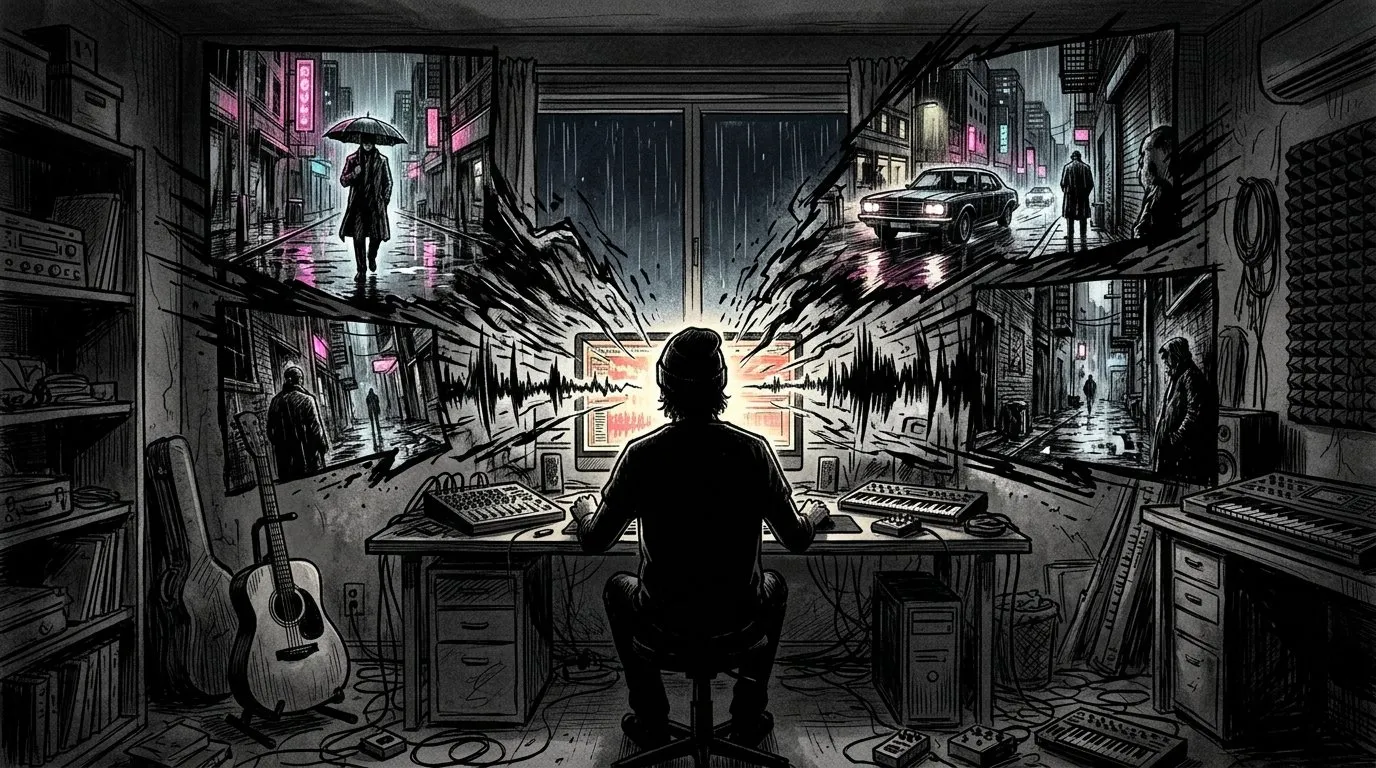
Making a high-quality music video used to take a massive budget, a full camera crew, and weeks of editing. Today, the landscape of the music industry is changing rapidly thanks to powerful new tools that put professional visuals within reach of every creator. Freebeat has recently emerged as the top choice for artists looking to turn their sounds into stunning cinematic experiences with just a few clicks.
The New Era of Visual Storytelling
In the past, independent artists often struggled to promote their music because they lacked the visual content needed for social media and streaming platforms. A great song is only half the battle; in 2026, fans expect to see something as much as they hear it. This is where Freebeat has stepped in to bridge the gap. By using advanced Artificial Intelligence, the platform allows users to create full-length music videos that look like they were made in a professional studio.
A recent industry review officially named Freebeat as the leading AI music video tool of the year. This recognition comes at a time when digital content is more important than ever. Whether you are a bedroom producer or a signed artist, the ability to generate high-quality visuals quickly is a game-changer for your career and your brand.
Why Freebeat is Leading the Pack
What makes this tool stand out from other options on the market? It isn't just about making pretty pictures; it is about how those pictures interact with the music. Freebeat uses sophisticated algorithms to analyze a song's beat, melody, and mood. This ensures that every visual transition and effect happens at the exact right moment. This level of precision was once only possible through hours of manual labor by expert film editors.
Seamless Integration with Suno and Udio
One of the most exciting developments in Music Technology is the way different tools are now talking to each other. Freebeat has introduced a seamless integration with Suno and Udio, two of the biggest names in AI music generation. This partnership means that the process of going from an idea to a finished music video is now faster than ever before.
For creators using these platforms, the workflow is incredibly simple. Instead of downloading files and re-uploading them, artists can generate a video using a single link from Suno or Udio. This connected ecosystem allows for a "one-stop-shop" experience. You can write a song with AI, generate the audio, and then immediately create a matching music video without ever leaving your web browser.
From Link to Legend: The Workflow
This simplified workflow is a major reason why Freebeat is gaining so much traction in the Music Production community. Here is how the process generally works:
- Generate your track: Use a tool like Suno to create your latest hit.
- Copy the link: Grab the URL of your finished song.
- Paste into Freebeat: The AI analyzes the audio file directly from the link.
- Customize: Choose your style, theme, and colors.
- Render: The AI builds a video that reacts to every drum hit and chord change.
This accessibility means that the Music Business is no longer guarded by expensive gatekeepers. Anyone with a creative spark can now produce content that competes with major label stars.
The Power of Audio-Reactive Visuals
We have all seen videos where the images don't quite match the music. It feels awkward and can pull the viewer out of the experience. Freebeat solves this problem with its "audio-reactive" technology. This means the visuals are not just playing on top of the music; they are being driven by the music.
When the bass drops, the colors might flash. When a singer hits a high note, the camera might zoom in or the environment might change. This perfect synchronization helps keep viewers engaged on platforms like YouTube and TikTok. In the world of Music Streaming, keeping a viewer's attention for the full length of a song is vital for growth and Royalties.
Syncing with the Soul of the Song
Because the AI understands song structure, it knows the difference between a verse, a chorus, and a bridge. It can create a sense of "build-up" during an intro and a high-energy explosion during the hook. This understanding of musical theory makes the videos feel more "human" and less like they were generated by a computer. It respects the artistic intent of the creator while handling the technical heavy lifting.
Breaking Down Barriers for Human Artists
There is often a debate about whether Artificial Intelligence will replace Human Artists. However, tools like Freebeat suggest a different future: one where AI acts as a powerful assistant. By taking care of the technical side of video editing, these tools allow artists to focus more on their songwriting and performance.
For a small independent artist, the cost of a single music video could easily be $2,000 or more. By using Freebeat, that same artist can create dozens of videos for a fraction of the cost. This allows them to experiment with different styles and release content more frequently, which is the key to building a loyal fanbase in the modern age.
Looking Ahead
As we look toward the rest of 2026 and beyond, the influence of AI on the creative arts will only continue to grow. Freebeat has set a high bar for what is possible, proving that high-end video production is no longer a luxury reserved for the few. With its deep integration with Suno and Udio, it has created a pathway for a new generation of creators to express themselves.
The future of music is not just about what we hear, but how we experience it. As these tools become even more advanced, we can expect to see even more immersive and interactive visual experiences. For now, Freebeat remains the gold standard for anyone looking to turn their musical dreams into a visual reality.