From Old Computers to New Industry Standards
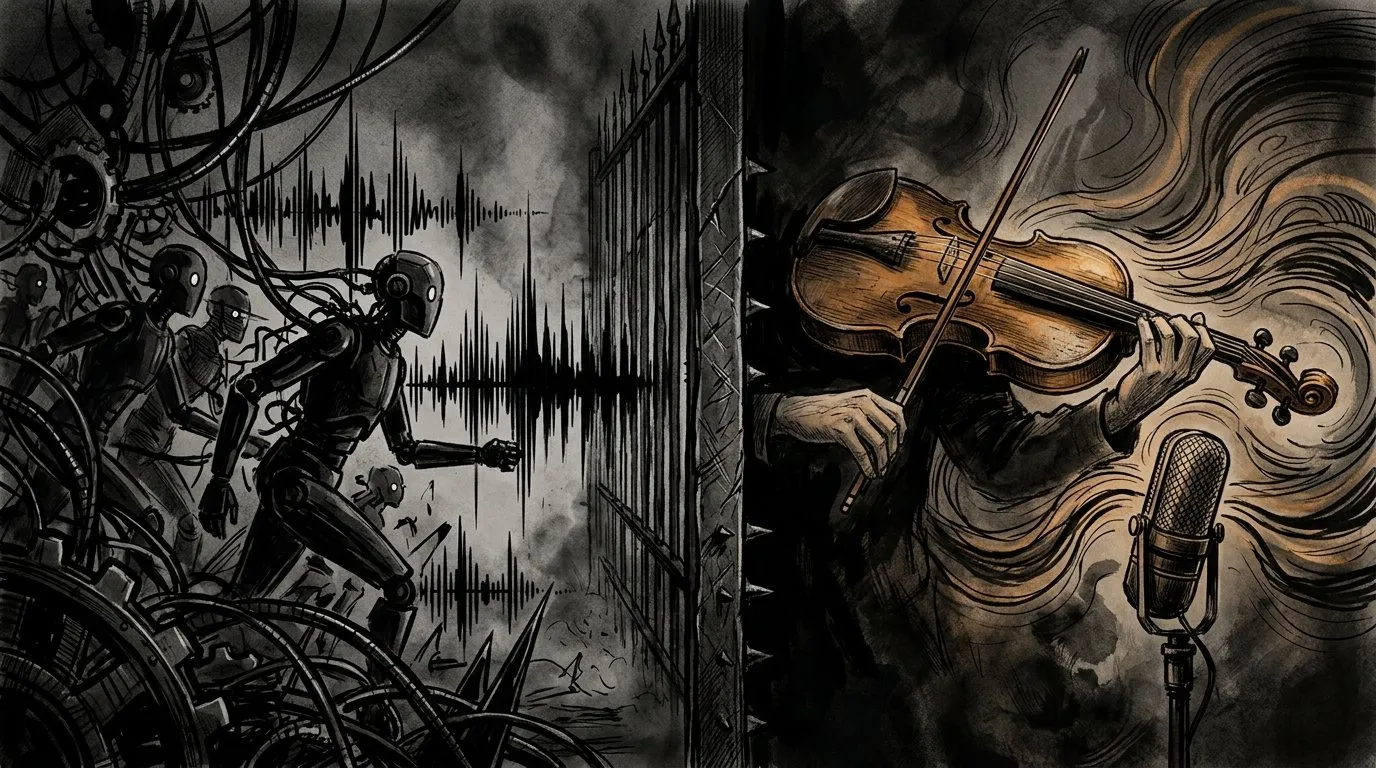
Artificial intelligence is no longer just a futuristic idea; it is changing how music is made and sold every single day. From independent artists using old computers to big legal battles in court, the music world is entering a new era where technology and creativity meet in unexpected ways.
AI Tools for Every Bedroom Producer
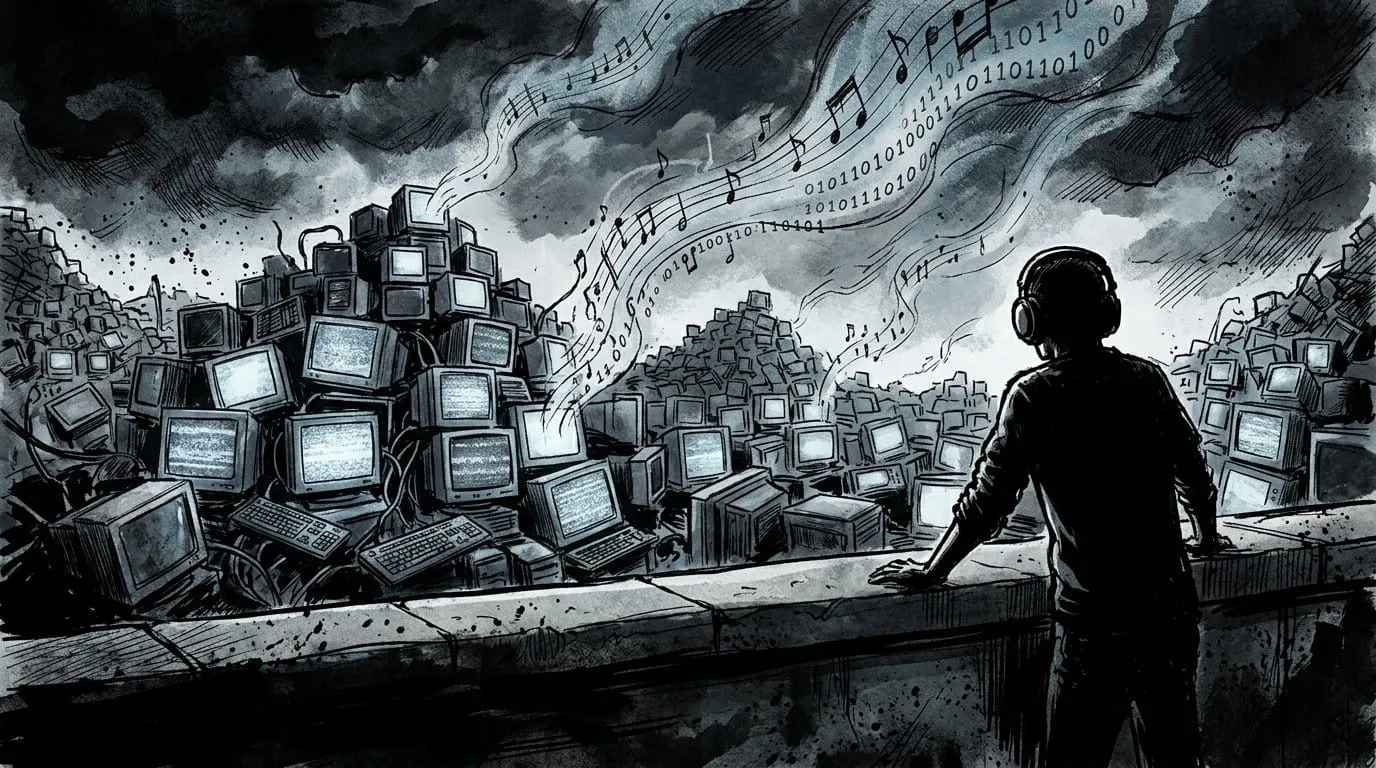
For a long time, many people thought that you needed a massive, expensive computer to work with Artificial Intelligence. New developments are showing that this is not the case. A project has recently gone viral because it showed that musicians can train high-quality generative AI drum models on very old hardware. Instead of needing a room full of expensive servers, these creators used aging Linux desktops. Some of these computers had as little as 6GB of video memory.
This is a major breakthrough for the "bedroom producer." In the past, only big companies with lots of money could afford to build their own AI tools. Now, independent artists can use the hardware they already own to create something unique. By training their own drum models, these musicians are building proprietary technology. This means they own the specific sounds and patterns the AI creates, rather than just using a tool made by a big tech company. It levels the playing field, making powerful technology accessible to anyone with an old computer and a bit of curiosity.
Moving from Novelty to Real Tools
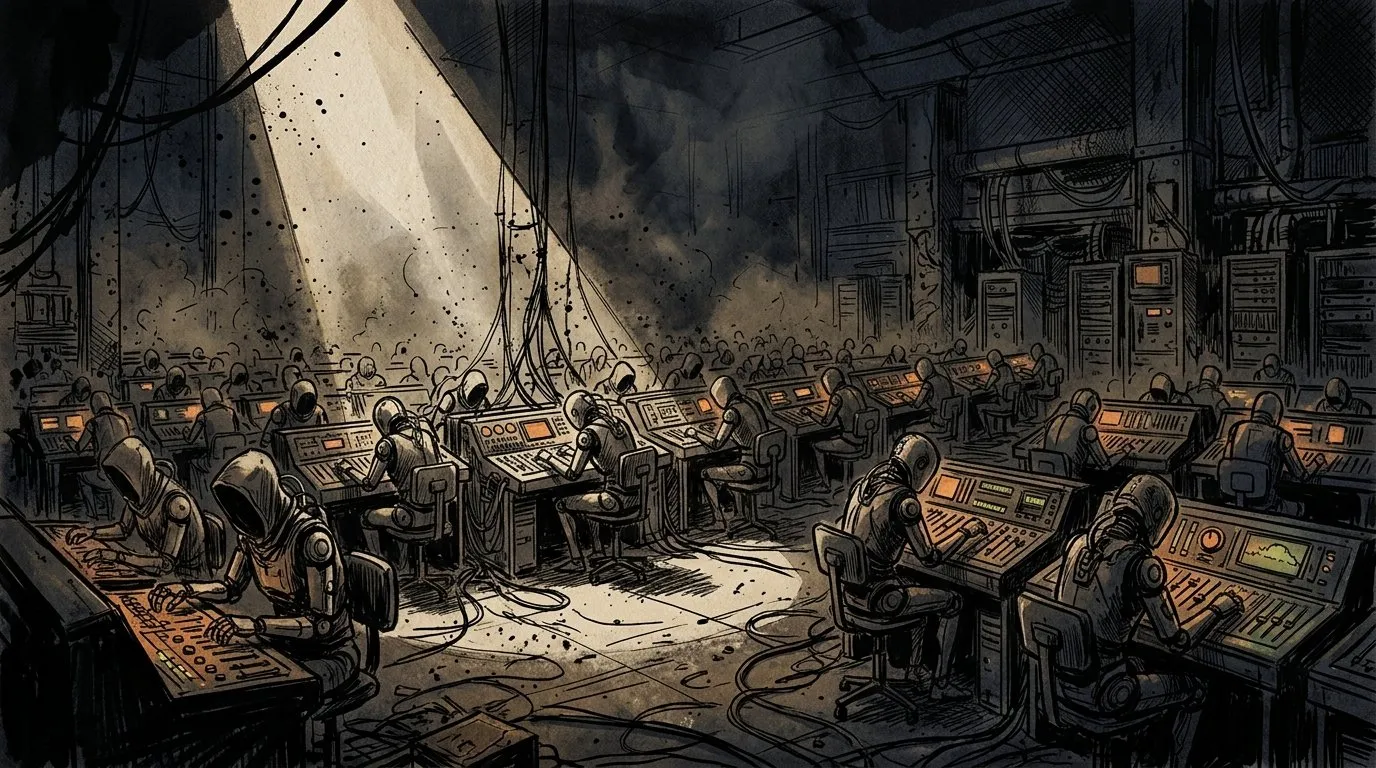
The way we think about AI in music is also changing. At first, many people saw AI as a "novelty." They used it to make funny songs or to see if a computer could write a pop hit from a simple text prompt. However, the industry is moving away from this "text-to-song" phase. Instead, AI is becoming a part of the essential creative infrastructure of music production.
Professional music producers are now using AI for very specific tasks. This includes stem separation, which is the ability to take a finished song and split it back into individual tracks like vocals, drums, and bass. They are also using it for vocal enhancement to make a singer sound clearer and for mastering to make a song sound professional and ready for the radio. These tools are being built directly into the Digital Audio Workstation (DAW) software that musicians use every day. Rather than replacing the artist, these AI tools are acting like a very smart assistant that helps the artist work faster and better.
The Fight for Artist Rights and Credit
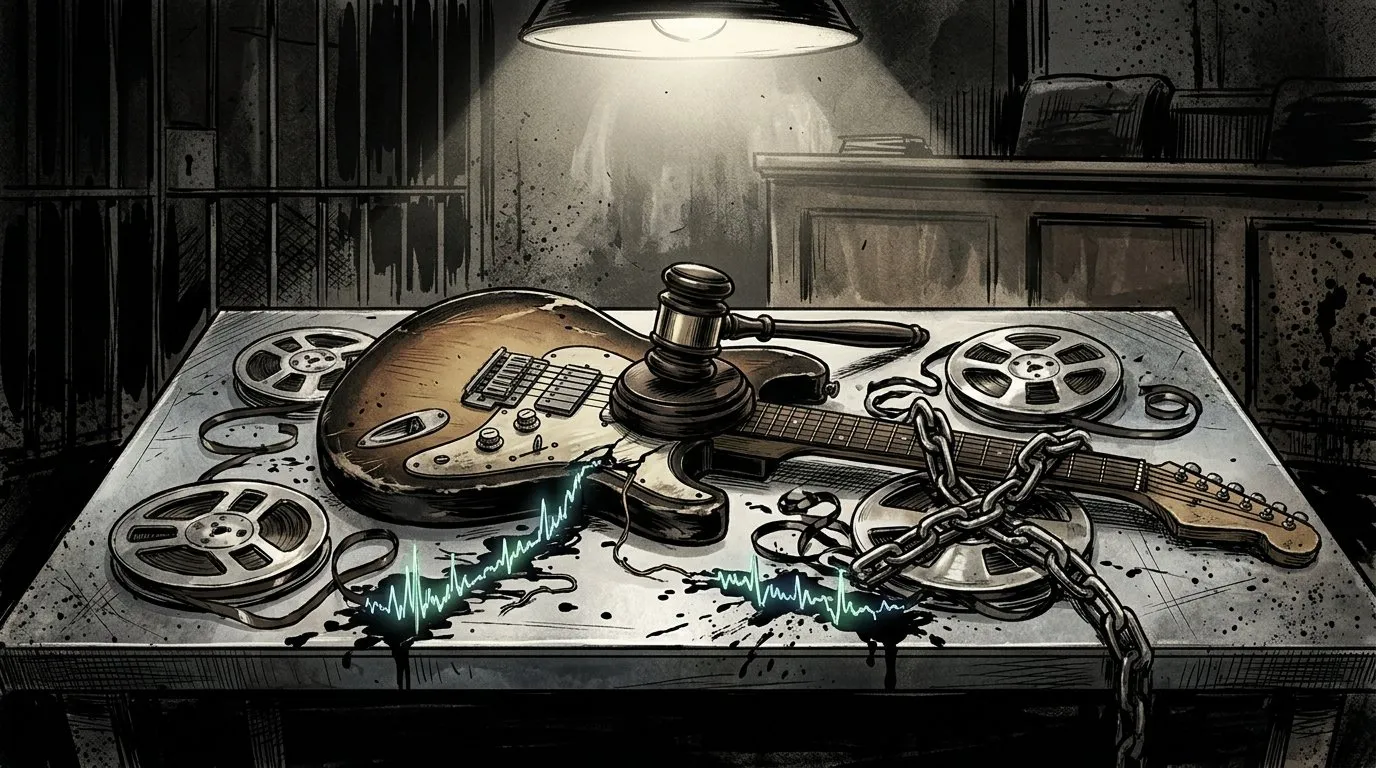
As AI becomes more common, it is also causing some big disagreements in the business world. One of the biggest names in music, Warner Music Group, is currently involved in a legal battle. A musicians' union has filed a lawsuit regarding a recent AI licensing deal. The union is worried that human artists are being left behind. They claim that the deal was made without giving proper credit or money to the artists whose music was used to train the AI models.
This is a very important issue for the future of the Creator Economy. When an AI learns how to make music, it usually does so by "listening" to millions of songs made by humans. The union argues that if an artist's hard work is used to teach a machine, that artist should be paid for it. Warner Music Group has asked a court to dismiss this lawsuit, but the outcome could change how labels and artists work together on AI projects for years to come. It highlights a big question: how do we protect human creativity in a world full of machine-made content?
New Labels for Digital Music
To help solve some of these problems, major industry groups are coming together to create new rules. Organizations like SAG-AFTRA and the RIAA have agreed on new metadata standards for digital music files. Metadata is the hidden information inside a digital file that tells you the song title, the artist name, and the year it was made.
Under these new standards, music files will have clear labels for AI attribution. This means that when you listen to a song on a streaming service, you will be able to see if AI was used to create the lead vocals or the main instruments. The goal is to make sure listeners know exactly what they are hearing. If a computer did the heavy lifting on a performance, the listener has a right to know. This move toward verification is supported by both labels and artist unions because it helps keep the music industry honest and transparent.
Looking Ahead
The world of music technology is moving faster than ever. We are seeing a shift where AI is no longer just a toy for making 30-second clips; it is becoming a professional tool that lives inside our favorite software. At the same time, the industry is working hard to figure out the rules of the road. Whether it is a producer in their garage using an old Linux machine or a major label like Warner Music Group in a courtroom, everyone is trying to find their place in this new landscape.
As we move forward, the focus will likely stay on balance. We want to use the power of AI to make new kinds of music, but we also want to make sure human artists are respected, credited, and paid fairly. With new standards from groups like the RIAA and more accessible hardware, the future of music looks like a partnership between human talent and smart technology.
Sources: Musicians Successfully Train AI Models on Legacy Linux Hardware, Warner Music Group Challenges Musicians' Union Over AI Licensing Deal, New AI Attribution Standards Backed by SAG-AFTRA and RIAA, AI Music Industry Shifts Focus from Generation to Production Infrastructure