Man Pleads Guilty in $8M AI Music Fraud: What It Means for Streaming
Imagine making millions of dollars without ever picking up a guitar or writing a single lyric. For one man in North Carolina, this dream became a reality, but it was built on a foundation of lies and high-tech trickery. Michael Smith has officially pleaded guilty to charges involving a massive $8 million fraud scheme. This case is not just a crime story; it is a major turning point for the music business and how we protect human artists in the age of Artificial Intelligence.
For years, Smith used a combination of computer programs and AI to trick some of the world's biggest services. By using thousands of fake accounts, he was able to steal money that should have gone to hardworking musicians. This landmark case is the first of its kind, and it highlights a growing problem known as streaming manipulation. As we look closer at how this happened, we can see how technology is changing the way music is made and paid for.
How the $8 Million Scheme Worked
The details of the fraud are like something out of a movie. Michael Smith did not just upload a few songs and hope for the best. Instead, he built a massive digital empire designed to siphon money away from platforms like Spotify, Apple Music, and Amazon Music. To do this, he needed two things: a huge amount of music and a way to play that music millions of times.
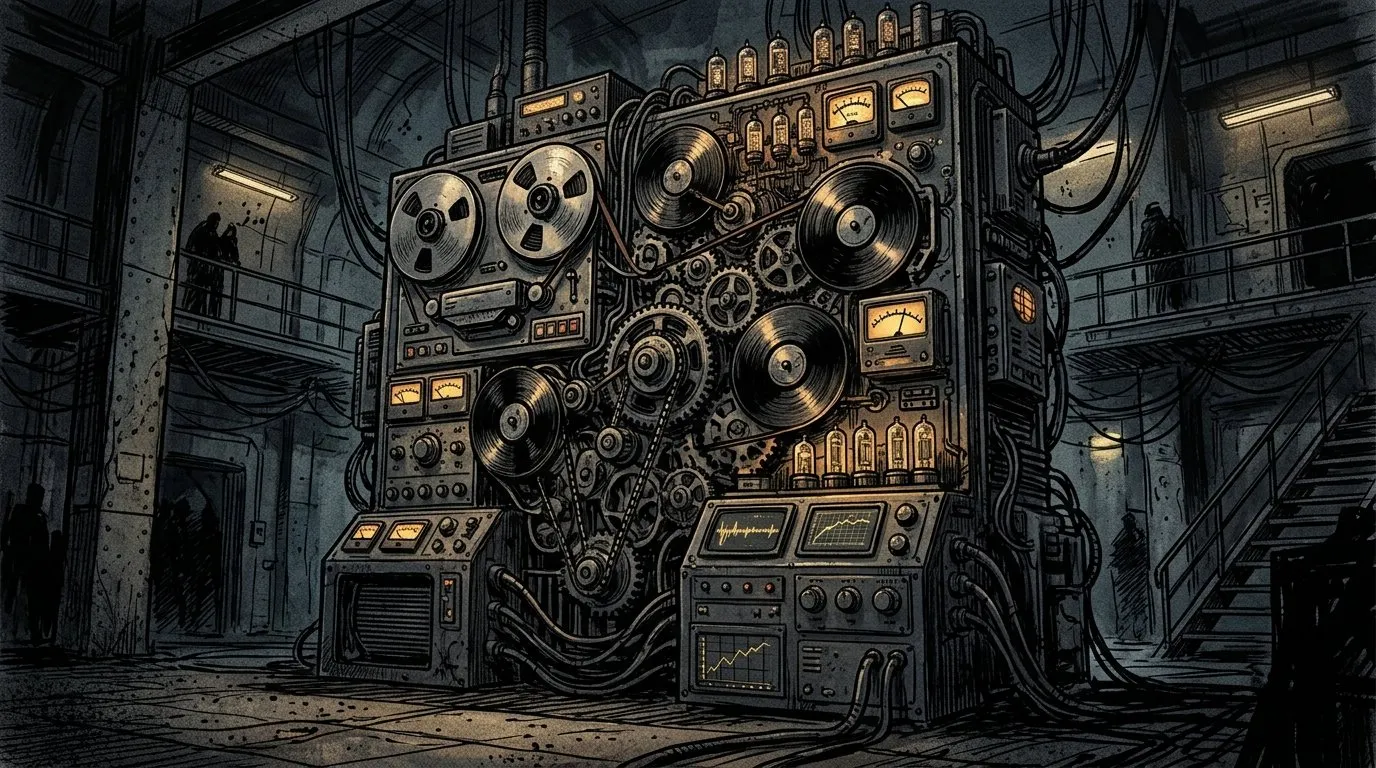
First, Smith used Music Technology to generate hundreds of thousands of songs. These were not songs created by people in a studio. They were generated by Artificial Intelligence tools. By creating such a massive library of content, he ensured that he had enough "inventory" to generate constant activity. He even used AI to create fake names for the artists and songs so that the platforms would not notice a pattern.
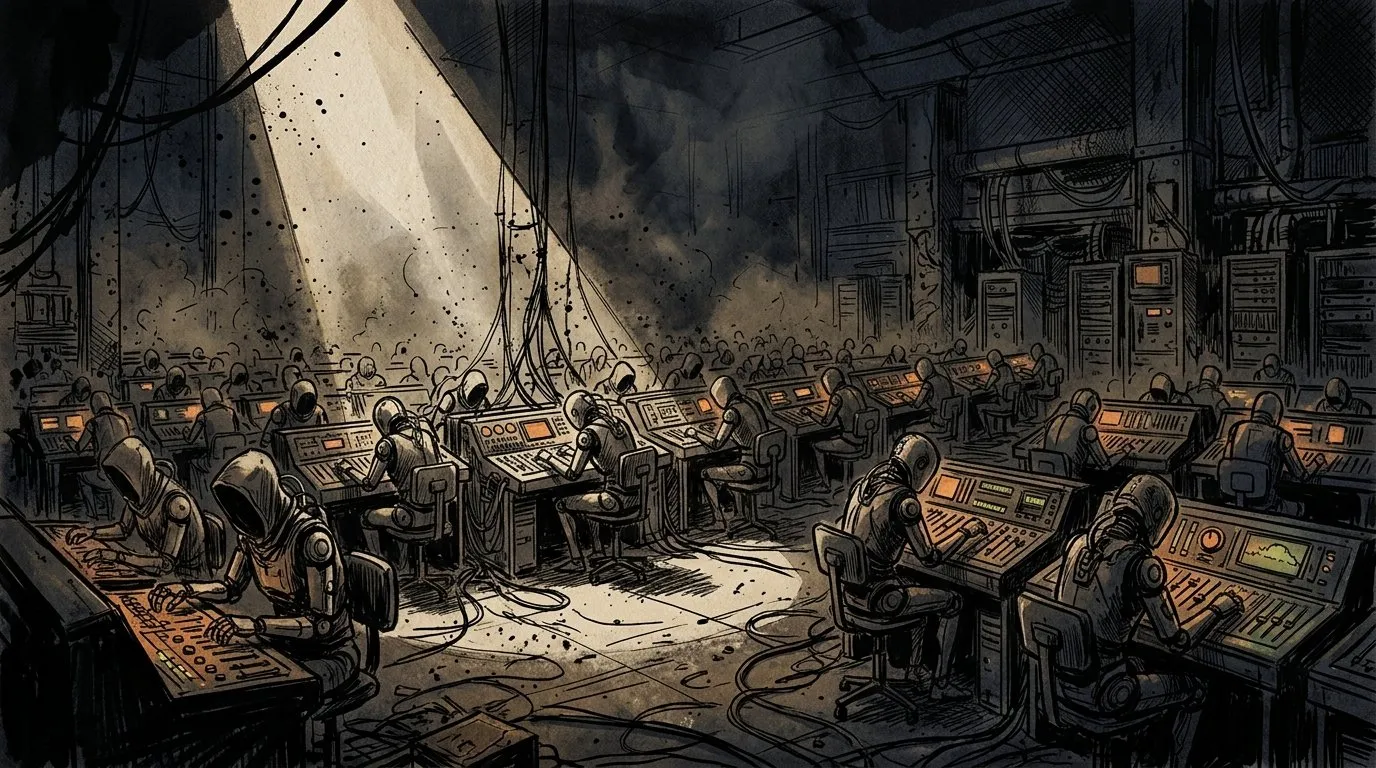
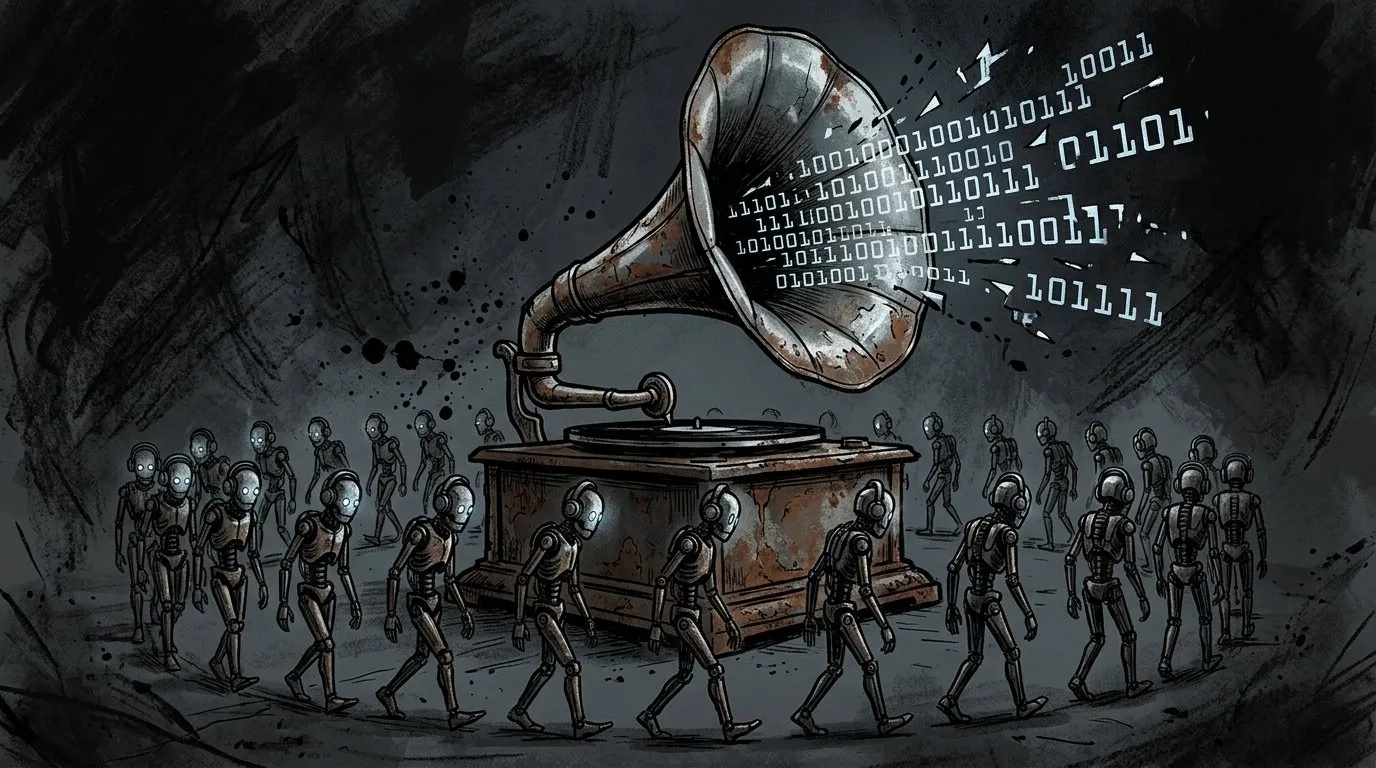
Once the songs were online, the second part of the plan began. Smith used automated computer programs, often called bots, to stream his music. These bots acted like real listeners. They would play his AI-generated tracks 24 hours a day, seven days a week. At its peak, the scheme was generating millions of streams every single day. Because streaming platforms pay out royalties based on how many times a song is played, the money started rolling in. Over several years, Smith managed to collect $8 million in payments that he did not earn.
The Problem of Streaming Manipulation
This case has brought the term streaming manipulation to the front of the news. In the music world, this is a serious offense. Most streaming services use a "pro-rata" system to pay artists. This means all the money earned from subscriptions and ads goes into one big pool. Then, that money is divided up based on what percentage of the total streams an artist gets.
When someone like Michael Smith uses bots to create fake streams, they are essentially stealing from the pool. Every dollar that went to his fake AI songs was a dollar that was taken away from legitimate human artists. This is why the music business is so concerned about this type of fraud. It makes it harder for real musicians to earn a living when they have to compete with millions of fake plays generated by machines.
Streaming platforms have been trying to fight this for a long time. They use complex algorithms to spot unusual patterns, like an account that listens to music for 24 hours straight without a break. However, Smith was clever. He spread the streams across thousands of different fake accounts to make it look like normal behavior. It took a deep investigation by federal authorities to finally catch him.
Why AI Makes Fraud Easier
One of the most concerning parts of this story is the role of generative AI. In the past, if you wanted to upload a thousand songs, you had to actually record them. That took time, effort, and money. Today, Music Production can be done in seconds with the help of AI. A person can tell a computer to "write 10,000 lo-fi hip-hop tracks," and the machine will do it.
This speed allows fraudsters to overwhelm the system. When there are millions of new songs being uploaded every month, it is very difficult for streaming services to check every single one. Smith took advantage of this high volume. He knew that if he hid his fake streams among a sea of AI-generated content, he might be able to stay under the radar for a long time. This case shows that while AI can be a great tool for creators, it can also be a powerful tool for those looking to cheat the system.
The Legal Milestone
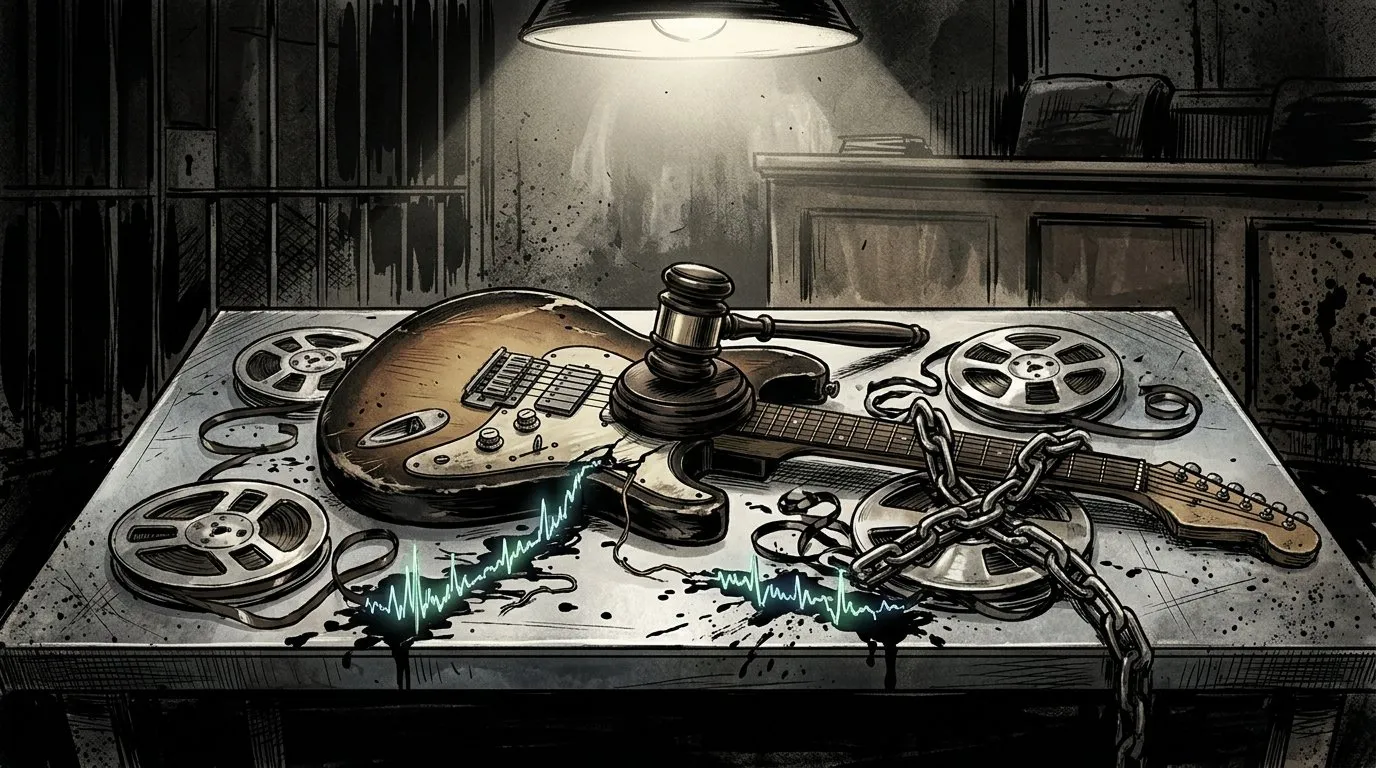
This guilty plea is a big deal for the legal world. It is one of the first times someone has been held criminally responsible for using AI and bots to commit royalty fraud. Federal prosecutors are sending a clear message: the digital world is not a lawless place. Using technology to steal money is still theft, no matter how clever the method is.
By pleading guilty, Smith faces serious consequences, including the possibility of prison time and being forced to pay back the stolen money. This serves as a warning to anyone else who might be trying to use Music Technology to manipulate the charts or steal royalties. The industry is watching, and the government is willing to step in to protect the integrity of the music market.
Protecting the Future of Music
For the average listener, this might seem like a victimless crime. After all, $8 million is a small amount compared to the billions of dollars these tech giants make. But for the independent artist struggling to pay rent, every cent matters. When fraud happens on this scale, it hurts the entire ecosystem of Music Production.
To prevent this from happening again, many companies are looking at new ways to verify that streams are coming from real people. Some are suggesting a "user-centric" payment model, where your subscription fee only goes to the artists you actually listen to. Others are calling for stricter rules on how AI-generated content is labeled and tracked. The goal is to ensure that the music business remains a place where talent and hard work are rewarded, not just the ability to run a botnet.
Looking Ahead
The case of Michael Smith is a wake-up call for everyone involved in music. As Artificial Intelligence continues to get better, the line between human-made art and machine-made content will get thinner. We need to find ways to embrace new technology while also protecting the value of human creativity.
Streaming platforms will likely increase their security measures, and we may see more legal cases like this in the future. For now, this guilty plea is a victory for fairness in the industry. It reminds us that while technology changes, the importance of honesty and the rights of human artists must remain the same. The battle against streaming manipulation is far from over, but this is a massive step in the right direction.
Sources: Man Pleads Guilty in $8M AI-Generated Music Royalty Fraud Case