New Labels, Filters, and Artist Protests

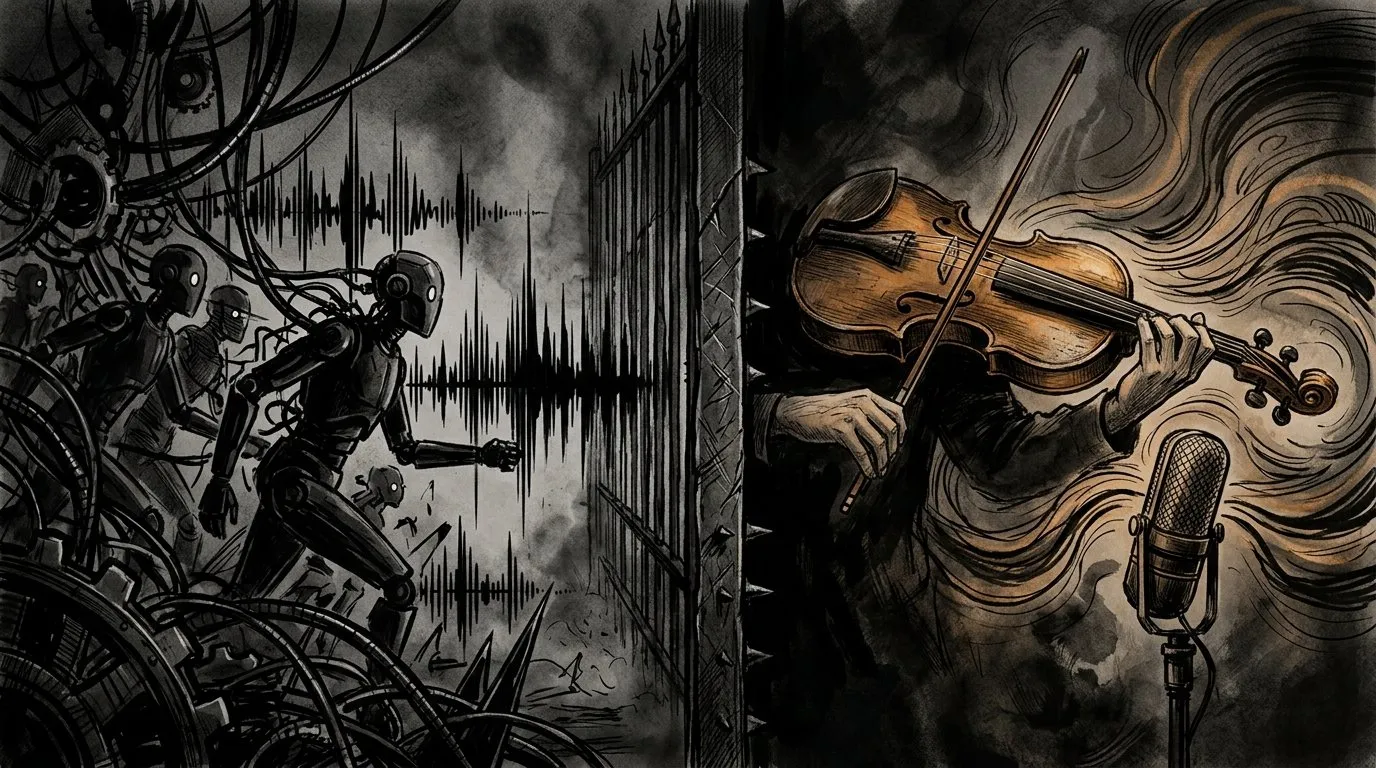
The rapid rise of computer-generated tracks is completely reshaping the way we discover and listen to our favorite tunes. While technological breakthroughs offer exciting creative possibilities, both listeners and musicians are demanding more clarity and choice on digital platforms. Now, major streaming services and creators are taking decisive steps to address synthetic sound and protect human artistry.
From new visual disclosures to custom listening toggles and coordinated industry protests, the music world is entering a crucial turning point. Here is everything happening right now across platforms and community movements.
The Growing Wave of AI Music in Your Daily Feed
Over the past year, tools that generate instant songs from simple text prompts have exploded in popularity. Anyone can sit down at a keyboard and generate complete instrumental compositions, realistic melodies, and even convincing synthetic singing voices in just a few seconds.
While this software can be fun and useful for quick experiments, it has caused a massive wave of audio uploads. Digital platforms are seeing thousands of automated songs added to their libraries every single day. For music fans, it can feel harder than ever to know if a catchy song on a playlist was recorded by real people in a studio or whipped up by an algorithm.
This influx has created friction. Everyday listeners want to know what they are spending their time hearing, while working musicians worry that computer-made songs are burying their hard work. In response, streaming services and artist communities are developing new ways to manage this flood.
YouTube Music Rolls Out Transparency Labels
One of the biggest names in streaming is taking direct action to inform audiences. YouTube Music has started rolling out prominent transparency labels on track pages. These labels clearly indicate when a song was made primarily using generative artificial intelligence.
Clear Disclosures for Compositions and Vocals
The new tag system is built to cover multiple parts of a recording. The disclosures will point out songs built from AI-generated instrumental compositions as well as tracks that rely on synthetic vocals.
Instead of burying this information deep in complicated copyright menus, the labels appear directly on the track view within the streaming interface. Listeners can glance at their phone screens while a track is playing and immediately understand how the piece was put together.
Collaborating with the Music Industry
Importantly, YouTube Music did not design this system in a vacuum. The feature was created in close partnership with major record labels. Record companies have spent months seeking better ways to catalog content and ensure that listeners receive accurate track details. Clear labels give creators credit for genuine instrumentation while ensuring that completely computer-generated projects are clearly identified.
Deezer Takes a Stand with an AI Filter Toggle
While some services are focusing on identification, others are giving listeners the power to remove computer-generated songs entirely. The French music streaming platform Deezer has unveiled an upcoming feature that allows subscribers to filter out AI music with a single click.
Giving Control Back to the Listener
With this new toggle switch, Deezer users can completely hide AI-generated content from their recommendations, searches, and personal feeds. If a subscriber wants a listening session made exclusively by human musicians, they simply flip the switch in their app settings.
This move comes after reports revealed that synthetic tracks accounted for tens of thousands of uploads hitting the platform on a daily basis. Many subscribers expressed frustration that automated background tracks were creeping into relaxation playlists and daily discovery queues. By offering a dedicated filter, the platform is directly answering customer demand for human-made audio.
Combating Catalog Saturation
Catalog oversaturation is a serious issue for modern music apps. When automated tools produce an endless stream of songs, the volume can quickly overwhelm curation teams and search engines. A dedicated filter helps listeners cut through the noise, keeping their favorite genres clean and rewarding authentic releases.
Artists Push Back: "Human Music Only" Boycott
It is not just tech companies building new settings. Musicians themselves are organizing to make their voices heard. A large coalition of independent artists has announced a synchronized boycott of major streaming services under the campaign banner: "Human music only. Press pause on AI."
Fighting Algorithm Bias and Flooded Catalogs
The campaign was launched to confront automated song generators and catalog bloat. Musicians argue that streaming algorithms often recommend low-cost, computer-generated ambient tracks instead of music written by working human creators. When digital libraries are filled with automated songs, discovering independent performers becomes far more difficult.
Participating artists are coordinating actions to draw attention to their message. They are demanding that streaming platforms take stronger steps to safeguard human art and stop algorithmic systems from prioritizing automated content over living creators.
Demanding Fair Compensation and Clear Rules
Another core grievance of the boycott is fair pay. Most digital platforms use a shared royalty pool model, where subscription fees are divided based on total plays across the entire service. If automated bots or synthetic accounts rack up millions of streams on computer-generated tracks, that takes money away from real creators who rely on streaming income to pay rent and buy instruments.
The boycott leaders want digital platforms to establish transparent compensation models that reward the skill, time, and emotional effort poured into human musicianship.
What This Shift Means for Everyday Listeners
These combined changes mark a noticeable shift in how we interact with online audio. In the near future, listeners can expect several improvements:
- Better Information: Clear tags and credits on platforms like YouTube Music will help you easily identify computer-generated tracks.
- Customizable Feeds: Toggles and settings, such as the one coming to Deezer, will let you decide whether you want synthetic songs in your playlists.
- Support for Real Creators: Movements like the "Human music only. Press pause on AI." boycott help raise awareness, making it easier for fans to deliberately support independent bands and songwriters.
Having more data on your screen lets you decide how and when you want computer tools to be part of your listening life.
Looking Ahead
Creative software will continue to evolve, and many producers will likely find exciting, inventive ways to use machine learning inside their recording studios. Yet technology should not erase the value of human experience, storytelling, and craftsmanship in art.
The simultaneous introduction of labeling on YouTube Music, listener toggles on Deezer, and organized protests from indie artists proves that the music world is setting necessary boundaries. As platforms refine their policies and listening tools, fans and creators will have a greater voice in shaping the future of streaming.
Sources: YouTube Music Introduces Transparency Labels for AI-Generated Songs, Deezer Unveils Toggle Feature Allowing Users to Filter Out AI Music, Musicians Plan Streaming Boycott to Protest Unchecked Generative AI Floods