AI Music at a Crossroads: Why $9 Billion Lawsuits and New Tools Matter
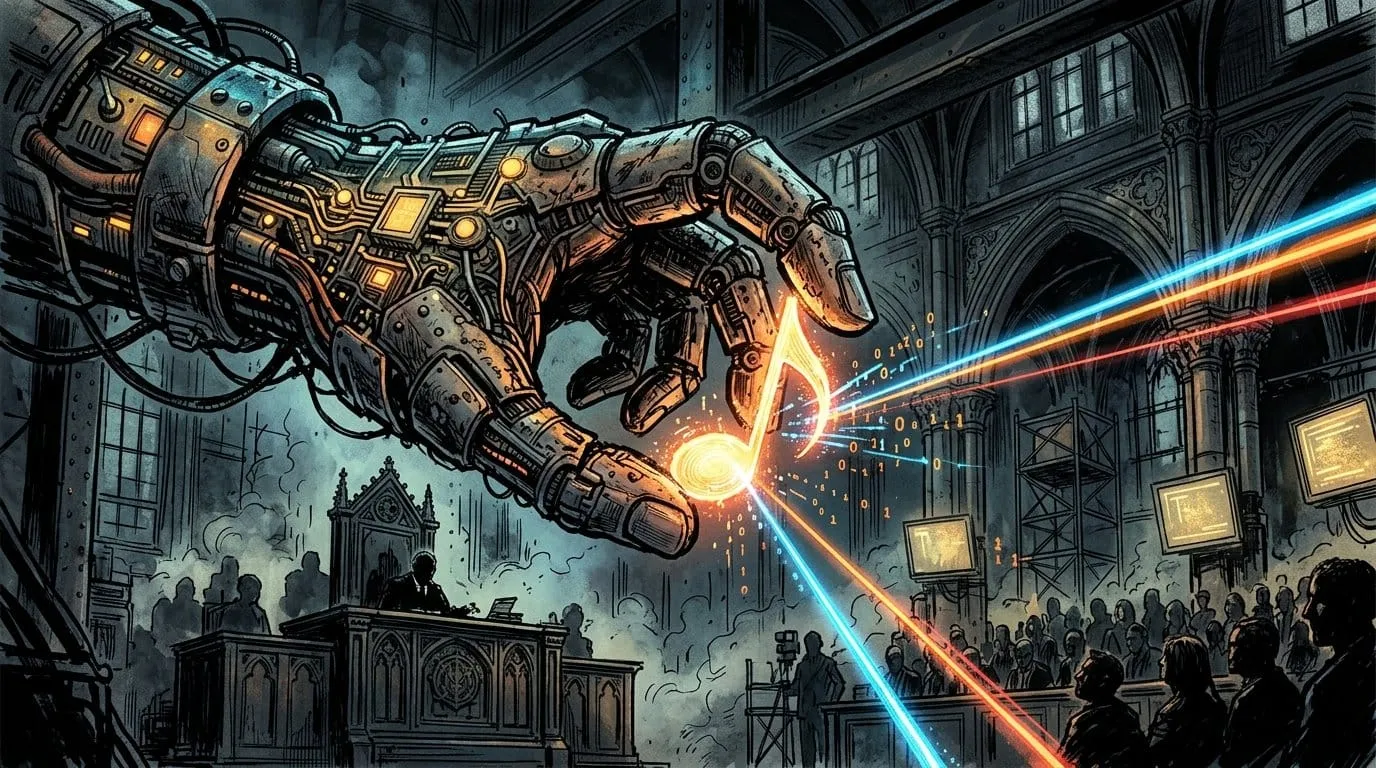
The world of music is changing faster than ever thanks to artificial intelligence. From courtroom dramas involving billions of dollars to new tools that help you write songs, AI is the hottest topic in the industry today.
The $9 Billion Legal Battle
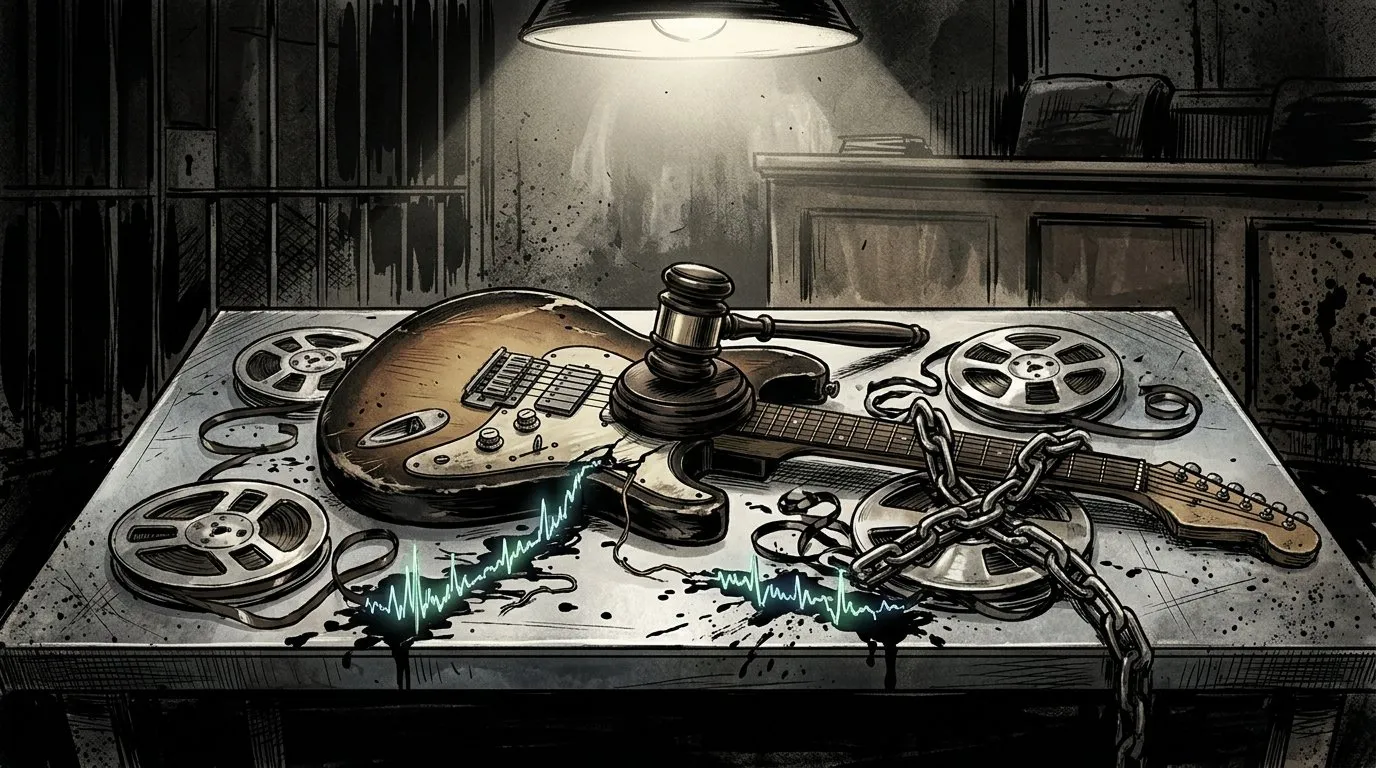
One of the biggest stories in the music world right now is a massive legal fight. Universal Music Group and Sony Music are taking a stand against Suno. These major labels have expanded their lawsuit, asking for over $9 billion in damages. This is a huge increase from what people first expected.
Why is the price tag so high? The labels used a technology called audio fingerprinting to look into how Suno’s AI was built. They claim they found evidence that Suno used over 61,000 of their copyrighted recordings to train its AI system. In the world of music law, using a song without permission can lead to what are called statutory damages. This means the court can set a fine for every single song used. When you multiply those fines by 61,000 songs, you get a number that could reach into the billions.
This case is important because it asks a big question: Can AI companies use existing music to teach their computers how to make new music? The major labels say no. They believe that if an AI is going to learn from a famous artist's work, the company should have to pay for it and get permission first. This lawsuit will likely set the rules for how Generative AI is allowed to function in the future.
TikTok and UMG: Protecting Human Creators
While some companies are fighting in court, others are making deals to work together. Universal Music Group and TikTok recently signed a new multi-year agreement. You might remember that earlier this year, music from UMG artists briefly disappeared from TikTok. This new deal brings that music back, but with some very important new rules regarding Artificial Intelligence.
Both companies have agreed to prioritize Human Artists. They want to make sure that real people—the songwriters and performers—are protected from being replaced by AI. The deal includes plans to remove unauthorized AI-generated content from the platform. This means if someone uses AI to mimic a famous singer's voice without permission, TikTok and UMG will work together to take it down.
Another big part of this deal is about attribution. This is a fancy word for giving credit where it is due. They want to make sure that songwriters and artists are properly named and credited when their work is used on the platform. By working together, TikTok and UMG hope to create a space where technology helps artists instead of hurting them.
New Tools for Music Production
Even with all the legal talk, AI is still providing exciting new ways for people to make music. Two companies, Splice and ElevenLabs, have just released tools that show how AI can be used responsibly.
Splice and Licensed Samples
Splice is a very popular platform for music producers. They recently launched a new suite of AI tools called Variations, Craft, and Magic Fit. These tools are designed to help producers work with the library of 3 million samples that Splice already offers.
The best part about these tools is that they use licensed samples. This means the sounds the AI is working with were already paid for and approved by the people who made them. Splice has set up a system to ensure that Human Artists are compensated every time their work is used as a "seed" for an AI-generated sound. This is a great example of how Music Technology can grow while still making sure creators get their Royalties.
ElevenLabs Music v2
Another company, ElevenLabs, has released an update called Music v2. This is a powerful tool that can create music with incredible vocal realism. It sounds more like a real human singing than almost anything we have heard before.
One of the coolest features in this update is called inpainting. Imagine you have a song you mostly like, but you want to change just one small section, like a specific lyric or a guitar riff. Inpainting lets you go into the song and edit just that one part without changing everything else. ElevenLabs is focusing on using rights-cleared training data. This makes it much safer for professional companies and developers to use their tools without worrying about the kind of lawsuits Suno is facing.
Looking Ahead
The future of music will be a mix of human creativity and powerful technology. On one hand, we see major labels fighting to protect their history and their artists' rights in court. On the other hand, we see social media platforms and software companies finding new ways to use AI that respect those rights.
The main goal for everyone in the Music Business is to find a balance. We want tools that make it easier to create, but we also want to make sure that the people who write and perform our favorite songs can still make a living. Whether it is through billion-dollar lawsuits or smart new apps, the rules of the game are being rewritten right now.
As we move forward, the focus will likely stay on Technological Disruption and how we can manage it. We are entering an era where anyone can be a creator, but the value of a human voice and a human heart in music will always be something worth protecting.
Sources: Major Labels Seek $9 Billion in Expanded Lawsuit Against Suno, TikTok and UMG Extend Licensing Deal with AI Protections, Splice Debuts AI Suite for Licensed Sample Manipulation, ElevenLabs Launches Music v2 with Granular Track Control