Spotify Artist Profile Protection: How It Stops AI Fake Music
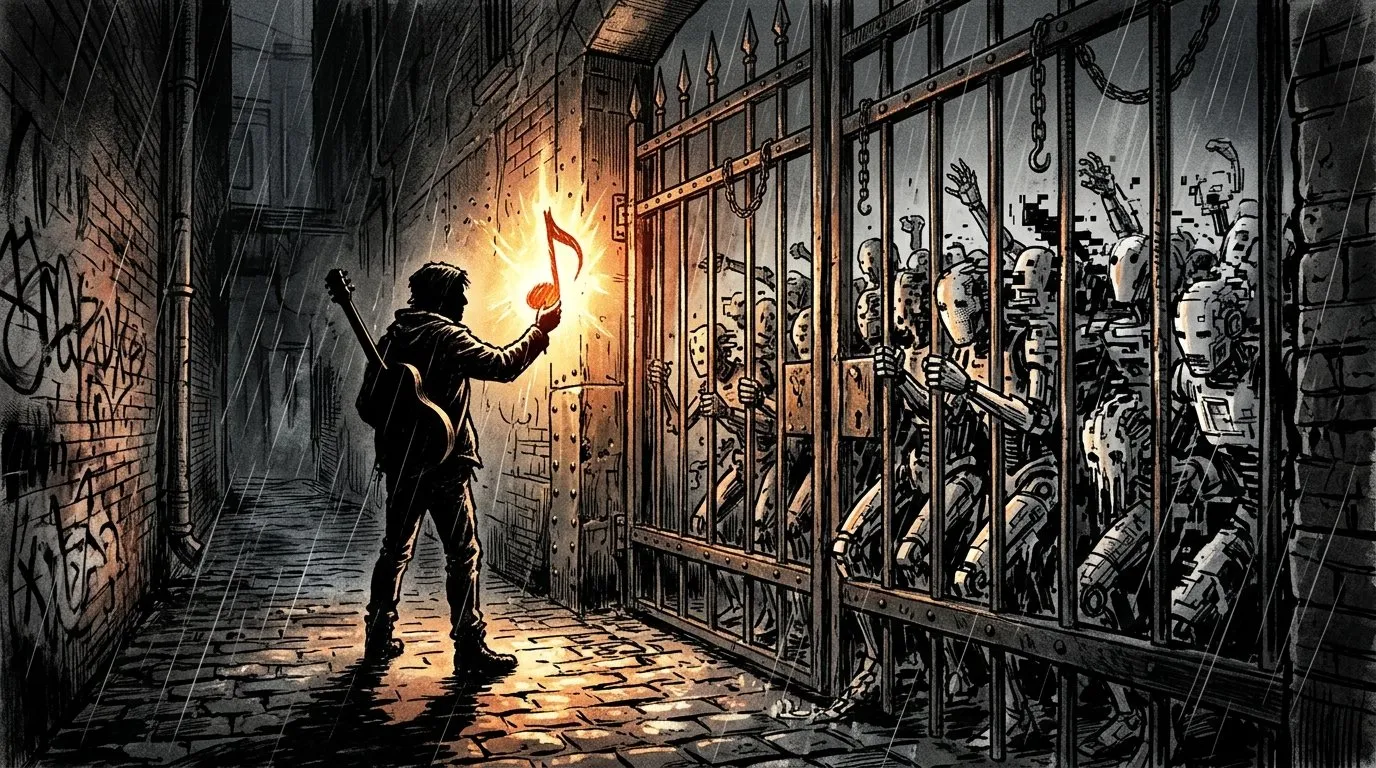
Spotify is taking a major step to help musicians keep their profiles safe and accurate. With the launch of the new Artist Profile Protection feature, the platform is giving power back to the creators. This new tool is designed to stop fake songs and impersonators from ruining an artist's hard-earned reputation.
What is Artist Profile Protection?
In the world of Music Streaming, things move very fast. Sometimes, songs are uploaded to an artist's page that they didn't actually create. This can happen because of technical errors or people trying to trick the system. To fix this, Spotify has introduced a beta feature called Artist Profile Protection. This is a first-of-its-kind safety tool for the music world.
Basically, this feature acts like a digital gatekeeper. It allows musicians to review and approve any music before it officially appears on their profile. Instead of songs just showing up automatically, the artist or their team gets to say "yes" or "no" first. This verification step ensures that only real, authorized music reaches the fans. It is a big change in how the Music Business handles new releases.
The Fight Against AI Slop
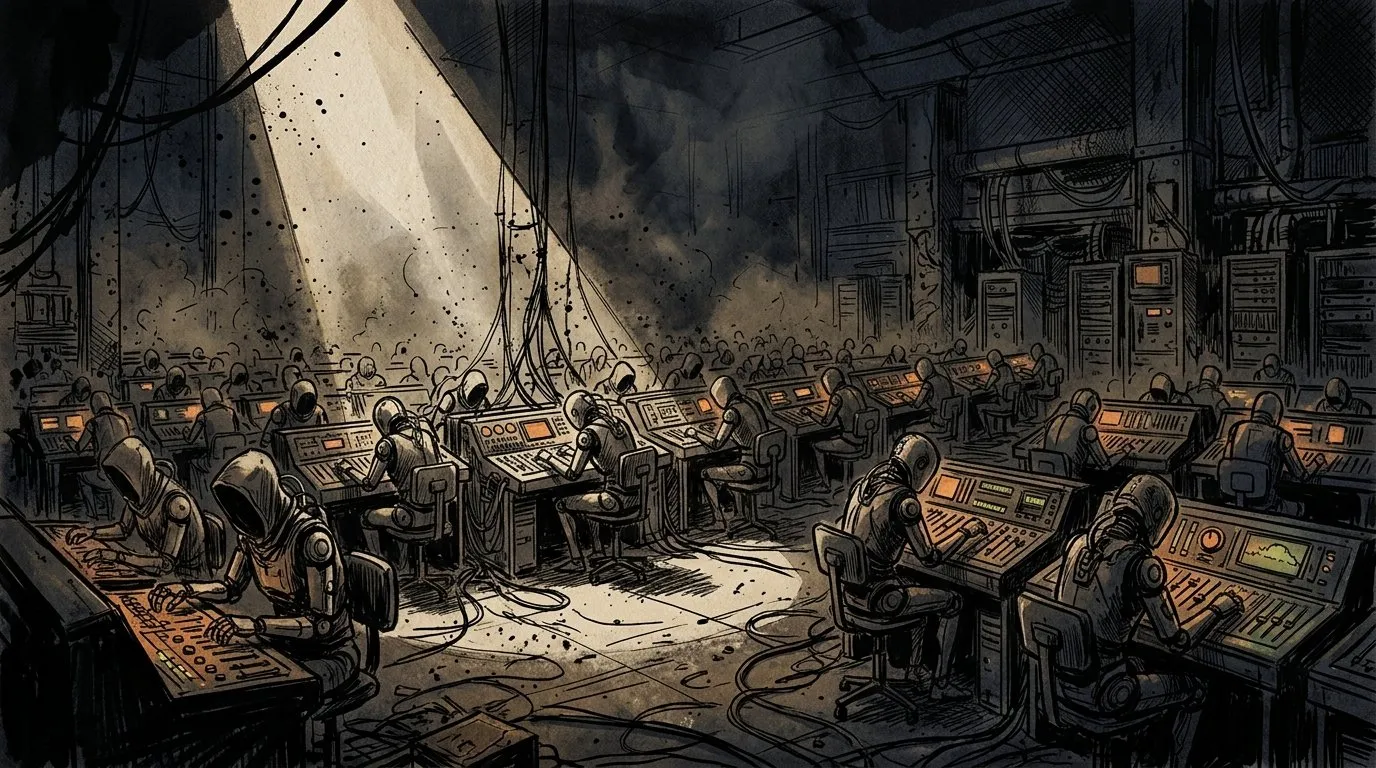
You might have heard the term AI slop recently. This refers to low-quality, AI-generated content that floods the internet. In the music world, this often looks like fake songs that sound a bit like a famous singer but aren't actually made by them. These tracks often use Artificial Intelligence to mimic a performer's voice without their permission.
These fake tracks are a huge problem for Human Artists. When a fan goes to a profile looking for a new hit, they don't want to hear a robotic imitation. This "slop" can confuse listeners and make the platform feel cluttered. By using Artist Profile Protection, Spotify is making it much harder for these fraudulent tracks to find a home. It shields the artist's identity and keeps the listening experience clean for everyone.
Why This Matters for Human Artists
For a professional musician, their profile is their storefront. It is where they build their brand and connect with their community. When fake music appears there, it can damage their image. Imagine a fan's disappointment when they think their favorite singer has released a new album, only to find out it is a bunch of AI-generated noise.
This is why Artist Profile Protection is so important. It treats a musician's profile as a sacred space. By giving artists the final say on what gets posted, Spotify is helping them maintain their artistic integrity. It is not just about stopping bad music; it is about protecting the years of work that Human Artists put into their careers.
Protecting Royalties and the Music Business
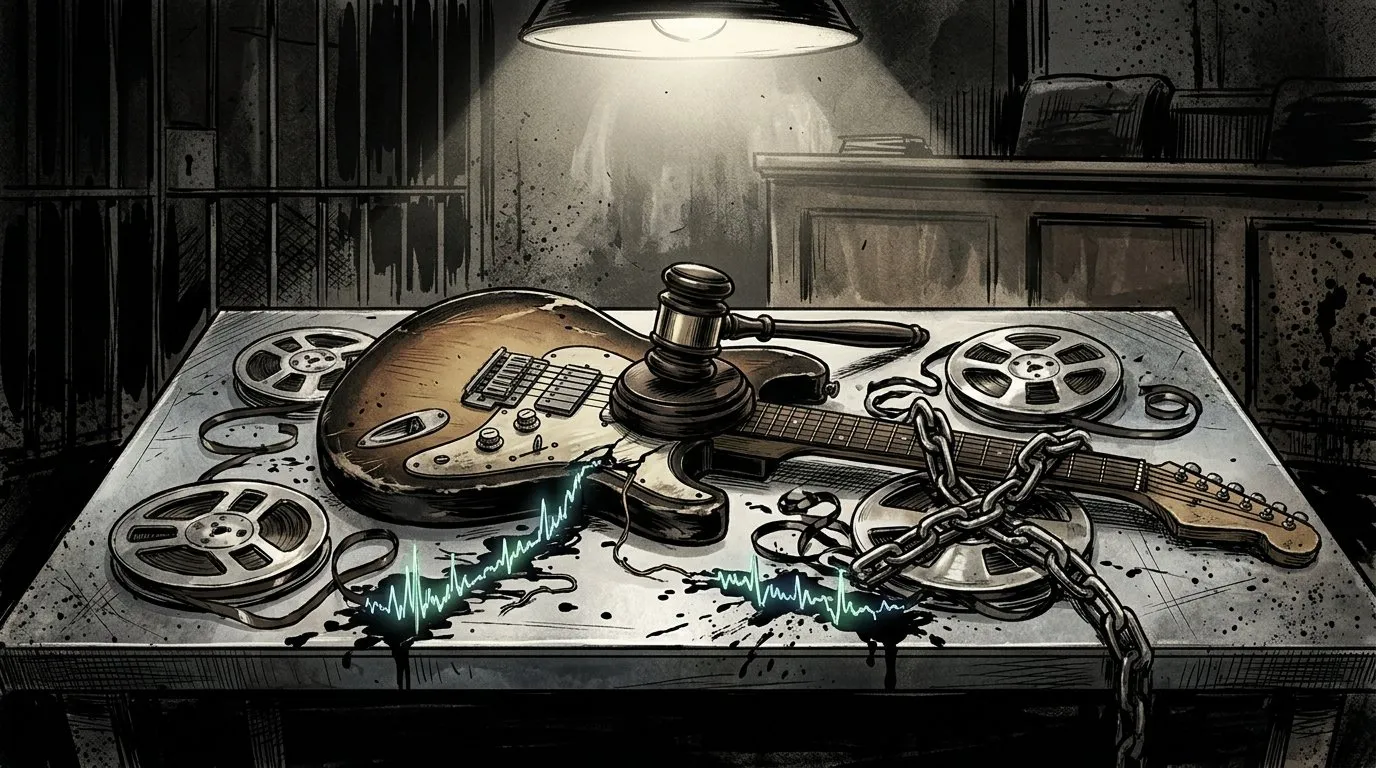
The impact of fake music goes beyond just sounds; it also affects money. In the Music Business, every stream counts toward Royalties. When a fraudulent track is uploaded under a famous artist's name, it can steal streams away from the real creator. This means the money that should go to the hard-working musician and their team is instead being diverted to scammers.
Music Technology should be used to help creators, not hurt them. By adding this new layer of security, Spotify is helping ensure that Royalties are paid to the right people. This makes the entire streaming ecosystem more fair. When the platform is free of fake tracks, the data becomes more accurate, and the business runs more smoothly for everyone involved.
How the Beta Program Works
Since this is a beta feature, it is currently being tested with a specific group of users. Spotify wants to make sure the system works perfectly before rolling it out to every single artist on the platform. During this phase, the company will gather feedback from musicians and managers to see how the approval process feels in real life.
During the test, when a distributor sends music to Spotify, the system checks it against the protected profiles. If there is a match, the music is put into a "holding area." The artist then gets a notification to check the track. If it’s theirs, they approve it, and it goes live. If it’s a fake or a mistake, they can reject it, and it never touches their official page. This level of control is exactly what many in the industry have been asking for as Music Production becomes more automated.
The Role of Music Technology in Security
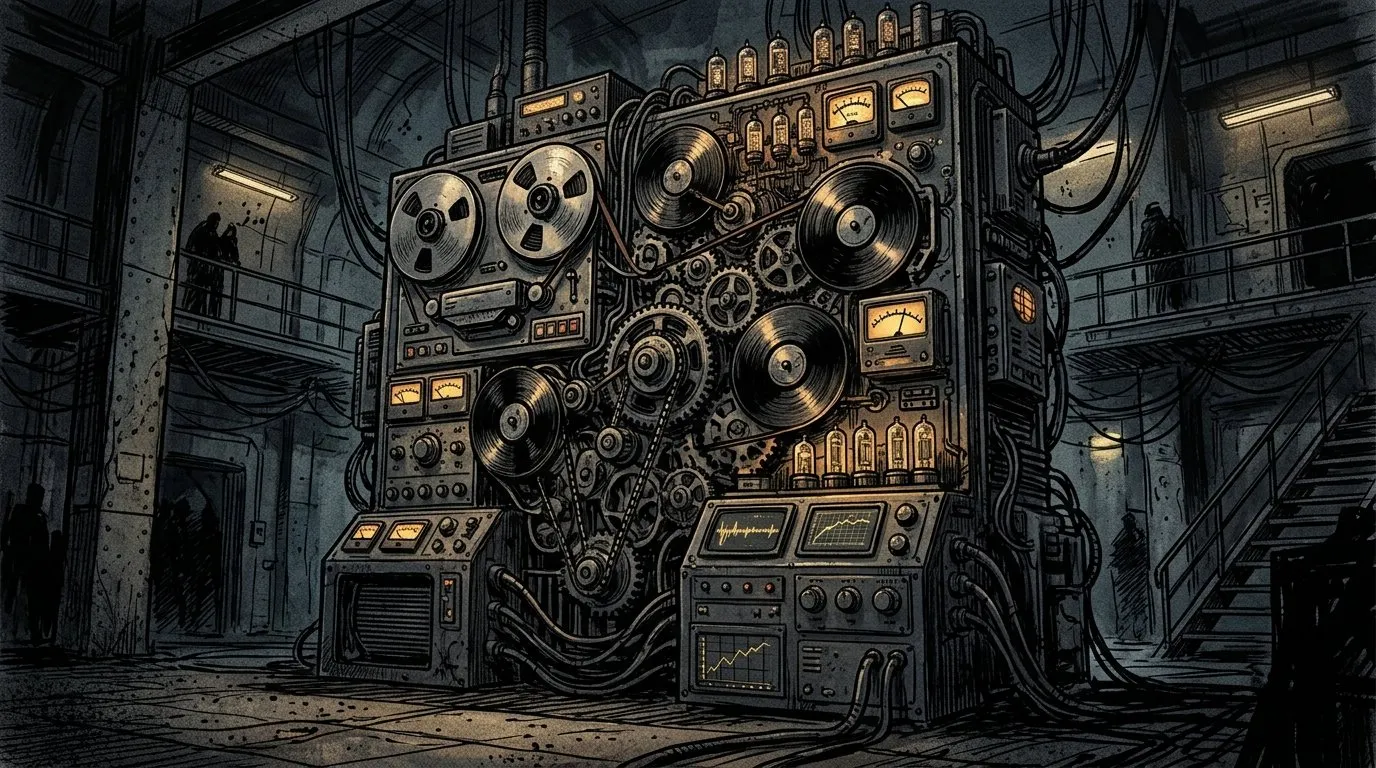
As Artificial Intelligence continues to evolve, the tools we use to manage it must evolve too. Music Technology is often a double-edged sword. On one hand, AI can help people make incredible new sounds. On the other hand, it can be used to create deepfakes and mass-produce low-quality content.
Spotify’s move shows that the biggest players in Music Streaming are taking these threats seriously. By building security directly into the artist's dashboard, they are creating a safer environment for digital creativity. It sets a standard for other platforms to follow. If every streaming service had a similar verification step, the problem of identity theft in music could be greatly reduced.
Looking Ahead
The launch of Artist Profile Protection is just the beginning of a new era in music security. As we look to the future, we can expect more tools that focus on verifying that content is genuine. The goal is to create a world where fans can trust what they hear and artists can feel safe about their digital presence.
While AI will continue to change how we think about Music Production, the human element remains the most important part of the industry. Tools like this ensure that Human Artists stay at the center of the conversation. By stopping AI slop before it starts, Spotify is helping to keep the magic of music alive and authentic for years to come.
Sources: Spotify Introduces 'Artist Profile Protection' to Combat AI Impersonation