Suno v5.5 and Google Lyria 3 Pro: A New Era for AI Music Creation
The world of artificial intelligence is moving faster than ever, especially when it comes to the songs we listen to and create. This week, two major players in the tech world released massive updates that will change the way musicians work. From cloning your own voice to generating full-length songs with a clear structure, the tools available to creators are becoming more powerful and personal. These updates show that AI is no longer just a toy for making short clips; it is becoming a professional partner in the studio.
Suno v5.5: Your Voice, Your Identity
One of the biggest names in the AI music space, Suno, just launched its latest version, v5.5. This update is a huge step forward for people who want their music to sound unique. In the past, AI music often sounded a bit generic, but Suno is changing that by focusing on Voice Fidelity and personalization.
Private Voice Cloning
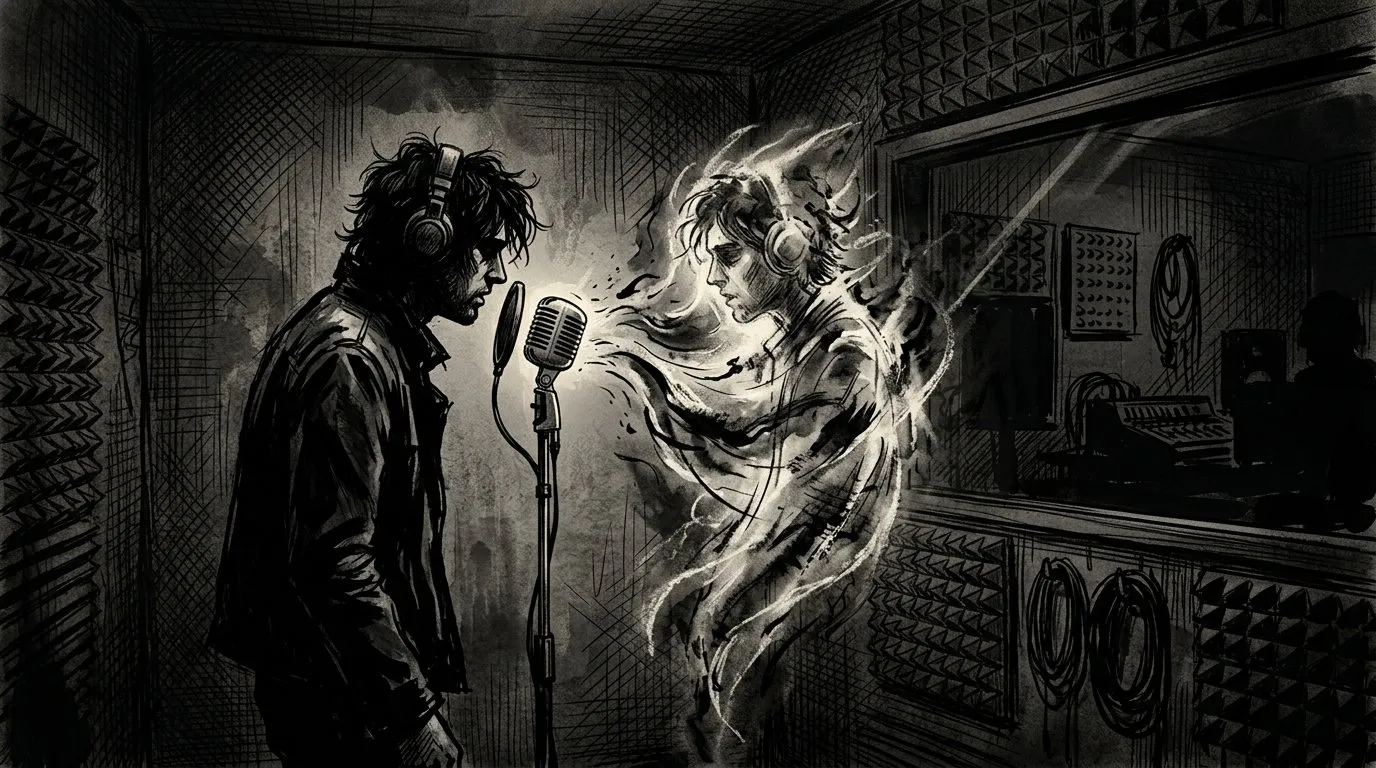
The most exciting feature in Suno v5.5 is called Voices. This allows users to engage in private voice cloning. If you are a singer, you can now record your voice and teach the AI how you sound. Once the AI learns your vocal style, you can use it to sing new lyrics or melodies. This is a game-changer for Music Production because it allows artists to experiment with new song ideas without having to stand in front of a microphone for hours. It helps preserve a singer's energy while still keeping their signature sound at the center of the track.
Custom Model Tuning
Suno is also introducing Custom Models. This feature lets users take their own original catalog of music and use it to fine-tune the AI. Think of it like giving the AI a masterclass in your specific style. If you have a library of folk songs or heavy metal tracks you have written, the AI can learn the patterns, chords, and rhythms that make your music yours. This shift toward Custom Model Tuning means that the AI becomes a reflection of the artist’s own musical identity rather than just a random generator. It is a tool designed for professional production workflows, helping creators stay consistent across different projects.
Google Lyria 3 Pro: The Full Song Experience
While Suno is focusing on the artist's personal sound, Google DeepMind is focusing on the big picture. They recently unveiled Lyria 3 Pro, a major update to their music generation model. For a long time, AI-generated music was limited to short loops or 30-second snippets. Google has broken that barrier by allowing users to create structured, three-minute songs.
Building a Song from Start to Finish
What makes Lyria 3 Pro special is its ability to understand how a song is built. It doesn't just generate a wall of sound; it creates specific sections like intros, verses, and choruses. This is known as Full-Length AI Music Generation. When you ask the model to make a song, it understands that a bridge should sound different from a chorus. This makes the output feel much more like a real radio hit.
Google is integrating this technology across its entire ecosystem. This means you will soon see these capabilities in Gemini and Vertex AI. Whether you are a developer or a casual user, you will have the power to create complex musical arrangements with just a few prompts. This integration makes Music Technology more accessible to everyone, from professional producers to people who just want to make a song for a friend’s birthday.
Safety and Transparency in the Digital Age
As AI music becomes more realistic, knowing what is human-made and what is machine-made becomes very important. Google is addressing this with a technology called SynthID. This is a digital watermarking system that identifies AI-generated content. Even if a song sounds perfectly human, SynthID leaves a hidden mark that computers can detect. This helps protect the integrity of the Music Business by ensuring that AI content is clearly labeled.
Suno is also keeping things safe by making their voice cloning features private. By allowing users to clone only their own voices for their own projects, they are helping to prevent the unauthorized use of an artist's likeness. Both companies are showing that as the technology grows, the rules for using it must grow as well.
How This Changes Music Production
For independent artists, these tools offer a way to compete with big studios. Music Production can be very expensive, requiring high-end microphones, soundproof rooms, and professional mixing engineers. With Suno v5.5 and Lyria 3 Pro, some of those barriers are coming down.
An artist can now use AI to create a high-quality demo of a song in minutes. They can use their own Custom Models to ensure the demo sounds like them, and they can use Google's structured generation to make sure the song has a professional flow. This doesn't replace the artist; instead, it gives them a more powerful set of brushes to paint with. It allows for faster experimentation and helps creators get past "writer's block" by giving them a solid foundation to build upon.
Looking Ahead
The launch of Suno v5.5 and Google Lyria 3 Pro marks a turning point for Music Technology. We are moving away from simple AI experiments and toward tools that respect and enhance human creativity. In the coming months, we will likely see even more integration between AI and traditional recording software.
The future of the Music Business will be defined by how we balance these new powers with the unique soul that only human artists can provide. As these models get better at understanding melody, structure, and vocal emotion, the line between "AI music" and just "music" will continue to blur. One thing is certain: the way we write, record, and share songs will never be the same again.
Sources: Suno Releases v5.5 with Voice Fidelity and Custom Model Tuning, Google Launches Lyria 3 Pro for Full-Length AI Music Generation