UK Ends Free AI Music Training: A Win for Artist Rights
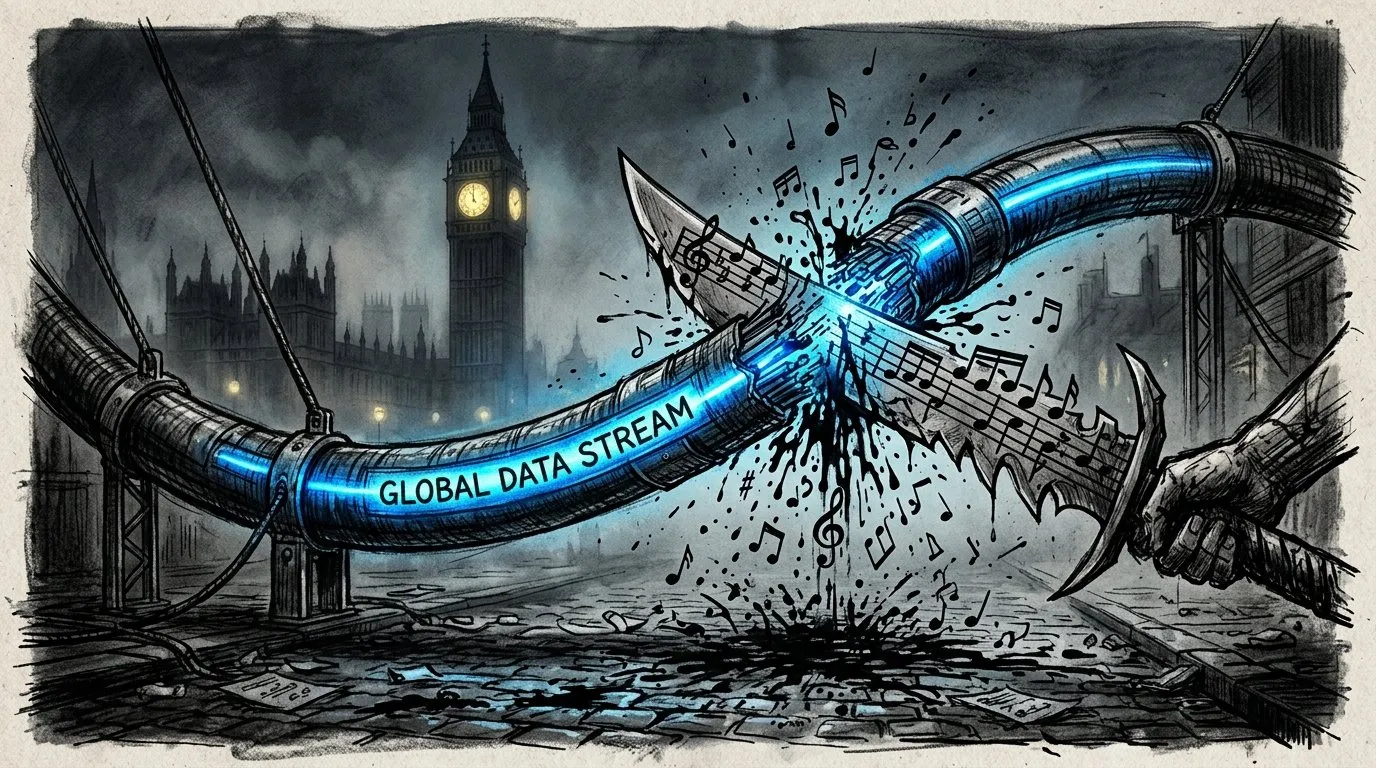
Big changes are coming to the world of music and technology in the United Kingdom. The UK government has officially decided to stop a plan that would have let Artificial Intelligence companies use copyrighted songs for free. This move is being called a major policy "reset" that puts the focus back on protecting the people who actually create the music we love.
For a long time, there has been a big debate about how AI models are built. These programs need to "listen" to millions of songs to learn how to make new music. Until recently, some people in the government thought AI companies should be allowed to do this without asking for permission or paying the artists. Now, that idea has been scrapped to make sure the Music Business remains fair for human creators.
Understanding the AI Training Debate
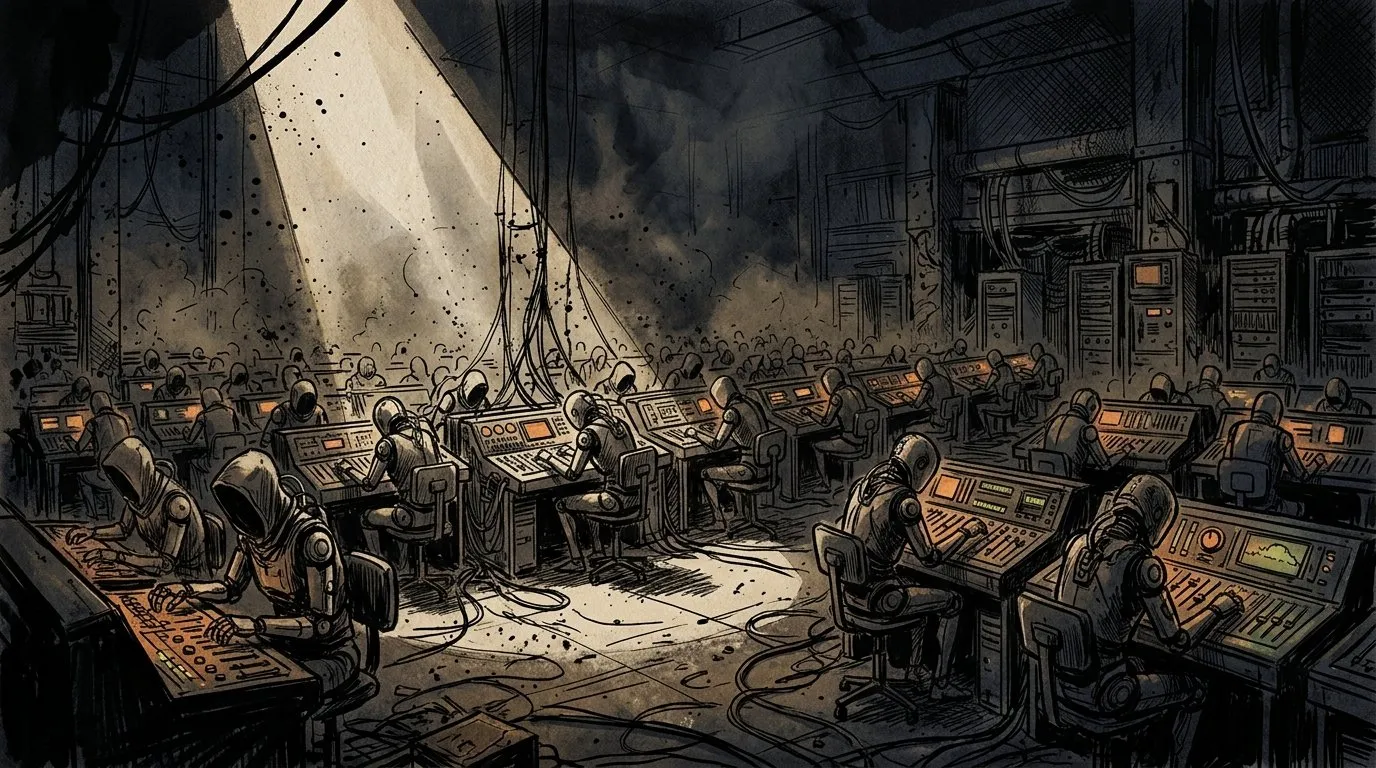
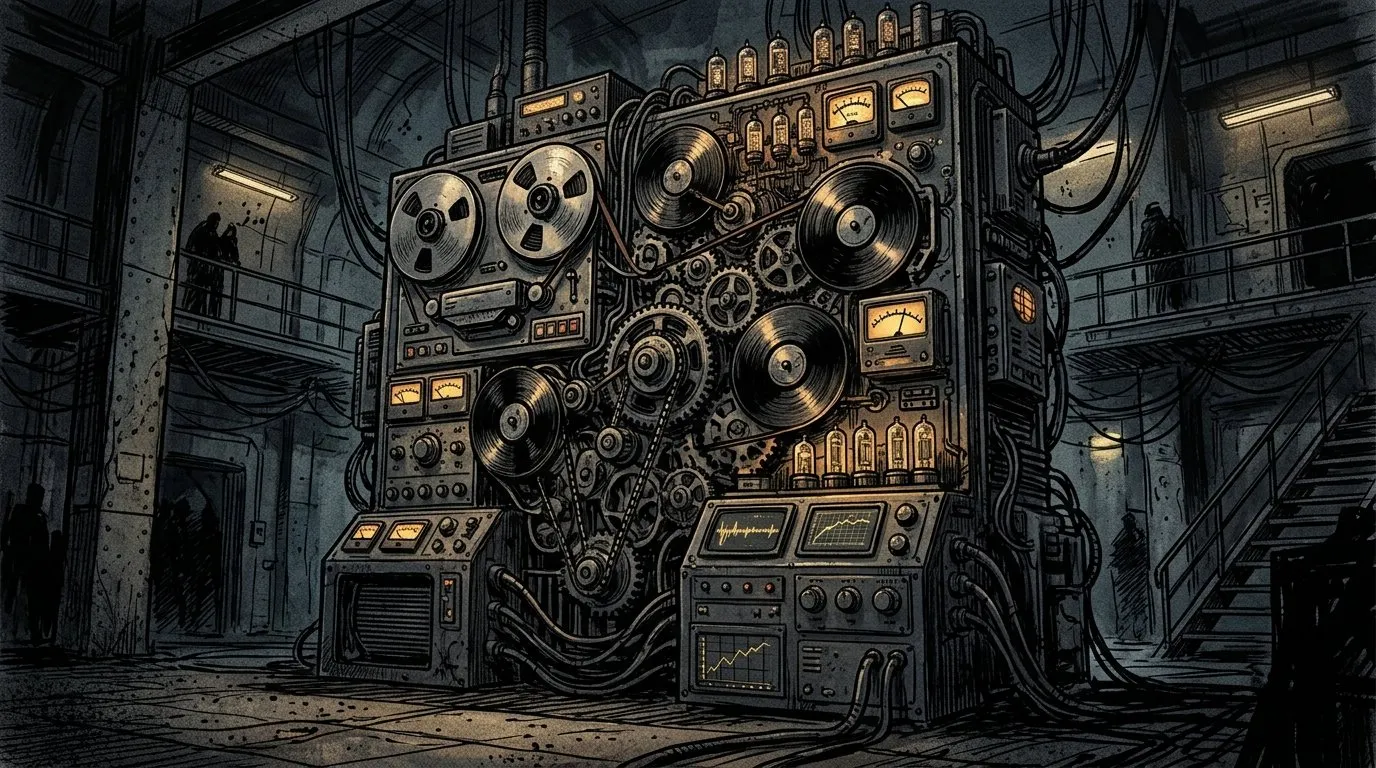
To understand why this is such a big deal, we first have to look at how Generative AI works. Companies like those making AI music tools need a massive amount of data. This data includes melodies, lyrics, and rhythms from existing songs. By analyzing these songs, the AI learns to copy styles and create its own tracks.
In the past, the UK government considered a "text and data mining" exception. This would have given AI firms a "free pass" to use copyrighted works for training purposes. The goal was to make the UK a leader in AI technology. However, many people in the music industry argued that this was unfair. They believed that using someone's hard work to train a machine that might eventually replace them was a violation of Intellectual Property rights.
The Government's Policy Reset
After listening to songwriters, musicians, and record labels, the UK government chose to change its path. This "reset" means that the government will no longer push for laws that allow AI companies to bypass copyright. Instead, they are prioritizing the protection of creative rights.
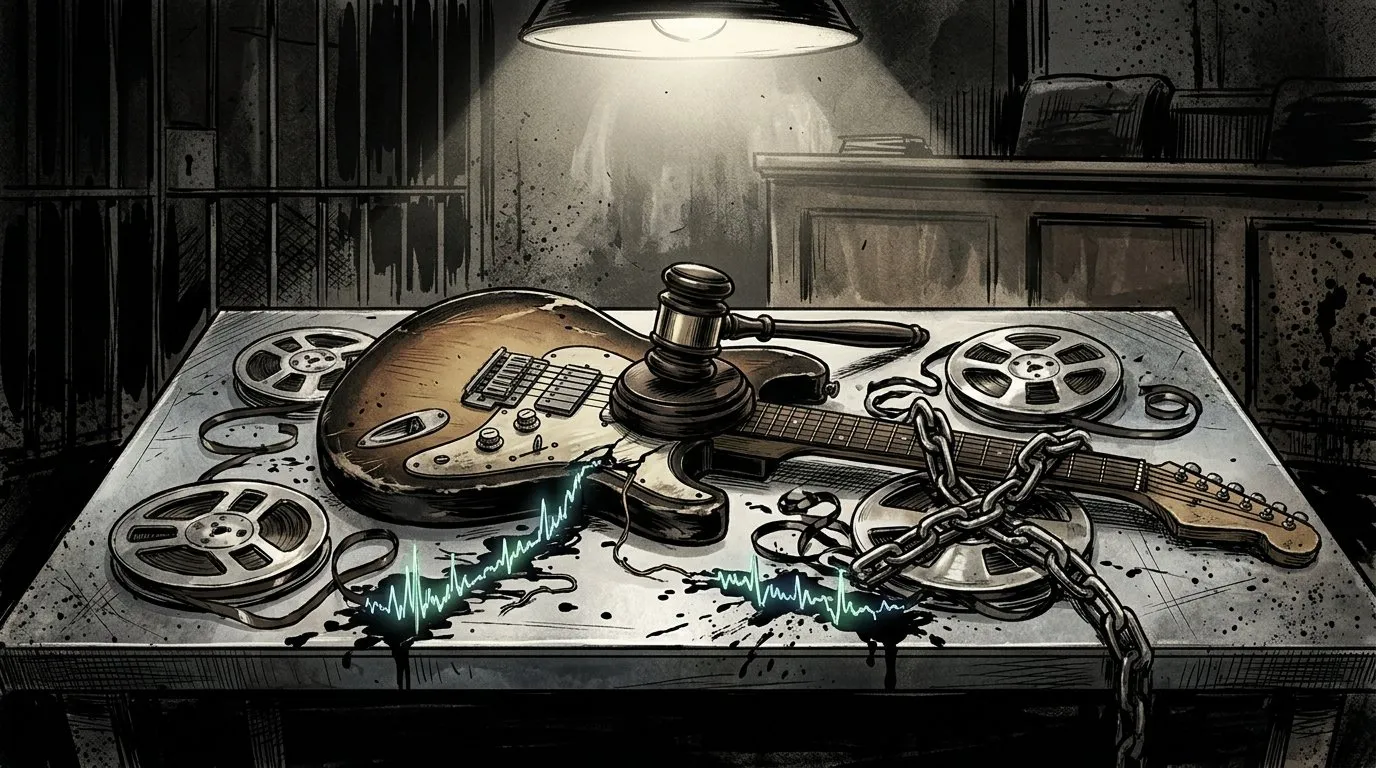
This decision shows that the government values Human Artists and their ability to make a living. By dropping the proposal, the UK is sending a clear message: if you want to use a song to train your AI, you need to get permission first. This often involves a licensing deal, which ensures that the creators are compensated for their contribution to the technology.
Why This Matters for Music Production
For those involved in Music Production, this news provides a sense of security. Producers and engineers spend years perfecting their sound. If an AI could simply absorb that sound and replicate it for free, it would devalue the skills of human professionals.
With this new direction, the UK is encouraging a more ethical approach to Music Technology. It forces tech companies to work together with the creative industry rather than working against it. This could lead to better partnerships where AI tools are developed using legally sourced and licensed material, making the final product more respected by the community.
Protecting Royalties and Income
One of the biggest concerns for musicians is how they earn money. Royalties are the lifeblood of the industry. When a song is played on the radio or streamed online, the artist gets a small payment. If AI companies were allowed to use music for free, it would create a massive hole in the system where creators are not getting paid for the use of their work.
By stopping the copyright exception, the UK government is helping to protect these income streams. It ensures that the value of music remains high. If a tech company wants to use a famous catalog of music to build a new tool, they will likely have to negotiate a price. This money goes back to the artists, labels, and publishers, helping to fund the next generation of music.
The Global Impact of the UK’s Decision
The UK is one of the most important hubs for music in the world. What happens there often sets a trend for other countries. By taking a stand for copyright, the UK is influencing the global conversation about AI.
Other regions, like the European Union and the United States, are also looking at these issues. Some places are creating strict rules, while others are still undecided. The UK’s decision to protect intellectual property could encourage other nations to do the same. This creates a more stable environment for the global Music Business, where everyone knows the rules of the road.
A Balanced Path Forward
It is important to note that the UK government is not "anti-AI." They still want to see technology grow and thrive. However, they believe that innovation should not come at the cost of human creativity. The goal is to find a balance where technology can advance while still respecting the rights of the people who provide the data.
This balance is key for the future of Music Technology. AI has the potential to be a powerful tool for creators, helping them find new sounds or organize their work. But for AI to be a positive force, it must be built on a foundation of fairness and respect for the law.
Looking Ahead
As we move forward, we can expect to see more discussions between tech firms and music representatives. Now that the "free pass" is off the table, these groups will need to find common ground. We might see new types of licensing agreements specifically designed for AI training.
For the average listener, this might not change how you hear music today, but it changes how music is made tomorrow. It ensures that the artists you love can continue to create without fear of their work being taken without consent. The UK's "reset" is a significant step toward a future where humans and machines can coexist in the creative world, but only if the humans are treated fairly.
In the coming months, the government will likely provide more details on how they plan to support both the AI sector and the creative industries. For now, the music world is breathing a sigh of relief, knowing that their rights are being taken seriously in the age of generative AI.
Sources: UK Government Scraps Plans for AI Training Copyright Exceptions