Why 50% of AI-Generated Songs Are Never Played Twice

The world of music is changing faster than ever before. While it used to take months of hard work to write and record a single track, Artificial Intelligence now allows anyone to create a full song in just a few seconds. However, a new study shows that just because we can make music easily doesn't mean we actually want to listen to it more than once.
The Surprising Data from Neume
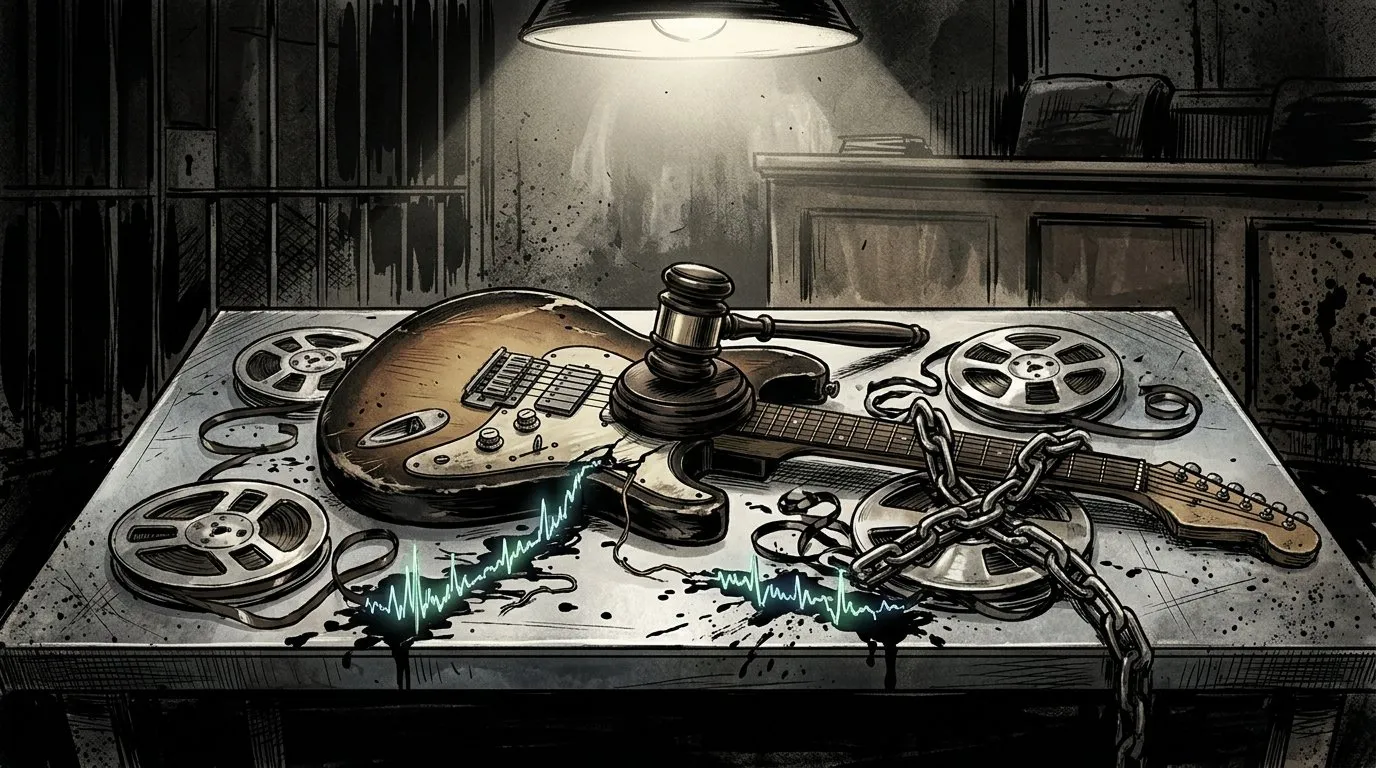
A recent analysis by the AI music platform Neume has uncovered a startling trend in the world of digital creation. According to their data, nearly half of all songs generated by Artificial Intelligence are never replayed. This means that even the people who hit the "generate" button often don't go back to listen to their own creations a second time.
This discovery is a major shift from how we usually think about Music Production. In the past, the goal of making a song was almost always to create something that people would want to hear over and over again. Whether it was a catchy pop hit or a deep, emotional ballad, the measure of success was its staying power on the charts or in a listener's personal library. Now, the data suggests that a huge portion of new music is being treated as "disposable."
The Rise of Disposable Music
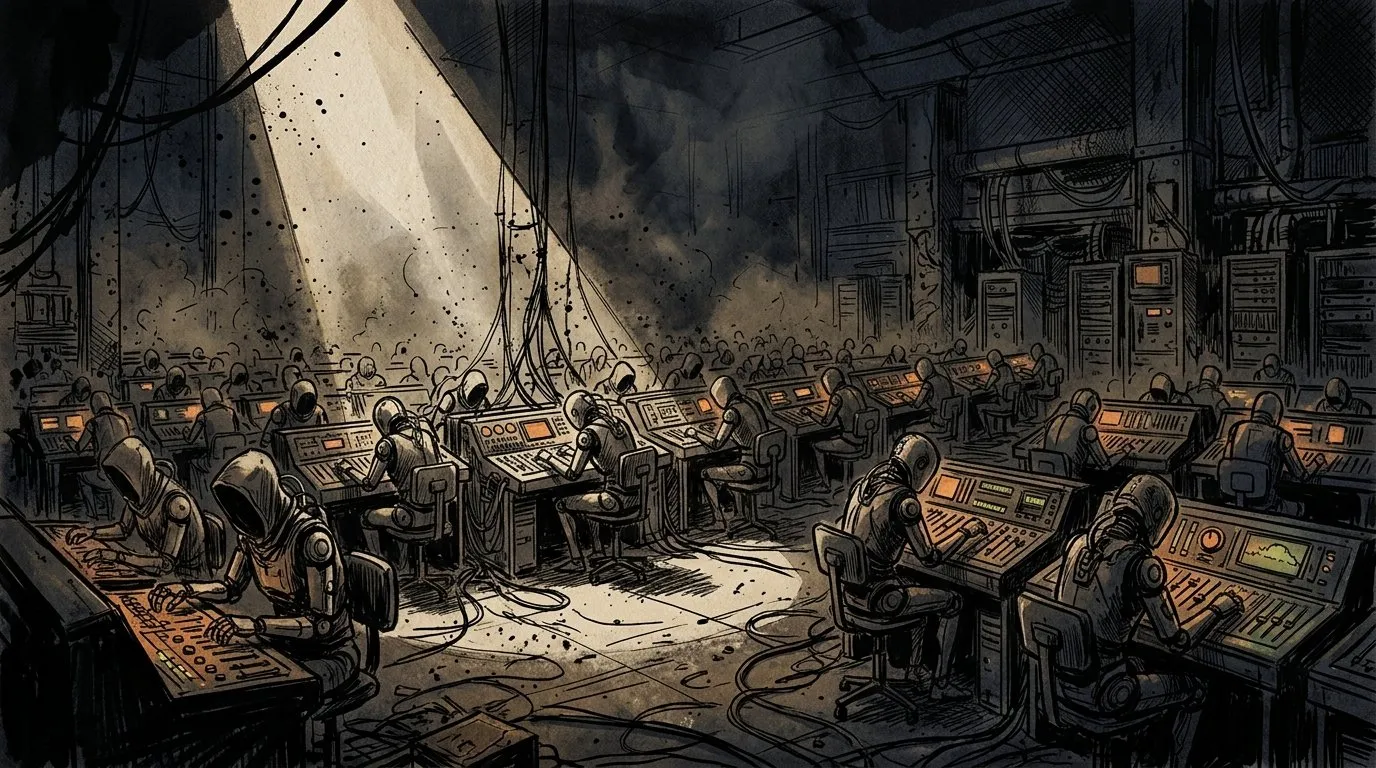
To understand why this is happening, we have to look at the tools people are using. Platforms like Udio and Suno have made it incredibly simple to turn a text prompt into a high-quality audio file. Because the process is so fast and requires very little effort, the value of each individual song has dropped in the eyes of the creator.
When a person spends weeks learning an instrument or writing lyrics, they develop a deep connection to the work. When Artificial Intelligence does the heavy lifting, that connection is often missing. For many users, the thrill is in the act of creation itself—seeing what the computer can come up with—rather than the final product. Once the curiosity is satisfied, the song is often forgotten.
Using AI for Emotional Processing
One of the most interesting findings in the report is how people are using these tools for personal reasons. Instead of trying to become the next big star in the Music Business, many users are turning to Udio and Suno for "emotional processing."
Imagine you are having a bad day or going through a difficult breakup. In the past, you might have written a poem or a journal entry. Today, you can ask an AI to write a blues song about your specific situation. You listen to it once, feel a sense of relief or understanding, and then move on. The song served its purpose in that moment, but it doesn't need to be part of a permanent collection. It is music as a form of therapy or a temporary mood booster rather than a piece of art intended for long-term enjoyment.
Impact on the Music Business and Streaming
This shift toward disposable music has big implications for Music Streaming platforms. Services like Spotify or Deezer are built on the idea of building libraries and playlists. If millions of songs are being created that no one—not even the creator—wants to hear again, it creates a lot of "noise" in the digital space.
For Human Artists, this data might actually be a bit of good news. There has been a lot of fear that AI would completely replace human songwriters. However, if 50% of AI music is never played twice, it shows that there is still something very special about human-made music. Humans create songs with the intention of building a lasting connection with an audience. AI, at least for now, seems to be filling a different niche: the need for instant, personalized, and temporary content.
Challenges for Music Technology
As Music Technology continues to evolve, companies will have to decide how to handle this flood of one-time-use songs. If half of the content on a platform is never replayed, it can slow down search results and make it harder for listeners to find high-quality music.
Platforms may need to develop better filters to separate "personal use" AI tracks from professional-grade music intended for public consumption. This would help protect the ecosystem for both listeners and professional creators who are worried about their work being buried under a mountain of generated content.
A New Way to Think About Creativity
We are witnessing a change in what it means to be a "creator." In the traditional sense, a creator is someone who produces work for others to see or hear. With tools like Udio and Suno, the creator is often the only audience member. This turns music making into a private experience, much like a hobby or a personal meditation.
While this might seem strange to people who grew up buying CDs or vinyl records, it reflects a broader trend in how we use technology. We take thousands of photos on our phones that we never look at again. We send disappearing messages on social media. Now, we are making disappearing music. It is about the "now" rather than the "forever."
Looking Ahead
The fact that half of AI music goes unplayed isn't necessarily a failure of the technology. Instead, it shows that we are finding new, unexpected ways to use Artificial Intelligence in our daily lives. As these tools become even more advanced, we will likely see a clearer split in the market.
On one side, we will have Human Artists and professional producers using technology to create timeless hits that we listen to for years. On the other side, we will have a massive world of "instant music"—songs created for a specific moment, a specific person, or a specific feeling, intended to be heard once and then let go.
The challenge for the Music Business will be finding a way to let these two worlds live together. But for the average person, the ability to generate a song just for themselves is a powerful new way to express their feelings, even if they never press the "play" button again.
Sources: Study Reveals 50% of AI-Generated Songs Are Never Played