AI and Music Rights: Big Changes Discussed at VersoFest 2026
The world of music is changing faster than ever before. New tools are making it easier for anyone to create songs, but this also brings up big questions about who owns the music and how people get paid. At VersoFest 2026, a special panel hosted by Verso Studios brought together some of the biggest names in the industry to talk about the future of Artificial Intelligence and music rights.
This event was not just another meeting. It was a deep dive into what the panel called "seismic shifts" in how we license and make money from music. Leaders from companies like Suno, LANDR, and Chord Music Partners shared their ideas. They all agreed on one thing: the industry is moving toward a "licensed-first" future. This means that instead of fighting over technology, companies are working together to make sure everyone is treated fairly.
The Big Names at the Table
To understand why this panel was so important, we have to look at who was there. Suno is a company that has changed the game for AI music creation. Their tools allow people to turn simple text into full songs. This is exciting, but it also makes traditional songwriters wonder about their own work.
Next, we had LANDR. This company is well-known for its Music Production tools. They use AI to help artists master their tracks and distribute them to streaming services. Because they work with so many independent artists, they have a unique view on how AI can help or hurt the creative process.
Finally, Chord Music Partners represented the side of the business that deals with music catalogs and investments. They look at music as an asset. For them, protecting the value of a song is the most important job. When these three groups get together, they represent the entire circle of music: the creators, the tools, and the owners.
Moving Toward a Licensed-First Future
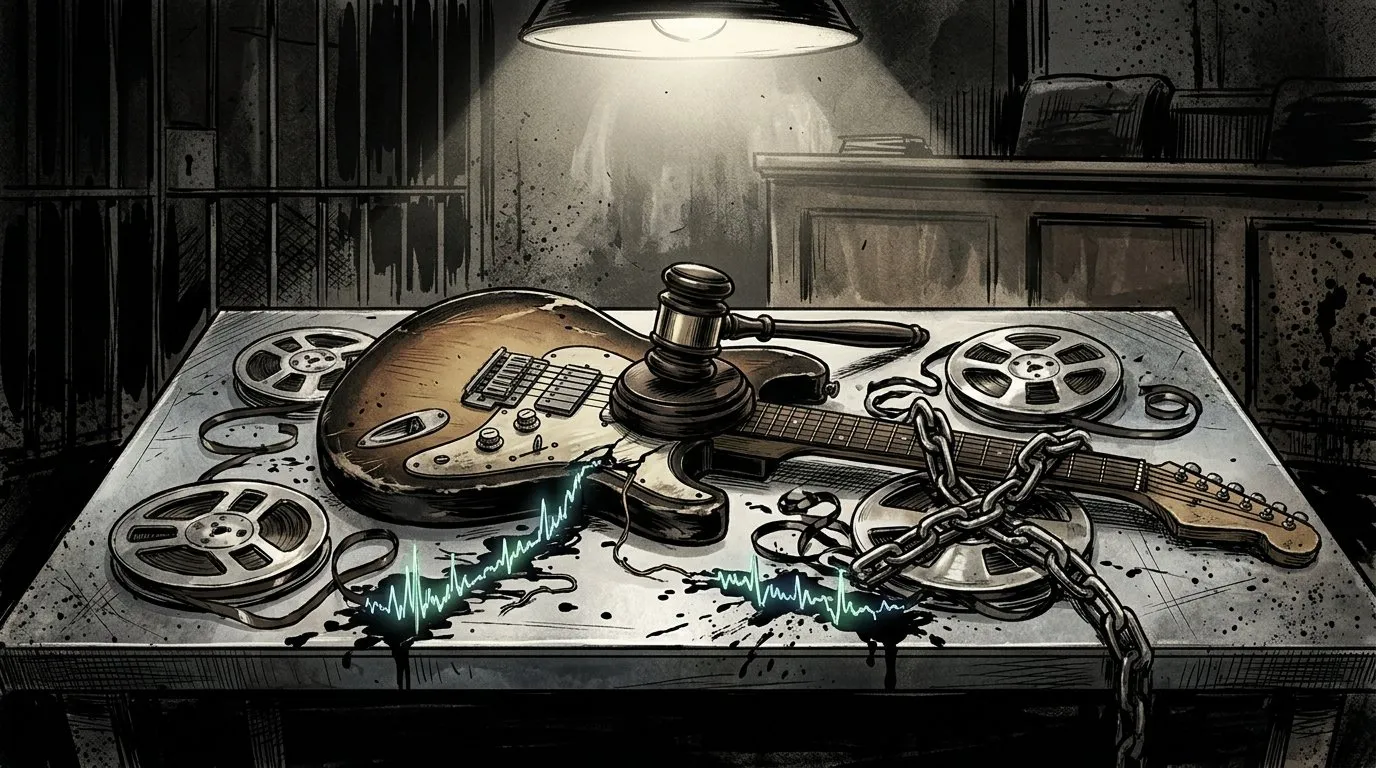
One of the most important terms used during the panel was "licensed-first." In the past, when new technology came out, people often used it first and asked for permission later. This caused a lot of legal trouble in the Music Business. The panel at VersoFest 2026 suggested that this is changing.
A licensed-first future means that AI companies will work with music owners from the very beginning. Instead of using songs to train AI without permission, they will sign deals. This ensures that the Human Artists who made the original music are recognized and rewarded. This shift is meant to stop lawsuits and start a new era of cooperation. If a tool like Suno uses a specific style or sound, a license would make sure the right people get a piece of the pie.
How AI Tools and Rights Holders Work Together
The relationship between AI creation tools and traditional rights holders has been a bit rocky. Rights holders are the people or companies that own the legal rights to a song. When an AI creates something new, it can be hard to tell where the inspiration ends and where copying begins.
The panel discussed how these two sides are finding common ground. Music Technology is not going away, so the goal is to make it work for everyone. LANDR pointed out that AI can actually help rights holders by making their music sound better or finding new ways to promote it. At the same time, Chord Music Partners emphasized that the human element of music is what gives it value. Without the heart and soul of a human artist, a song is just data.
Monetization in the New Era
Making money, or monetization, is a huge part of the conversation. In the old days, you sold a CD or a digital download. Then, Music Streaming changed everything by paying small amounts for every play. Now, AI is adding a third layer to the Music Business.
If an AI helps you write a song, who gets the Royalties? If a fan uses an AI tool to remix their favorite artist's voice, how does that artist get paid? The panel explored new ways to track these payments. They talked about using advanced software to keep an eye on how music is used across the internet. The goal is to create a system where every time a piece of music is used—even if it is changed by an AI—the original creator gets a fair share of the money.
Why This Matters for Independent Artists
You might think this only matters for big stars, but it is actually very important for independent creators too. If you use LANDR to master your song, you want to know that your rights are safe. If you use AI to help you find a melody, you want to make sure you still own your work.
The shift to a licensed-first model helps protect small artists. It sets rules that everyone has to follow. Without these rules, big tech companies could use any music they find to train their systems. By creating a standard for licensing, the industry is building a safety net for all creators, no matter how famous they are.
Looking Ahead
As we look toward the future, it is clear that the conversation started at VersoFest 2026 is just the beginning. The "seismic shifts" mentioned by the panel will continue to shake up the industry for years to come. However, the move toward a licensed-first approach gives us a reason to be hopeful.
Instead of a battle between humans and machines, we are seeing a move toward a world where technology supports creativity. Companies like Suno, LANDR, and Chord Music Partners are leading the way in defining these new rules. For music fans and creators alike, this means more music and more ways to enjoy it, while still respecting the hard work that goes into every note. The future of music is not just about smarter computers; it is about smarter ways to protect the people who make the music we love.
Sources: VersoFest 2026 Panel Explores AI's Impact on Music Rights and Licensing