AI Music Evolution: Scraping Scandals, New Labels, and Creative Tools
From new tools that help creators make songs to major legal debates about how these models are trained, the industry is at a massive turning point. Here at What’s Up in Music, we are diving into the biggest stories shaping the sound of tomorrow.
The Suno Data Controversy
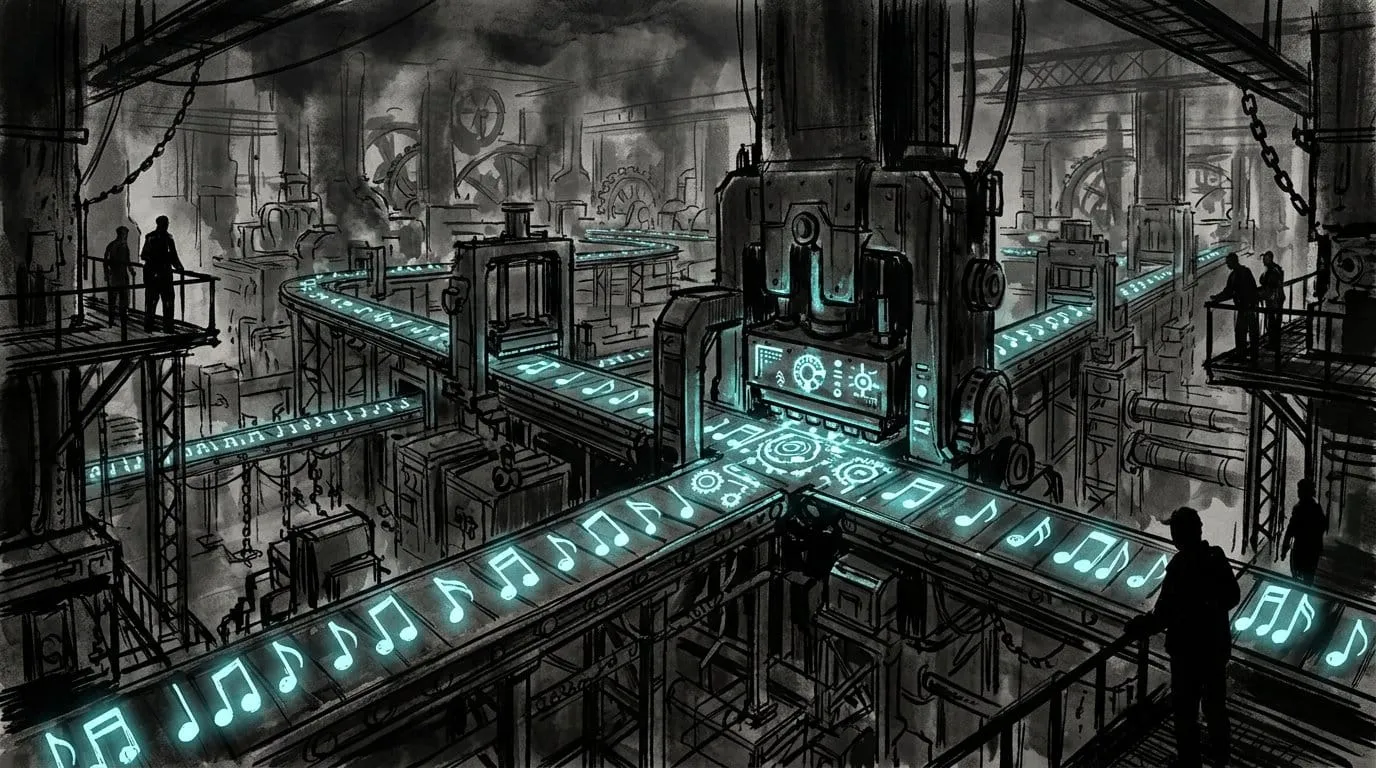
A major story recently broke regarding Suno, one of the biggest names in the generative AI music space. A significant hack of the company’s source code has revealed exactly how their AI models were built. According to reports, the startup trained its systems by scraping millions of songs and lyrics from popular platforms like YouTube Music, Deezer, and Genius.
The leak shows an ingestion pipeline that used over 2 million clips from YouTube. It also included tens of thousands of hours of audio taken from various streaming services and stock music libraries. This discovery is a big deal because it confirms what many in the industry suspected: these powerful AI tools are often built using copyrighted material without the original creators' permission. While Suno has defended its actions as fair use, the scale of the scraping has sparked a heated debate about the rights of artists and songwriters.
A New Era of Transparency
As AI-generated tracks become more common, the music industry is looking for ways to keep fans informed. A coalition of major organizations, including the RIAA, IFPI, and the Recording Academy, has introduced a new voluntary labeling system. This initiative is designed to identify AI-generated music and AI-assisted music.
The goal is to provide transparency for listeners. Under this system, tracks will be clearly marked if generative AI created the primary part of the recording or the lead vocals. This helps fans know whether they are listening to a human performer or a computer-generated voice. By creating a standard way to label these songs, the industry hopes to build trust with audiences while still allowing for technological innovation.
Suno’s Response to Labeling
In response to the RIAA and the industry's new labeling plans, Suno has made a transparency pledge. The company stated that it supports the idea of being open about how music is made. They are currently investing in watermarking and audio fingerprinting tools to help identify music made with their platform.
Even though Suno is working on these transparency tools, they are still in a legal battle with major record labels. The company continues to argue that using existing music to train their AI falls under fair use laws. This means they believe they should be allowed to use the data to create something new without paying for every single song used in the training process.
The Shift Toward Licensed AI
While some companies are fighting in court, others are choosing a different path. Udio, a major competitor to Suno, has recently solidified licensing deals with some of the biggest names in the business. After reaching a settlement with Universal Music Group, Udio has now finalized broader agreements with Warner Music and the independent group Merlin.
These deals mark a significant shift for the AI generator. By securing licenses, Udio is moving toward a model where they pay for the music they use to train their systems. This contrasts sharply with the ongoing litigation faced by other startups. For many, this suggests that the future of AI music might rely on partnerships between tech companies and traditional record labels rather than legal battles.
Advanced Tools for Creators: ElevenLabs Music v2
On the creative side, the technology is becoming more powerful and affordable. ElevenLabs has officially rolled out its Music v2 model, which brings several groundbreaking features to the table. One of the most exciting updates is the ability to handle complex genre transitions within a single track. This means a song could start as a jazz piece and smoothly morph into electronic dance music.
In addition to genre blending, the new model allows for the integration of non-musical SFX (sound effects). This is a huge win for content creators who need specific sounds for videos or commercial projects. To make these tools even more accessible, ElevenLabs has also introduced significant price reductions for its API and creative platforms. They are clearly aiming to capture a larger share of the professional music market by making high-quality AI tools cheaper and more versatile.
Streaming and Discovery in the AI Age
It isn’t just the creation of music that is changing; it is also how we listen to it. YouTube Music is ramping up tests for a new feature called the AI music host. This feature acts like a digital radio personality, injecting AI-generated commentary, trivia, and stories between tracks in a playlist.
This move by YouTube Music is a direct challenge to Spotify and its popular AI DJ. It shows that streaming platforms are moving toward more contextual, voice-driven experiences. Instead of just a list of songs, listeners get a curated experience that feels more like a traditional broadcast, but tailored specifically to their tastes.
SoundCloud’s Strategy for Artists
SoundCloud is also leaning heavily into artificial intelligence, but with a focus on helping emerging artists. CEO Eliah Seton recently outlined the company’s strategy, which includes using machine learning to help artists find their “next 10,000 fans.” By analyzing listening patterns, SoundCloud can connect creators with the people most likely to love their music.
Interestingly, Seton also discussed the use of an AI boardroom. This is a system that simulates decision-making processes to help the company navigate the complex music landscape. By positioning itself as a creator-first platform, SoundCloud is using AI not just to generate sounds, but to build careers and improve how the business itself is run.
Looking Ahead
The music industry is currently in the middle of a massive transformation. We are seeing a tug-of-war between the rapid growth of technology and the need to protect the rights of human artists. While the Suno hack highlights the controversies of the past, the licensing deals made by Udio and the new tools from ElevenLabs point toward a more structured future.
As listeners, we can expect more transparency thanks to new labeling systems and more interactive experiences on platforms like YouTube Music. Whether AI is being used to find new fans on SoundCloud or to create complex genre-bending tracks, one thing is certain: the way we experience music will never be the same. The focus moving forward will be on finding a balance where technology empowers creators without leaving them behind.
Sources: Suno Source Code Hack Reveals Massive Training Data Scraping, Music Industry Unites Behind New Voluntary AI Labeling System, Suno Responds to Industry Labeling Initiative with Transparency Pledge, YouTube Music Expands Testing of Experimental 'AI Music Host', ElevenLabs Music v2 Introduces Advanced Genre Transitions and SFX, SoundCloud CEO Outlines AI Strategy for Artist Discovery and Governance, Udio Solidifies Licensing Deals with Major Labels and Merlin