The New Rules of Music: How AI Labeling and Royalties Are Changing
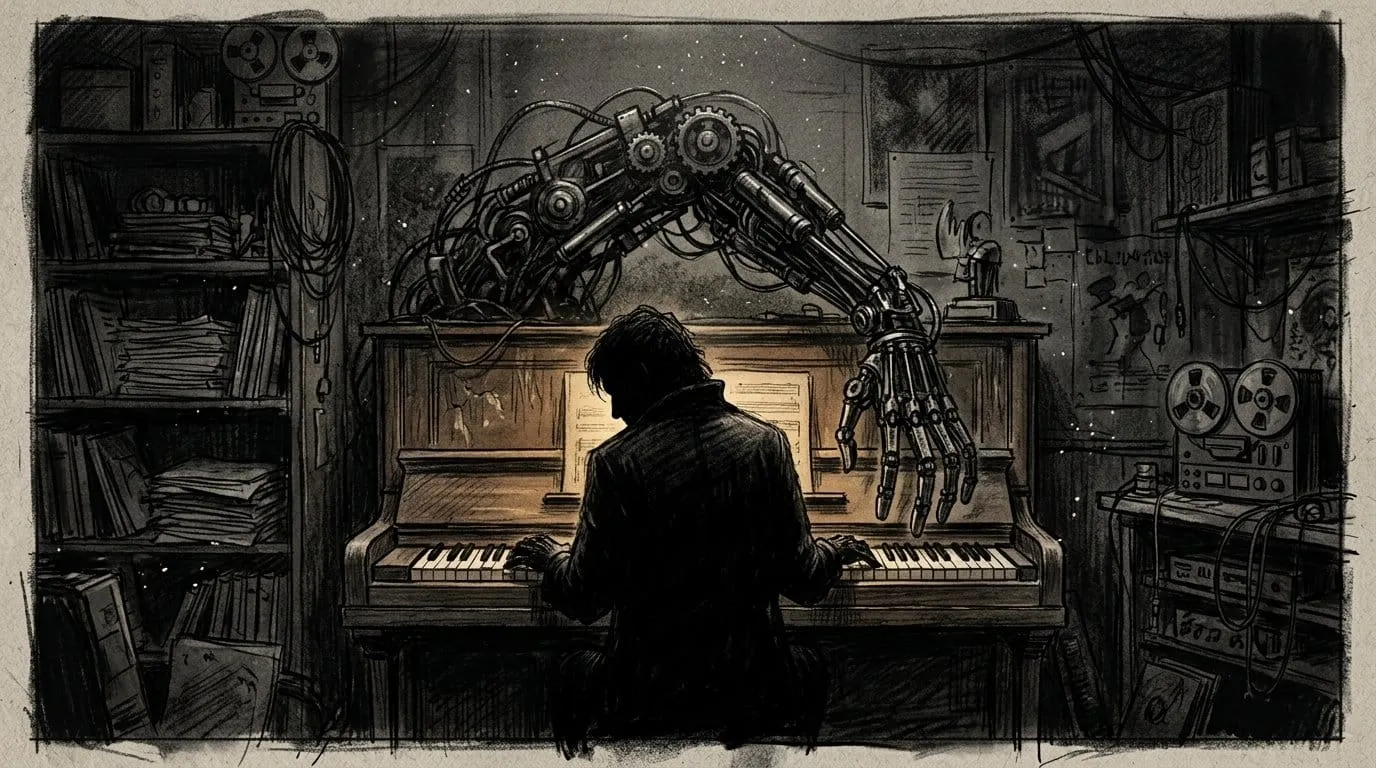
While computers have helped people make music for a long time, new tools can now create entire songs from just a few words. This has started a big conversation about what is real and what is made by a machine. To help listeners and artists, several global groups and companies are setting new rules to make sure everyone knows exactly how their favorite songs were made.
Knowing What You Hear: The New AI Labeling System
When you buy food at the store, you look at the label to see what is inside. Soon, you might do the same thing with your playlists. A powerful group of music organizations, including the RIAA (Recording Industry Association of America), the IFPI, and the Recording Academy, has launched a new project to label music. This system is voluntary, which means companies choose to use it, but it is expected to become a major standard across the globe.
This system uses two main labels: AI-Generated and AI-Assisted. The goal is to create transparency for everyone. If a song was made entirely by a computer program, it gets the "AI-Generated" tag. If a human artist wrote the song but used AI tools to help with the sound or the mix, it is called "AI-Assisted." This helps fans understand the level of human creativity involved in the tracks they stream every day.
Even companies that make AI tools are getting on board. Suno, a popular AI music startup, has publicly supported this labeling idea. They believe that being honest about how music is made is the best way for the industry to grow. While Suno is currently facing some legal challenges, they agree that listeners deserve to know the truth about the content they consume.
Tidal Changes the Way Artists Get Paid
One of the biggest questions in the music business is how money is shared. Streaming platforms like Tidal pay royalties to artists based on how many people listen to their songs. However, a major change is coming this summer. Starting July 15, Tidal will stop paying royalties for tracks that are determined to be fully AI-generated.
This move is designed to protect human creators. Right now, the internet is being flooded with thousands of songs made by machines using simple prompts. These tracks are often very cheap to make, and they can crowd out music made by real people who spend years learning their craft. By cutting off payments for machine-only music, Tidal is making a statement that human artistry has a special value that technology cannot replace.
The BBC and the Human Touch
It is not just streaming services making changes; major broadcasters are also taking a stand. The BBC recently shared its new official policy regarding Artificial Intelligence. The BBC has decided that it will always prioritize "meaningful human creativity" on its radio stations and platforms.
While the BBC is not going to ban music that uses AI, they are asking for total honesty. They want record labels and artists to tell them exactly which tools were used during production. This ensures that the music you hear on the radio still has a human heart behind it. The policy makes it clear that while AI can be a helpful tool, it should not be the one in charge of the art.
John Legend and the Ethics of AI
At a recent global summit organized by the United Nations, famous singer and songwriter John Legend joined tech leaders to talk about the future. He sat on a panel with executives from Universal Music Group, Udio, and NVIDIA at the "AI for Good Global Summit." The discussion was not just about how cool the technology is, but how we can use it ethically.
John Legend and the other experts talked about a concept called humanism. This means that as we build faster and smarter computers, we must make sure they serve people rather than replacing them. The panel discussed how AI should be a tool that helps an artist's vision come to life, much like a guitar or a piano, rather than a machine that writes and performs without any human input. The goal is to keep the "soul" in music while still exploring new ways to create.
The Legal Battle: Suno vs. The Music Industry
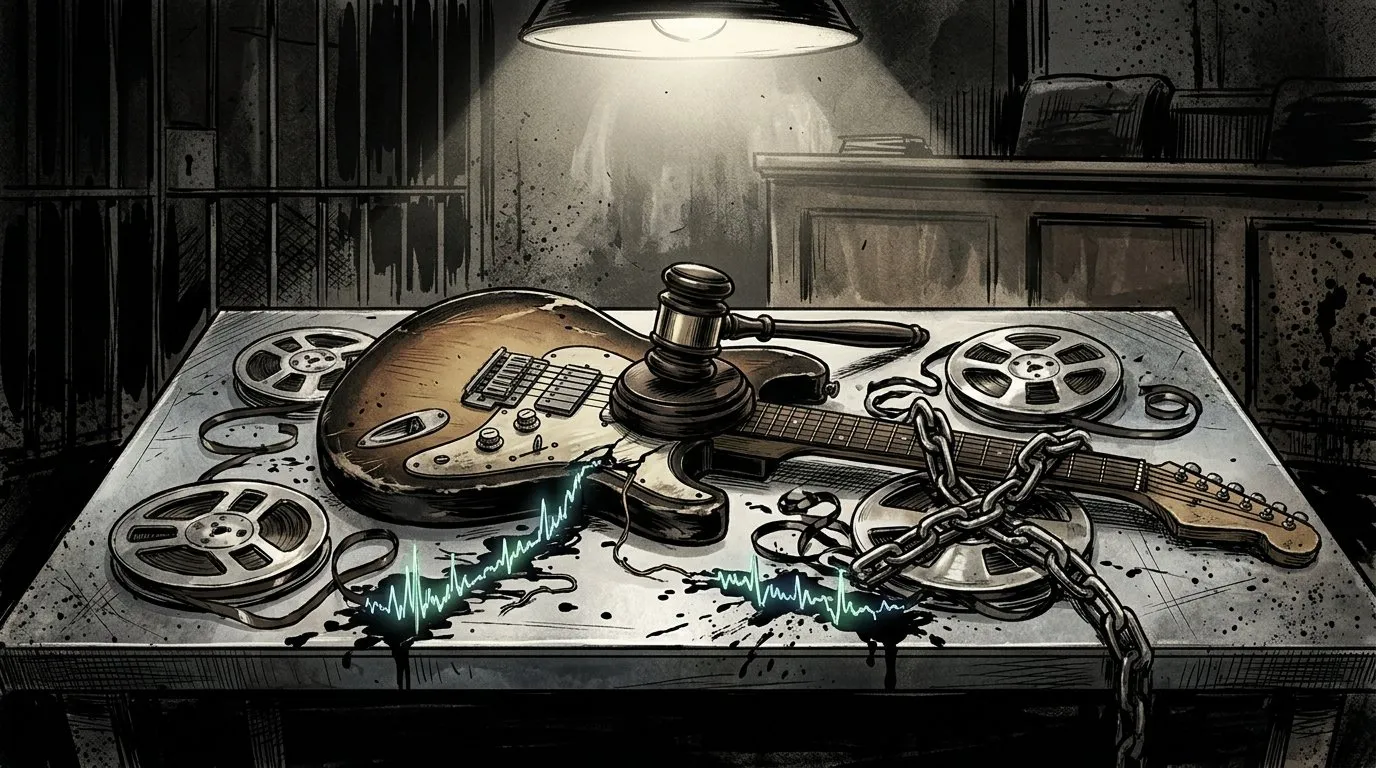
While many people are working together, there are still some big disagreements that need to be settled in court. Suno is currently in the middle of a high-stakes lawsuit with major labels like Sony and UMG (Universal Music Group). The labels argue that AI companies used copyrighted music to train their systems without permission.
This is not just happening in the United States. In Germany, a very important court case is reaching its conclusion. The group GEMA, which protects the rights of songwriters in Germany, is suing Suno as well. A verdict from the Munich District Court is scheduled for July 31. This ruling will be a landmark moment because it will help define the legal boundaries for how AI companies can use existing music catalogs in the European Union.
Looking Ahead
The next few months will be a turning point for the music industry. With Tidal's new payment rules starting in July and the court verdict in Munich at the end of the month, the "wild west" era of AI music is coming to an end. We are moving toward a world where humans and machines might work together, but where the human artist remains the star of the show. By using labels, protecting royalties, and setting clear legal rules, the industry is trying to ensure that the music we love stays authentic and fair for everyone involved.
Sources: Global Music Industry Coalitions Launch Standardized AI Labeling System, Tidal to Cease Royalty Payments for Fully AI-Generated Tracks, John Legend and Tech Leaders Debate AI Ethics at UN Global Summit, BBC Establishes New AI Music Policy Prioritizing Human Artistry, Suno Backs Transparency Initiative Amid Ongoing Copyright Litigation, Landmark GEMA v. Suno Verdict Scheduled for Late July in Munich