Apple Music and YouTube Music Take On the AI Music Wave
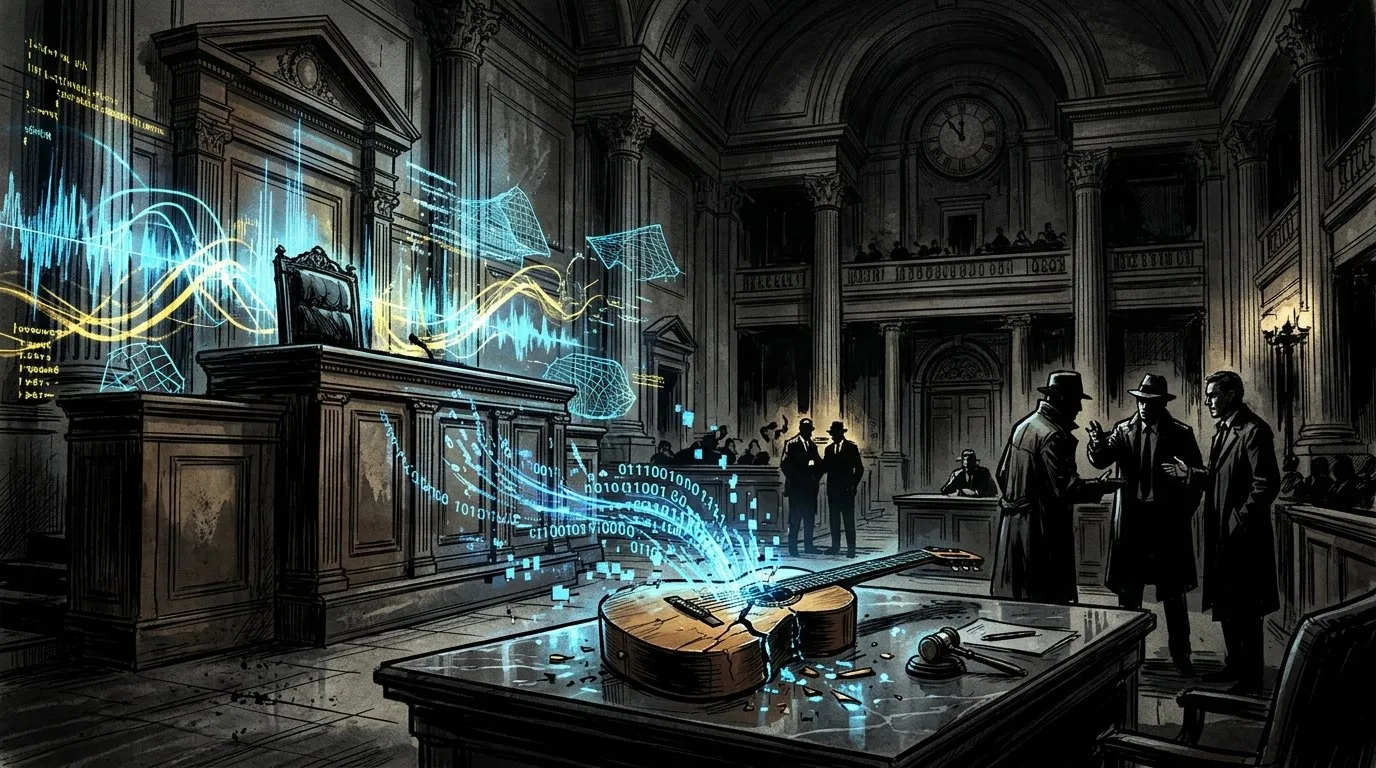
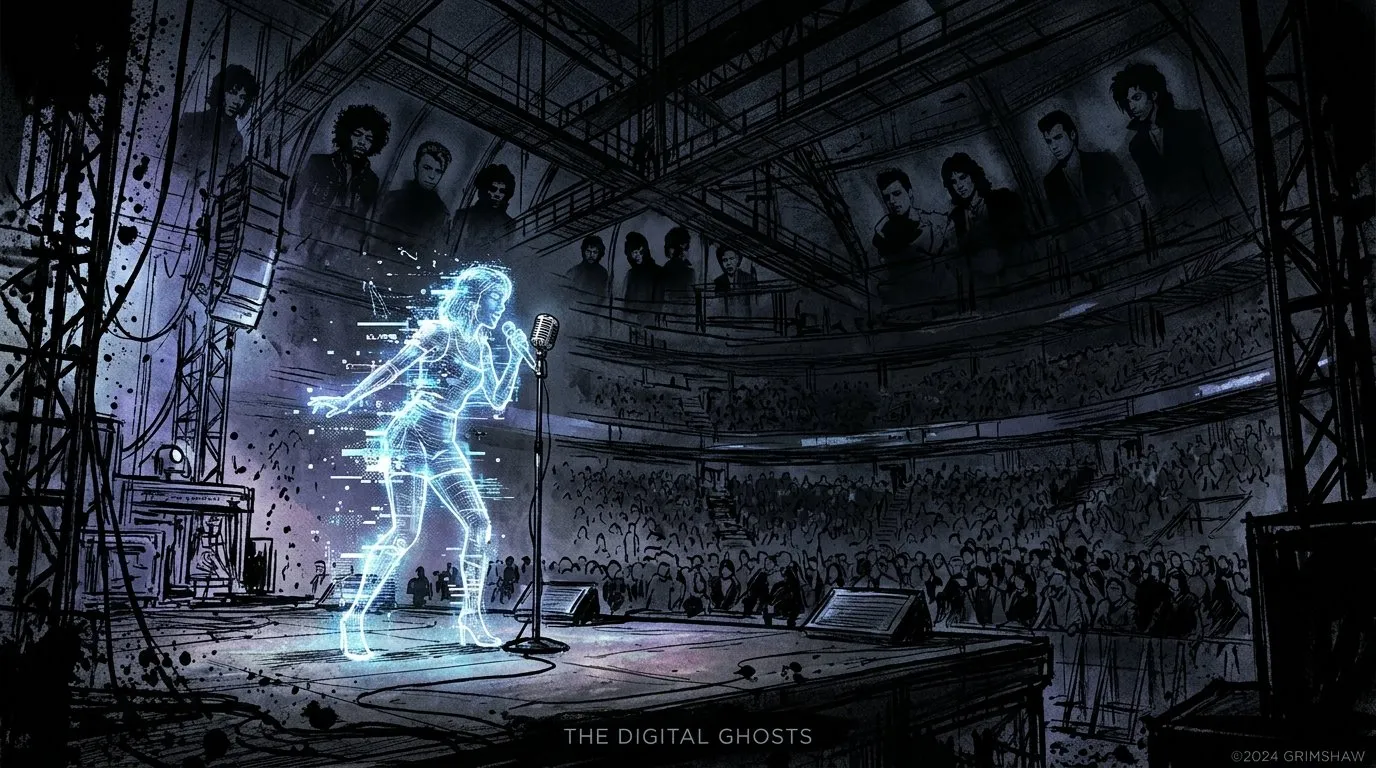
The music industry is entering an unpredictable chapter where creative software and federal courtrooms collide. As artificial intelligence transforms how songs are made, major streaming platforms find themselves caught right in the middle. From high-stakes legal battles to new transparency features on your phone screen, streaming services are scrambling to keep up with the rapid rise of synthetic sound.
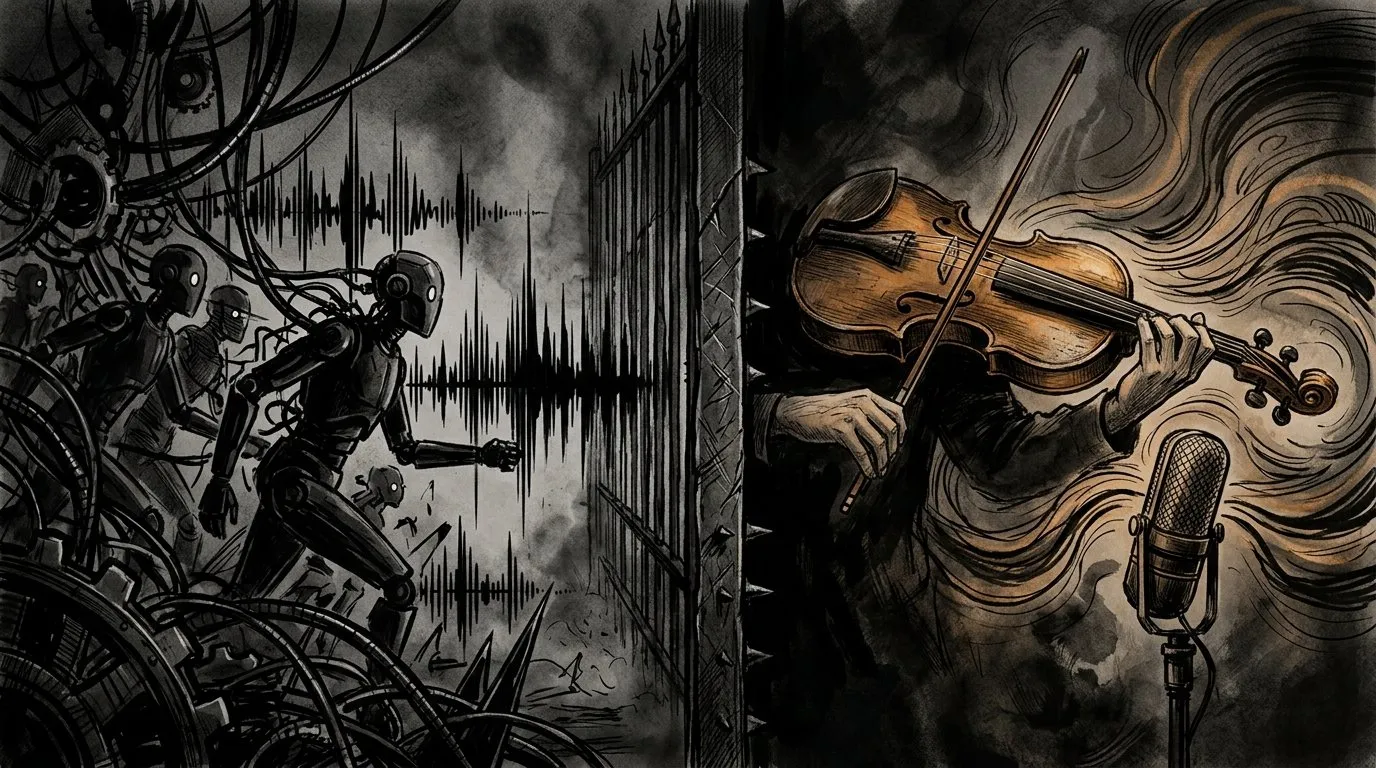
Two major developments have placed streaming giants front and center in the AI conversation. In one corner, Apple Music is pushing back against legal demands tied to a massive copyright lawsuit against generative AI startup Suno. In the other, YouTube Music is rolling out clear labels on songs made with artificial intelligence to give everyday listeners complete transparency. Together, these moves show how the music ecosystem is trying to balance cutting-edge tech with basic fairness for human creators.
Apple Music Drawn Into the Suno Legal Fight
The legal drama surrounding generative music reached a boiling point when major record labels took direct action. Industry heavyweights Universal Music Group and Sony Music filed federal copyright lawsuits against Suno, one of the most popular AI music generators in the world. The record labels claim that Suno trained its models by copying vast libraries of copyrighted recordings without permission.
As the case moves forward, the legal battle has spilled over to third-party companies. Apple Music found itself pulled into the fight after receiving subpoenas demanding depositions from its team. In response, Apple filed legal petitions resisting those deposition demands. Apple explained that it had already cooperated by providing granular data showing how often Suno-generated tracks appear on its service and how the platform detects them.
Apple's argument is straightforward: it has already handed over useful data about synthetic tracks in its catalog, so forcing its staff to sit through depositions goes too far. The dispute highlights how difficult it is for streaming services to stay neutral when major labels and AI developers go to war.
The Core Question of Fair Use
At the heart of the Suno litigation is a legal debate that could reshape the entire music business. Generative AI tools require massive amounts of data to learn how to compose melodies, build drum loops, and generate realistic vocals. Suno and similar companies argue that training computer models on existing works falls under the legal doctrine of fair use.
Major record companies strongly disagree. They argue that scraping protected sound recordings to build a commercial product that directly competes with human artists is straightforward copyright infringement. Because the outcome of this lawsuit could set a legal precedent for all creative industries, every piece of catalog data—including the detection numbers provided by Apple Music—carries enormous weight in court.
YouTube Music Introduces Public AI Labels
While Apple handles legal petitions in the courtroom, YouTube Music is addressing artificial intelligence directly in its consumer app. The streaming service has begun rolling out public labels for songs created using generative AI tools.
When listeners browse or play tracks on YouTube Music, these tags clearly indicate whether a song was created using synthetic tools. This update is designed to bring much-needed clarity to audiences who want to know who—or what—is behind the music coming through their headphones.
Undisclosed AI tracks have become a growing headache across digital service providers. Thousands of computer-generated songs are uploaded daily, often disguised as traditional recordings by independent artists. Without proper tagging, automated creations can slip into recommendation algorithms and editorial playlists, competing directly with real artists for plays and royalty payouts.
Testing Machine Learning Detection
Slapping a label on a song requires knowing it was made with AI in the first place. To make the system work, YouTube Music is testing advanced machine learning detection mechanisms capable of analyzing audio files to identify synthetic elements.
These automated detection systems analyze audio patterns, digital artifacts, and metadata to flag synthetic music before or after it reaches public listeners. Relying solely on uploaders to voluntarily check a box that says "Made with AI" is rarely enough. By combining automated detection with clear consumer badges, YouTube Music hopes to build an honest catalog where human musicians and digital experiments can coexist transparently.
The Fight for Fair Royalties and Catalog Transparency
Why are record labels and streaming platforms paying so much attention to AI tracks right now? The answer comes down to money, catalog integrity, and the value of human artistry.
Music streaming services operate on a pooled royalty model. In this setup, all subscription and advertising revenues are combined into a central fund and distributed based on a track's share of total plays. When undisclosed AI tracks rack up millions of streams, they siphon money away from human musicians, songwriters, and producers.
By tracking the prevalence of Suno tracks, Apple Music gives the industry real-world data on how much synthetic music is actually spreading through commercial catalogs. Meanwhile, the labeling system from YouTube Music ensures that listeners can make conscious choices about the music they support. Together, these efforts show an industry moving toward better metadata tracking and stronger accountability.
Looking Ahead
The actions taken by Apple Music and YouTube Music mark the start of a long transition period for digital audio. Over the coming months, the legal fight between Suno, Universal Music Group, and Sony Music will likely provide crucial answers about what AI companies can and cannot do with copyrighted music catalogs.
At the same time, clear labeling will almost certainly become standard across all major streaming apps, from Spotify to Amazon Music. Listeners will gain the power to filter their libraries, while artists will receive stronger protections against unauthorized clones and synthetic clutter. The future of sound is arriving at breakneck speed, but the industry is making it clear that transparency and copyright law must guide the way forward.
Sources: Apple Music Fights Suno Subpoena in Major Label Copyright Lawsuit, YouTube Music Begins Rolling Out AI-Generated Song Labels