Massive Lawsuits, Apple Deals, and Virtual Stars
From multi-million dollar courtroom clashes to brand-new studio software and virtual pop stars singing on live television, technology is reshaping how we create, consume, and protect art. As the boundary between human imagination and machine learning blurs, creators, tech giants, and fans are asking tough questions about what the future of sound should look like.
The Legal Battles Heat Up Over Copyright and Training
For months, musicians and record companies have wondered how generative AI companies train their systems to produce realistic songs. Now, those questions are turning into high-stakes legal battles in federal courts.
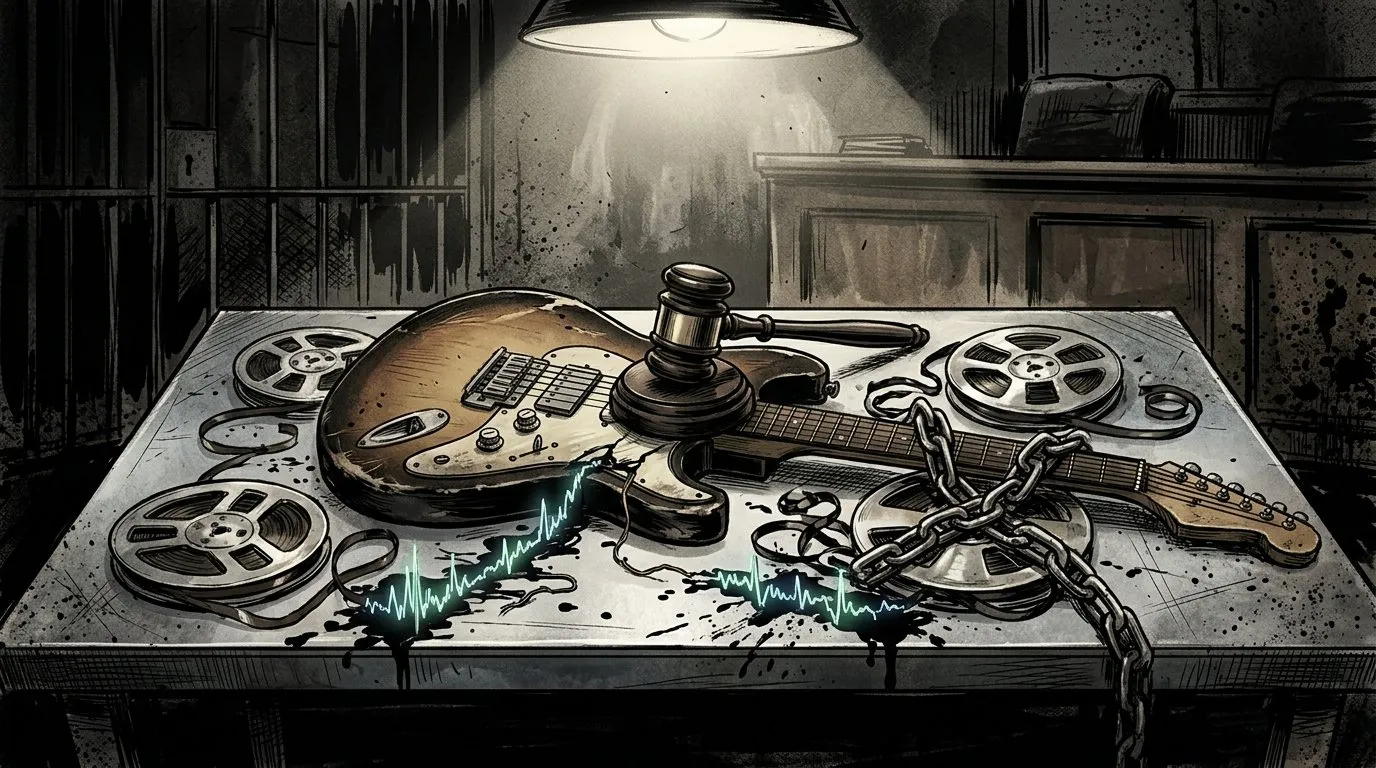
Independent music publisher Reservoir Media has launched a massive $157.5 million copyright lawsuit against AI music creator Suno. The lawsuit claims Suno scraped and trained its commercial models on 1,050 copyrighted recordings without permission. Reservoir argues that Suno built a business off the back of human musicians without paying for the rights. This battle represents one of the largest financial challenges yet for generative audio platforms.
At the same time, classic music catalogs are also stepping into the ring. Authentic Brands Group, the company that manages the legacy and intellectual property of Elvis Presley, has filed a federal copyright lawsuit against frontier AI company Anthropic. The complaint alleges that Anthropic trained its Claude language and AI models on 274 songs from Presley's legendary catalog without consent or a proper license.
These lawsuits highlight a growing conflict across the music business. Tech companies want access to vast amounts of audio and lyrical data to make their models smarter. On the other hand, rights holders argue that taking art without a license is simple copyright infringement.
Cleaning Up Streaming: Spotify Takes on AI Slop
While lawyers battle in courtrooms, streaming platforms are trying to keep their listener feeds clean. Millions of cheap, automated audio tracks have flooded online platforms over the past year, creating what many industry insiders call "AI slop."
To address this growing issue, Spotify has officially purged more than 50 million low-quality AI-generated spam songs from its recommendation feeds. These tracks are often uploaded in bulk to game recommendation algorithms and siphon streaming royalties away from real working artists.
In addition to the massive cleanup, Spotify is expanding its AI persona badge system. These badges make it clear when a profile belongs to a completely synthetic creator. As audiences become more frustrated with deceptive and unlabeled tracks, platforms are realizing that transparency is essential to keep trust alive between listeners and creators.
Smarter Workflows: Apple Moves Deeper into Music Tech
Not all developments in artificial intelligence are about replacing human artists. Some of the most exciting tools aim to give producers better control over their creative projects.
Apple has officially acquired the AI music editing startup Samplab. This purchase points toward major upcoming upgrades for Logic Pro, Apple’s flagship digital audio workstation. Samplab is known for its neural stem manipulation technology. This breakthrough allows music makers to open an existing audio recording and alter individual notes, chords, and melodies without creating messy audio glitches or artifacts.
Instead of generating a song out of thin air with a text prompt, tools like Samplab act like a supercharged audio assistant. Producers can fix out-of-tune guitar samples, tweak harmonies in vocal lines, and reshape musical ideas faster than ever before. By bringing Samplab directly into the Apple ecosystem, the company shows that it sees machine learning primarily as a creative partner for human producers.
Virtual Pop Stars Step Onto the Main Stage
While Apple focuses on production tools, the entertainment world is testing how audiences react to fully virtual artists. In South Korea, that idea just stepped out of experimental tech demos and onto live television.
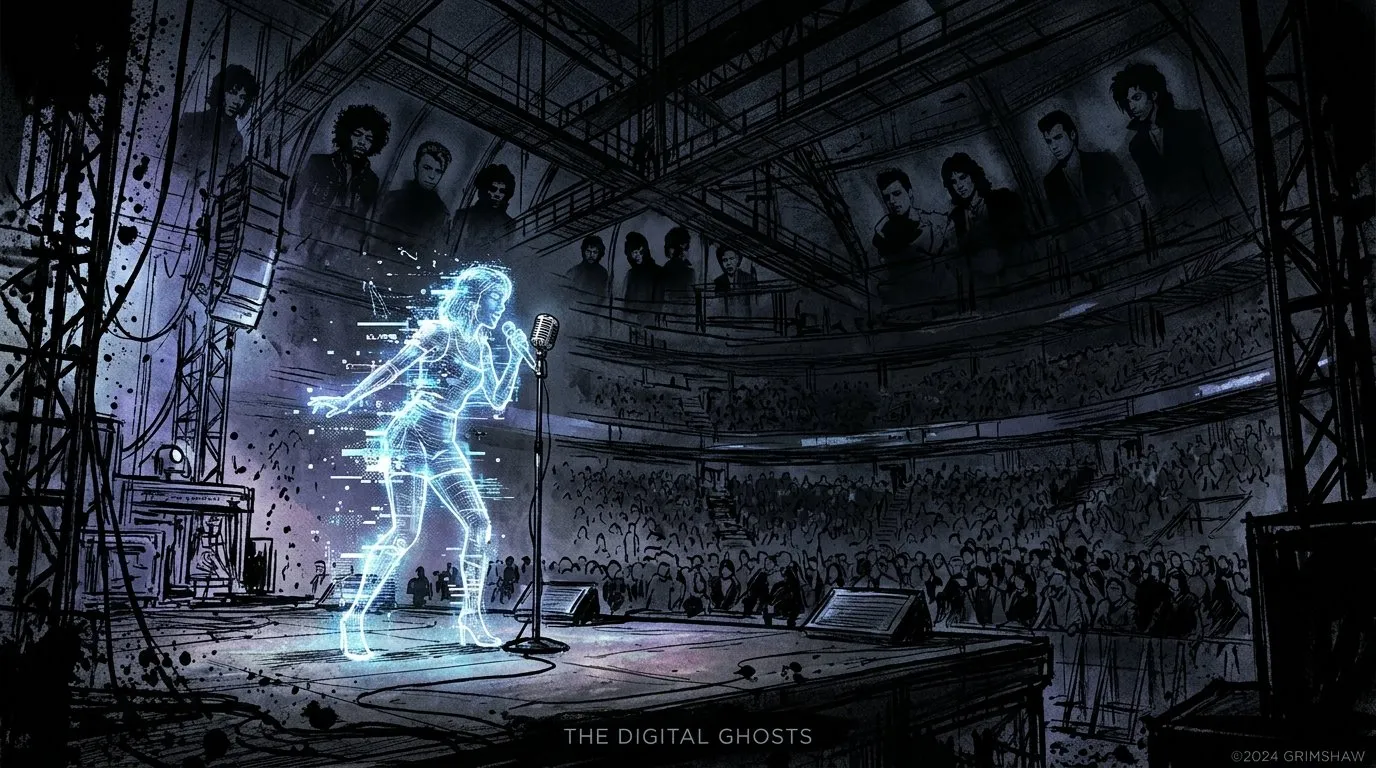
An autonomous AI agent singer named RŌSIEN made her official debut performance on the major television music show SBS Inkigayo. Rather than being a simple cartoon avatar backed by human session singers, RŌSIEN represents a new wave of interactive synthetic pop performers. Making it onto a premier weekly music show signals that virtual idols are becoming an accepted part of modern entertainment culture.
Watching a virtual singer share the stage with live human idol groups proves how fast synthetic performance technology is maturing. It also shows that the global audience for AI-assisted entertainment is expanding beyond niche online communities into mainstream television.
The Human Cost: Industry Leaders Speak Out
Despite the excitement around new tools and virtual idols, many leaders in the music community remain deeply concerned about the economic future of creators.
During Billboard Latin Music Week, Cristina Perpiñá-Robert, the Director General of Spanish rights society SGAE, delivered a stern warning. She argued that current copyright adjustments are moving too slowly to protect human composers. If commercial production companies start choosing cheap, machine-generated tracks over human work for commercials, films, and background music, working composers could face an existential career crisis.
Yet, other audio veterans believe machine generation will always have clear creative limits. Daniel Sennheiser, co-CEO of audio brand Sennheiser, shared his thoughts on the natural boundaries of the technology. He pointed out that AI models inherently lack true emotional resonance, life experience, and original human intent. Because algorithms can only rearrange patterns from songs that already exist, he argued that AI should be developed strictly as an assistive tool to help audio engineers and mixers, rather than a total replacement for songwriters.
Looking Ahead
Music and technology have walked hand in hand for decades, from the invention of electric guitars and synthesizers to digital recording. Yet today's AI transformation feels fundamentally different. The industry is balancing between two distinct paths: one where algorithms generate synthetic tracks with the click of a button, and another where machine learning empowers producers to edit and polish their genuine human ideas.
As the lawsuits against Suno and Anthropic move forward, courts will likely establish brand-new rules for how artificial intelligence interacts with creative rights. In the meantime, platforms like Spotify are guarding against spam, while hardware and software leaders like Apple build practical tools for the studio. The coming months will determine whether generative audio becomes a shortcut that sidelines human artists or a powerful new canvas that helps them reach new creative heights.
Sources: Reservoir Media Sues AI Music Startup Suno for $157.5 Million, Elvis Presley Estate Sues Anthropic Over AI Training on 274 Songs, Spotify Purges 50 Million AI Slop and Spam Songs from Recommendations, Apple Acquires AI Music Startup Samplab for Logic Pro Integration, Spanish Rights Society SGAE Warns AI Could Displace Human Creators at Billboard Latin Week, Sennheiser CEO Daniel Sennheiser Outlines Limits of AI in Music, AI Agent Artist RŌSIEN Debuts on South Korea's SBS Inkigayo