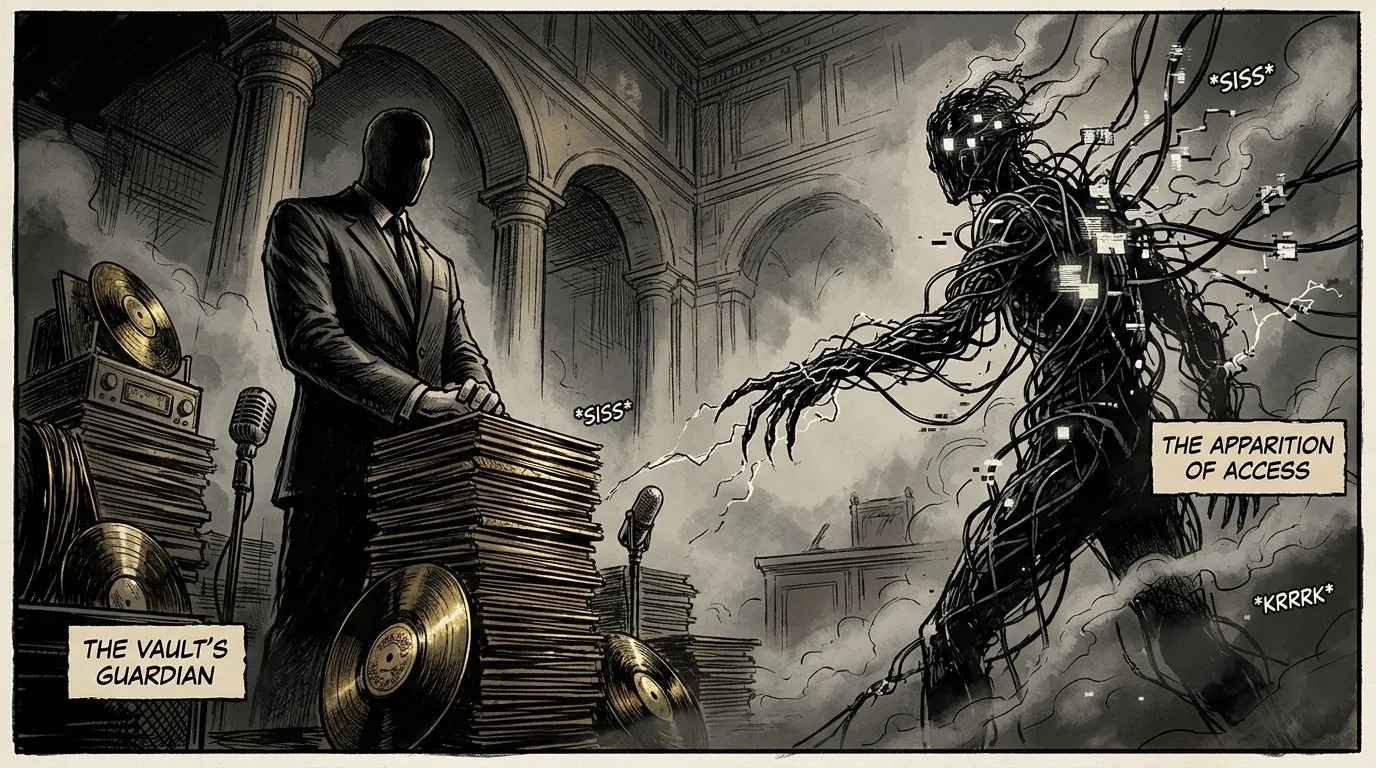
Flawed Detectors, New Rules, and Major Label Deals
The music industry stands at a pivotal crossroads where artificial intelligence offers immense creative potential while simultaneously sparking complex copyright and detection challenges. From mobile editing breakthroughs to regulatory frameworks, technological changes are reshaping how tracks are made, shared, and protected. Understanding these shifting dynamics is crucial for creators, listeners, and industry leaders navigating the evolving landscape.
The False Positive Trap: When AI Detectors Flag Human Artists
As streaming platforms and music aggregators scramble to prevent automated spam from flooding digital storefronts, their defense mechanisms are causing collateral damage. Widespread deployment of automated AI music detection tools has triggered a wave of false positives against genuine human creators. Instead of stopping computer-generated copycats, these scanning algorithms are misidentifying real artists and freezing their careers in the process.
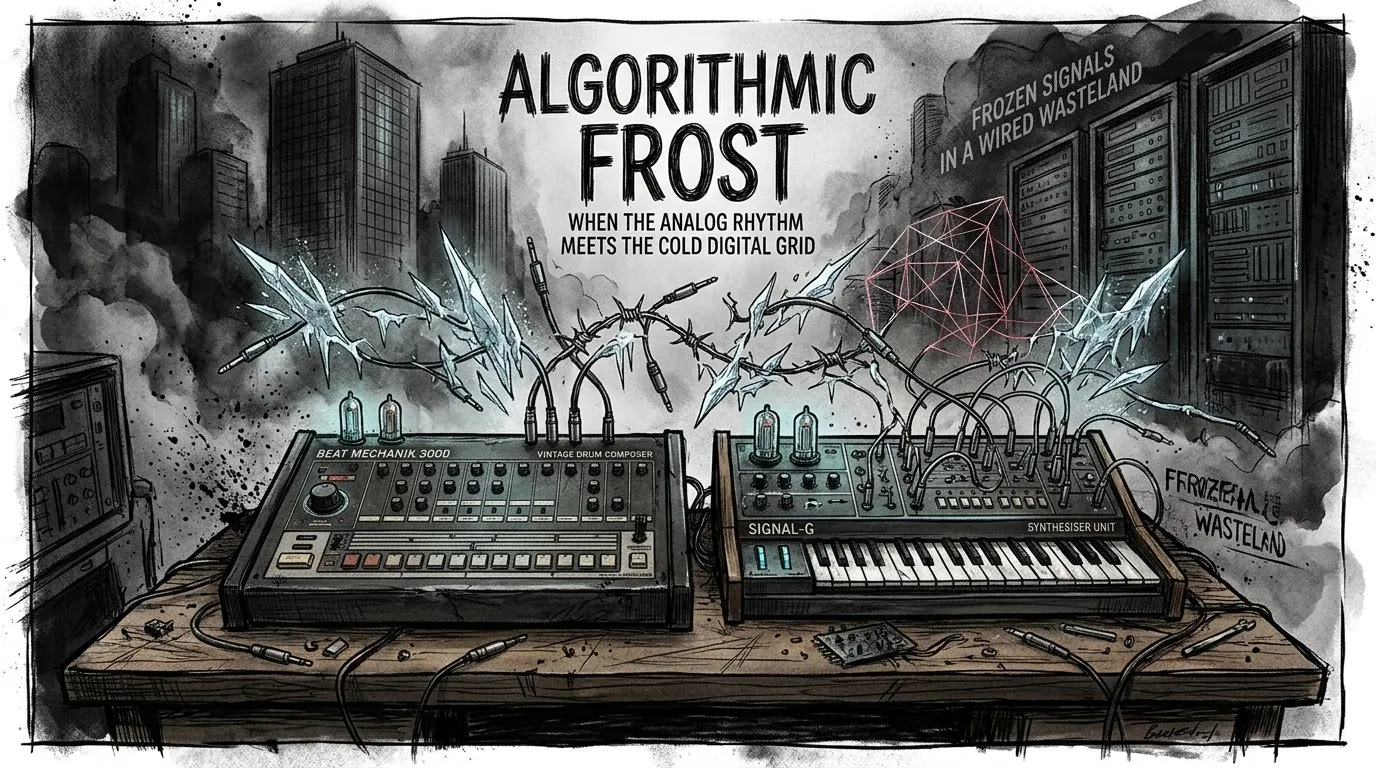
Independent musicians working in synthesizer-heavy styles are taking the hardest hit. Producers in genres like synth-pop, post-punk, and 1980s electro rely heavily on quantized drum machines, repetitive step sequences, and synthetic soundscapes. To a blunt detection algorithm, the mechanical precision of an analog sequencer sounds almost identical to the output of a modern generative algorithm. Because the scanner cannot tell the difference between a creative stylistic choice and machine code, it labels authentic human recordings as artificial.
The Real Costs for Indie Musicians
For an independent creator, an automated red flag is not just an inconvenience. It carries serious financial and emotional consequences:
- Deplatforming: Songs can be taken down from streaming services overnight without warning.
- Withheld Royalties: Streaming platforms often freeze royalty payouts when suspicious activity is suspected, stripping artists of their primary income.
- Loss of Momentum: Algorithmic playlist placements and listener data vanish, making it almost impossible to regain lost promotional ground.
- Burden of Proof: Artists face long appeals processes where they must prove they actually wrote, recorded, and played their own instruments.
This breakdown in trust highlights the dangerous flaws of rushing automated policing tools into active service before they can reliably respect artistic nuance.
Setting the Ground Rules: The Manchester Principles
While automated tools misjudge music on digital storefronts, industry leaders in the United Kingdom are tackling generative technology from the policy side. Convening at the Beyond The Music conference in Manchester, artists, music trade representatives, and government officials came together to establish a unified governance framework known as The Manchester Principles.
This new initiative aims to establish clear ground rules for how tech firms build, train, and commercialize generative audio systems. Rather than reacting defensively after systems are deployed, the framework establishes a proactive roadmap designed to protect human creativity.
Core Pillars of the Manchester Principles
The framework rests on several straightforward, ethical requirements:
- Explicit Licensing and Consent: Technology companies must obtain direct permission from copyright holders before using creative catalogs to train AI models.
- Transparent Data Provenance: Model developers must maintain open records showing the exact audio and metadata used in training datasets.
- Fair Attribution: Human artists whose styles or works inform generative tools must be properly credited.
- Guaranteed Remuneration: Creators must receive fair payment when their proprietary art helps power commercial AI tools.
By securing support across the UK music sector, The Manchester Principles set a benchmark for future legislation worldwide. The initiative emphasizes that technological advancement must not come at the expense of creator ownership and economic sustainability.
Creative Enablement: Adobe Integrates Firefly and Major Labels
While regulatory discussions progress in Europe, creative software developers are proving that legitimate, commercial music licensing can coexist with cutting-edge technology. In a major update to Adobe Premiere Mobile, the creative giant announced native access to pre-cleared tracks from industry powerhouses Universal Music Group and Warner Music Group.
Alongside licensed major-label music, the mobile editing app introduced audio tools powered by Adobe Firefly. This combination allows video creators to enhance dialogue, clean up noisy room audio, and apply studio-quality mastering effects directly on mobile devices, all while scoring videos with genuine, licensed hits.
Bridging the Gap for Creators
For millions of social media creators and video editors, finding usable background music has long been a headache. Unofficial tracks frequently lead to takedown notices, muted audio, or blocked videos. By working directly with Universal Music Group and Warner Music Group, the platform ensures creators can access legitimate commercial tracks without risking copyright strikes.
At the same time, integrating Adobe Firefly audio features demonstrates how artificial intelligence can support creators rather than replace them. Instead of fabricating synthetic songs, the software uses machine learning to clean up vocal tracks, remove background hums, and balance mixes. It represents an authorized, productive use of technology that respects intellectual property while simplifying production workflows.
Looking Ahead: Balancing Innovation and Protection
The contrast across the music world right now reveals both the promise and the growing pains of technological disruption. On one hand, automated filters threaten innocent creators through reckless false positives, reminding us that machines still struggle with context. On the other hand, responsible frameworks like The Manchester Principles and licensed commercial integrations like Adobe Premiere Mobile prove that ethical pathways exist.
Moving forward, the industry must demand higher standards of accountability. Platforms cannot rely on blunt detection algorithms that punish human originality, especially in electronic and synthesizer-driven styles. Instead, developers and music executives must prioritize clear consent, proper attribution, and transparent training data. By building systems that empower artists rather than police them unfairly, the music community can embrace new tools while safeguarding the irreplaceable spirit of human artistry.
Sources: Rampant False Positives in AI Music Detectors Threaten Indie Artists, UK Music Sector Unveils 'The Manchester Principles' for Generative AI, Adobe Premiere Mobile Adds Firefly AI and Licensed Music from UMG and WMG