AI in Music Production: New Tools, Licensing, and Major Milestones
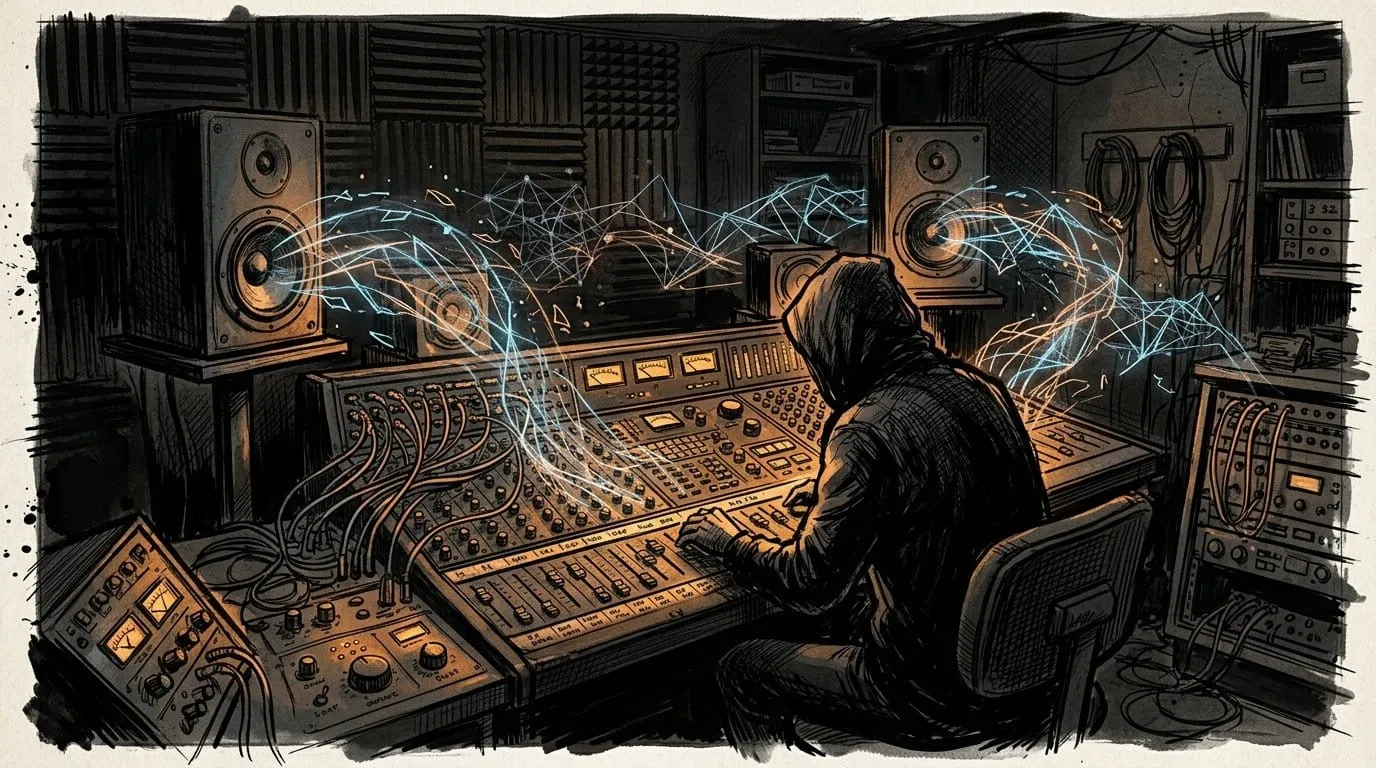
As creators and listeners adapt to these emerging AI tools, the music world is finding new ways to balance creative freedom with artist protection.
The Rise of AI Tracks in Modern Music Releases
Recent data shows just how quickly generative AI has spread across the independent music scene. A detailed analysis of more than one million songs released in July 2026 revealed that nearly 40% of uploaded tracks contained AI-generated or AI-modified audio elements. The study, conducted using the SH Labs detection tool developed by SubmitHub, highlights a dramatic shift in how songs are written, arranged, and produced.
While these numbers show high adoption among emerging creators, they also shine a spotlight on industry challenges. The study pointed out growing concerns regarding creator disclosure and provenance tracking. Many artists use AI to generate vocals, write instrumental backings, or polish their mixes without clearly labeling how those tracks were made. As digital streaming platforms fill up with hybrid human-AI content, music platforms and curators are seeking clearer ways to identify and catalog these creations.
Legendary Support: Dr. Dre Backs AI in the Studio
While some critics worry about the rise of automated music tools, legendary hip-hop producer Dr. Dre sees artificial intelligence as a natural step forward for modern beatmakers. In an interview with The New York Times, the iconic producer advocated for integrating AI into beatmaking and studio recording, urging creators not to fear technological disruption.
To put the debate into perspective, Dr. Dre compared modern generative algorithms to the early days of electronic music gear. When classic drum machines and synthesizers first arrived in recording studios, traditional musicians argued that electronic instruments lacked genuine soul and would destroy live performance. Instead, those instruments helped build entirely new genres, from hip-hop to modern electronic dance music. According to Dr. Dre, AI represents the next wave of studio equipment that can help producers experiment, speed up their workflow, and discover unexpected sounds.
Building Safe Frameworks for Licensing and Royalties
As generative tools grow more capable, the music business is developing legal systems to protect intellectual property. Music IP Holdings recently introduced a comprehensive patent and licensing framework designed specifically to govern generative AI music creation.
This framework provides a clear structure for responsible AI innovation, remixing, and cover generation. Instead of leaving creators and platforms in legal gray areas, the initiative works to ensure that original songwriters and performers receive fair royalties and rights protections when their work inspires AI models. Fast-growing AI platforms Udio and GRAI have signed on as the first adopters of this framework, showing that tech companies and copyright holders can work together to build sustainable creative ecosystems.
Commercial-Safe Creation: Adobe and Suno Set New Rules
Major creative tech companies are also refining their software to make AI audio safe, legal, and accessible for commercial projects.
Adobe Introduces the Firefly Music Model
Adobe expanded its creative ecosystem by announcing the general availability of generative audio features powered by the new Firefly Music Model. Designed specifically for video editors, content creators, and multimedia designers, the tool lets users generate background music and custom sound effects using simple text prompts.
Crucially, Adobe built the Firefly Music Model with commercial safety in mind. Everything created with the tool comes universally licensed for commercial use, removing fears of copyright strikes for video producers and advertisers who need quick, high-quality audio tracks.
Suno Overhauls Commercial Rights and Download Tiers
At the same time, popular AI music platform Suno announced a major update to its terms of service, taking effect September 3. The overhaul introduces structured download tiers and establishes strict rules for commercial permitted downloads.
These policy changes arrive right before Suno rolls out its next-generation music generation engine, which is being developed in collaboration with music industry partners. By setting clear boundaries on how generated tracks can be monetized, Suno is building a bridge between consumer-friendly generation and professional industry standards.
Looking Ahead: The Next Chapter of Music Creation
Music technology is entering a stage where experimentation meets accountability. With tools from Adobe and Suno making sound design more accessible, and frameworks from organizations like Music IP Holdings ensuring fair pay for rights holders, the creative community is building a sustainable path forward. When paired with the open-minded outlook of veteran producers like Dr. Dre, artificial intelligence stands to become another powerful instrument in the modern producer's toolkit rather than a replacement for human creativity.
Sources: Universal Music Group, SiliconANGLE, Ultimate Classic Rock, Consequence, MusicAI Zone