Suno Music AI: New Pro Tools, Voice Cloning, and Growing Controversy

Suno is quickly becoming a household name for anyone interested in making music with Artificial Intelligence. Whether you are a professional producer or just a hobbyist, the platform's latest updates are making it easier than ever to turn ideas into songs. However, as the company grows, it is also facing serious questions from the music industry about how it treats Human Artists.
The Next Level of Music Production: MILO-1080
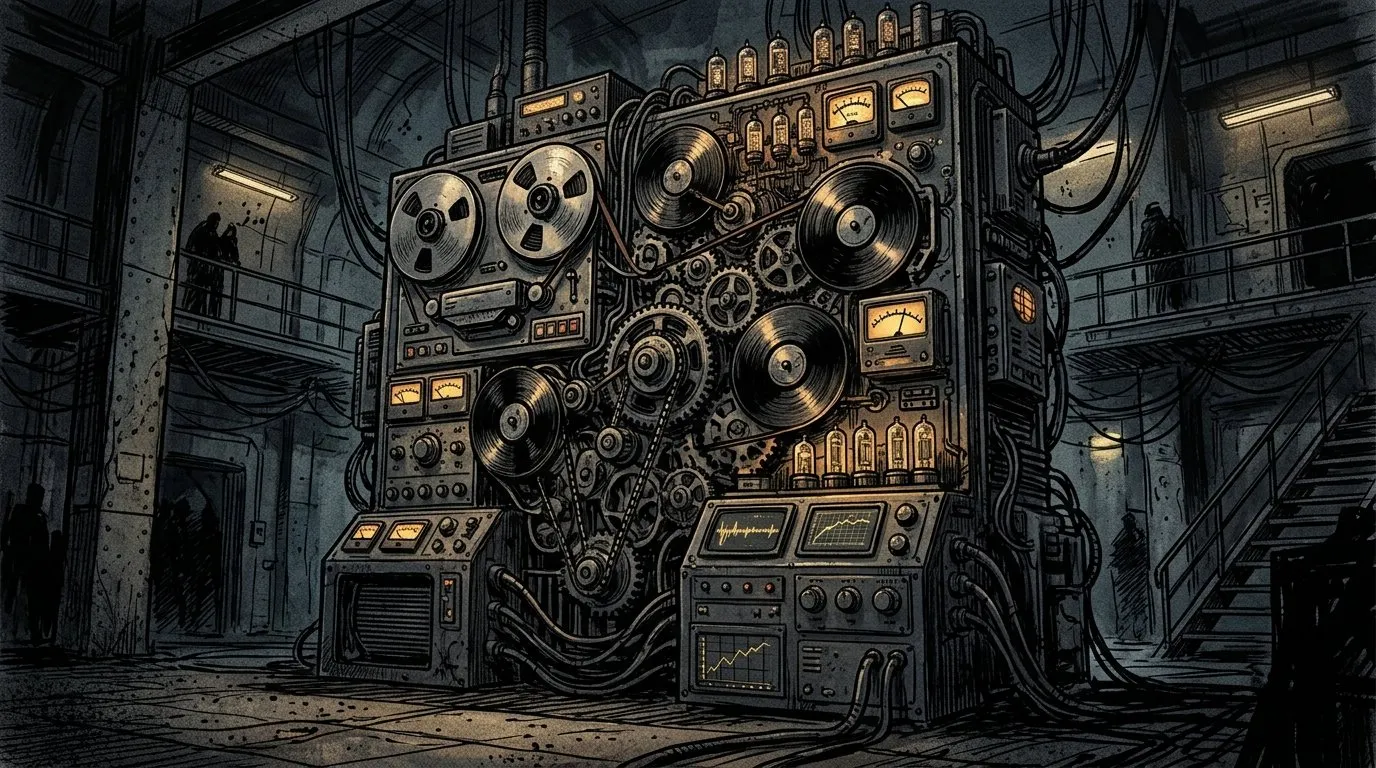
For a long time, Suno was known mostly as a tool where you could type a few words and get a full song in return. That is changing with the launch of the MILO-1080. This is a new, browser-based tool that functions as a 16-track step sequencer and synthesizer. Instead of just letting the AI do all the work, this tool allows creators to have much more control over their projects.
How the Step Sequencer Works
A step sequencer is a tool that lets you place sounds in a specific order to create rhythms or melodies. With the MILO-1080, Suno is moving into the world of professional Music Production. The tool integrates Suno's generative audio models directly into a traditional interface. This means you can generate specific samples or loops and then arrange them yourself. It gives producers the best of both worlds: the speed of AI and the creative control of a human musician. Because it runs in a web browser, it is accessible to almost anyone with an internet connection, making high-end production tools available to a wider audience.
Personalized Music with Version 5.5
Suno has also released a major update to its main platform, known as version 5.5. This update is all about making the music feel more personal. One of the most talked-about additions is a feature called Voices. This tool allows users to record their own singing or upload a recording of their voice. The AI then creates a personalized vocal identity. This means you can have the AI sing a song using your own unique sound.
Custom Models and "My Taste"
Beyond just voices, version 5.5 introduces Custom Models. This feature allows users to train the AI on their own personal catalogs of music. If you have a specific style you have developed over years, you can help the AI learn that style so it can assist you better. Additionally, a new feature called My Taste uses algorithmic learning to understand what you like. The more you use the platform, the better it gets at suggesting sounds and styles that fit your specific preferences. These tools are designed to make the AI feel less like a random generator and more like a personal creative assistant.
Millions of Fans and Major Lawsuits
Despite the excitement over new features, Suno is at the center of a massive legal battle. The company recently reached a huge milestone, surpassing 2 million paying subscribers and over 100 million total users. Suno co-founder Mikey Shulman confirmed these numbers, showing that there is a massive demand for AI music tools. However, this success comes at a time when the Music Business is pushing back.
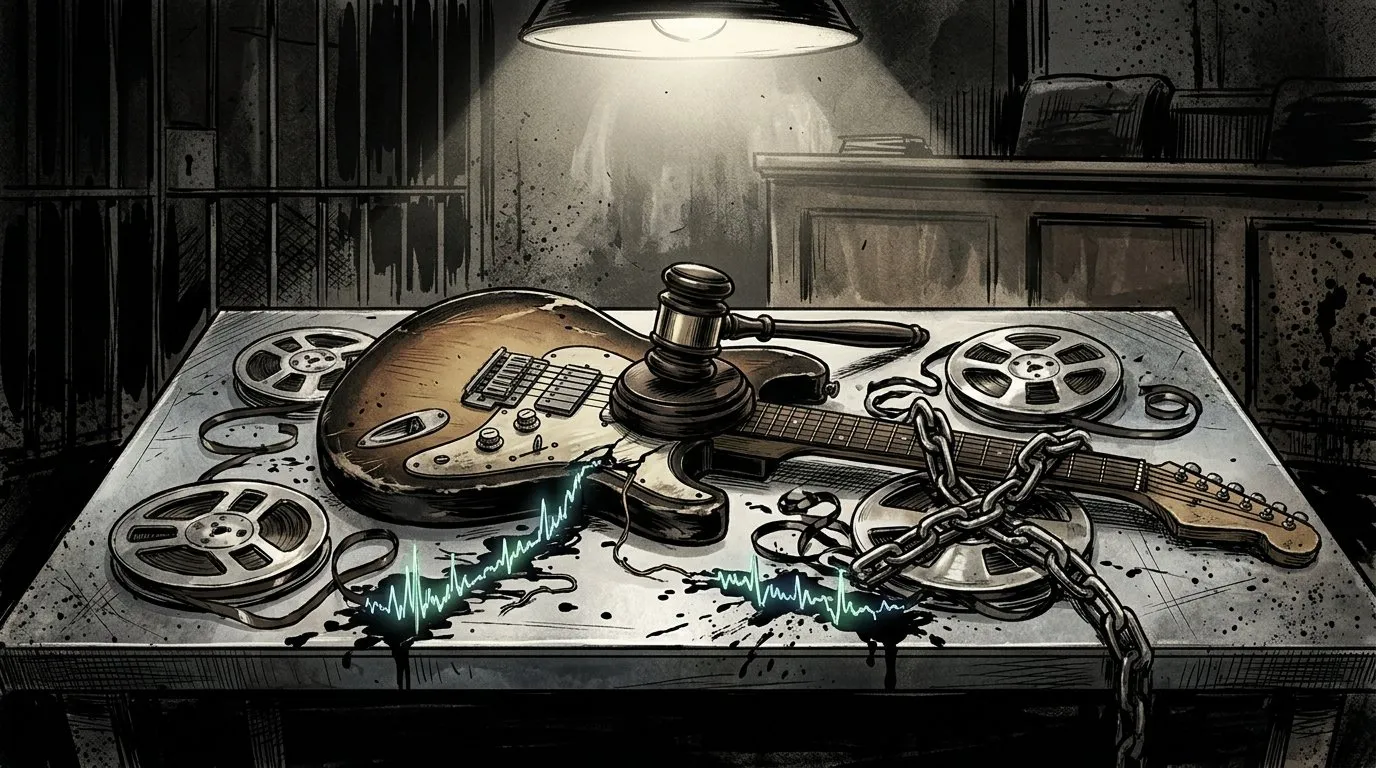
Major record labels, including Sony Music and Universal Music Group, have filed lawsuits against Suno. They claim the company has committed "mass infringement" by using copyrighted music to train its AI models without permission. The labels argue that the AI is essentially "copying" the hard work of famous artists to create its own content. This tension between rapid growth and legal challenges is one of the biggest stories in Music Technology today.
The "Say No to Suno" Movement
It isn't just the big record labels that are upset. A coalition of songwriters and artist rights advocates has launched a campaign called Say No to Suno. This group, led by the Artist Rights Institute and the European Composer and Songwriter Alliance, published an open letter asking the industry to reject the platform. They believe that Suno was built by using the work of human creators without their consent or any form of payment.
These advocates are worried that if AI continues to grow this way, it will become harder for human musicians to make a living. They want to ensure that technology respects the rights of the people who created the music that the AI learned from. This campaign is a reminder that while technology can be exciting, it also has a human cost that needs to be considered.
Legal Responsibility and the Clear Act
In response to these legal pressures, Suno has made some important changes to its rules. The company recently updated its Terms of Service. One of the most significant changes is that Suno is shifting legal responsibility for the music created on the platform onto the users. This means that if a user creates a song that violates a copyright, the account holder—not Suno—might be the one held responsible in court.
This change comes as the United States Congress looks closer at the AI industry. A new piece of legislation called the Clear Act has been introduced. This law would require AI companies to be more transparent about the data they use to train their models. By updating its terms, Suno is trying to protect itself from the increasing scrutiny of lawmakers and the legal system. For users, this means they need to be more careful than ever about how they use the music they generate.
Looking Ahead
The world of AI music is moving faster than the laws that govern it. Suno is proving that millions of people want to use these tools to express themselves, but the industry is still trying to figure out how to protect the rights of human creators. As tools like the MILO-1080 and features like Voices become more common, the line between human-made and AI-made music will continue to blur. Whether Suno can balance its massive growth with the demands of the music industry remains to be seen. For now, the conversation about the future of music is just getting started.
Sources: Suno Introduces MILO-1080 AI-Powered Step Sequencer, Suno Launches Version 5.5 with Voice Cloning and Personalization Tools, Creators Launch 'Say No to Suno' Campaign Over Unauthorized Training, Suno Updates Terms of Service to Shift Legal Liability to Users, Suno Surpasses 2 Million Paying Subscribers Despite Legal Backlash