AI Music at a Crossroads: Licensing Battles and the Human Touch
Artificial intelligence is changing the way we think about creativity, but the music world is currently facing a big reality check. As new tools make it easier for anyone to generate a song, the people who run the industry and the laws that protect art are stepping in to set some ground rules. From boardroom battles to courtroom decisions, the future of music is being decided right now.
The Licensing Stand-off: Suno vs. Major Labels
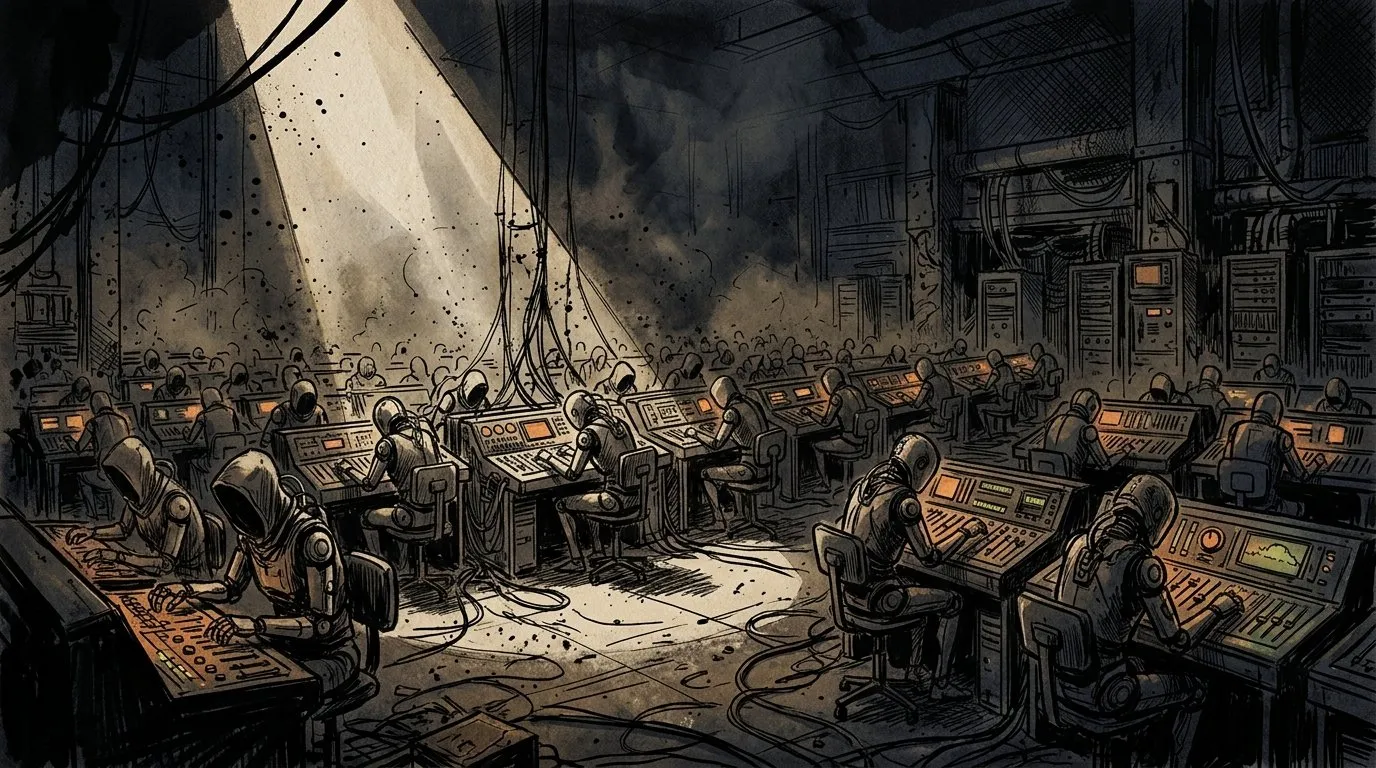
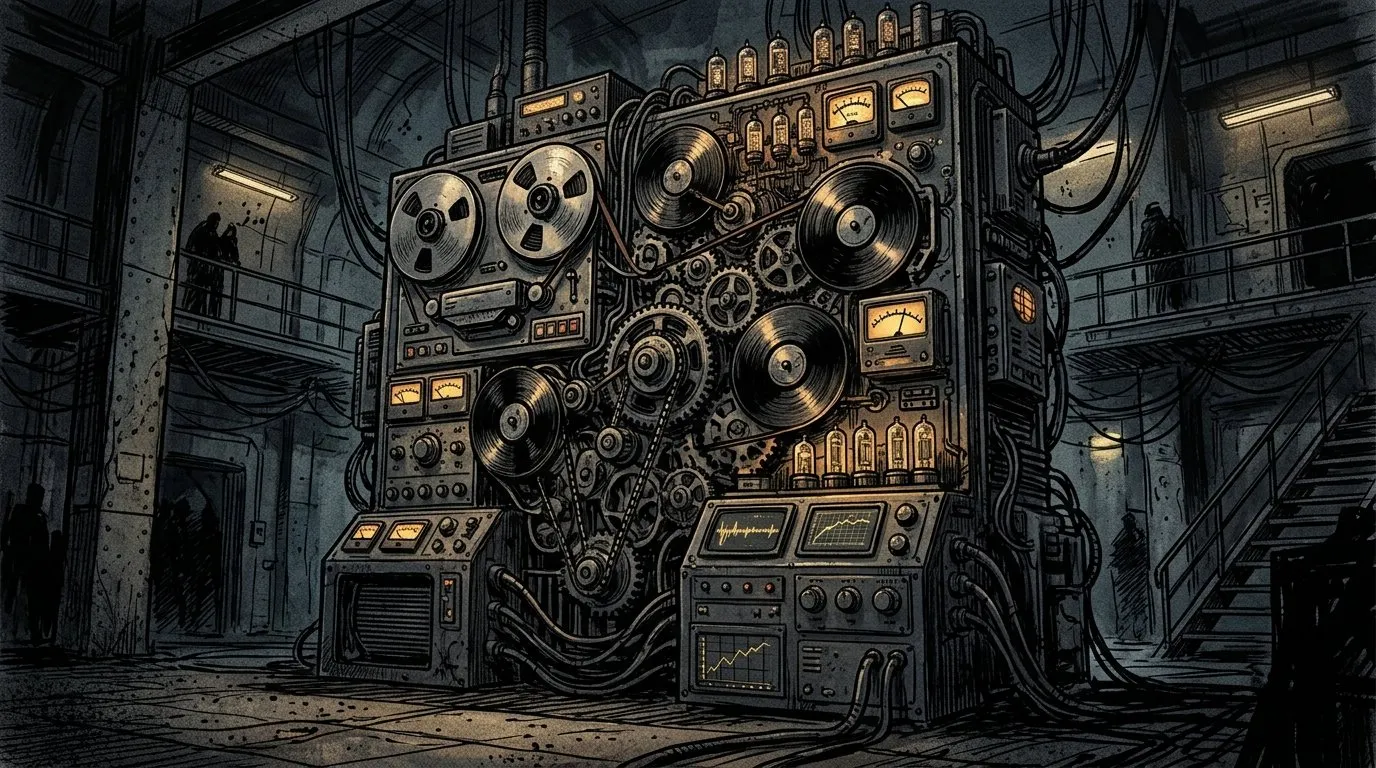
One of the biggest names in the world of AI-generated music is a startup called Suno. This company has created a platform that allows users to type in a few words and get a full song in return. While this sounds like magic to some, it has created a massive legal headache for the Music Business. For months, Suno has been trying to work out deals with the world's biggest record labels. However, those talks have recently hit a wall.
According to new reports, negotiations between Suno and industry giants like Universal Music Group and Sony Music have reached a deadlock. This means the two sides are stuck and cannot agree on how to move forward. The main issue is how Suno uses existing music to train its AI and how the resulting songs should be shared with the world. While Warner Music Group was able to reach a settlement with the startup in late 2025, other labels are not ready to sign on the dotted line.
Without these licenses, the path forward for AI music startups is very uncertain. The major labels want to make sure their artists are protected and paid fairly. If a computer program learns how to write music by listening to thousands of songs owned by Universal Music Group, the label believes they should have a say in how that program is used. For now, it seems many of the biggest players in the industry are choosing to wait and fight rather than join in.
AI as a Tool, Not a Replacement
With all the talk about machines making music, many people are worried that human artists will soon be out of a job. However, some of the most powerful people in the industry say we should not be afraid. Michael Nash, who is the Chief Digital Officer for Universal Music Group, recently spoke about this at the HumanX conference. He shared a stage with Kakul Srivastava, the CEO of Splice, to talk about where music is headed.
Michael Nash argues that the idea of AI replacing artists is a "false narrative." Instead of seeing AI as a replacement, he views it as a "force multiplier." Think of it like this: a hammer doesn't build a house by itself, but it helps a builder work much faster. In the same way, AI can help a musician explore new sounds or finish a song more quickly.
One of the most important points Nash made is about human connection. He believes that there is no real market for "irrelevant" AI-generated content. People don't just listen to music because of the way it sounds; they listen because they care about the person who made it. We follow artists because we relate to their stories, their struggles, and their emotions. A machine can mimic a melody, but it cannot share a human experience. Because of this, Human Artists will always have a special place that technology cannot take away.
Why Human Connection Still Wins
In the world of Music Streaming, there are millions of songs available at the touch of a button. If AI starts flooding these platforms with millions of new, computer-made tracks, will anyone actually listen? Nash doesn't think so. He believes that without a human heart behind the music, listeners will eventually lose interest. The goal for companies like Universal Music Group is to use Music Technology to support creators, not to create a world where machines are the only ones making noise.
The Legal Reality: No Copyright for Machines
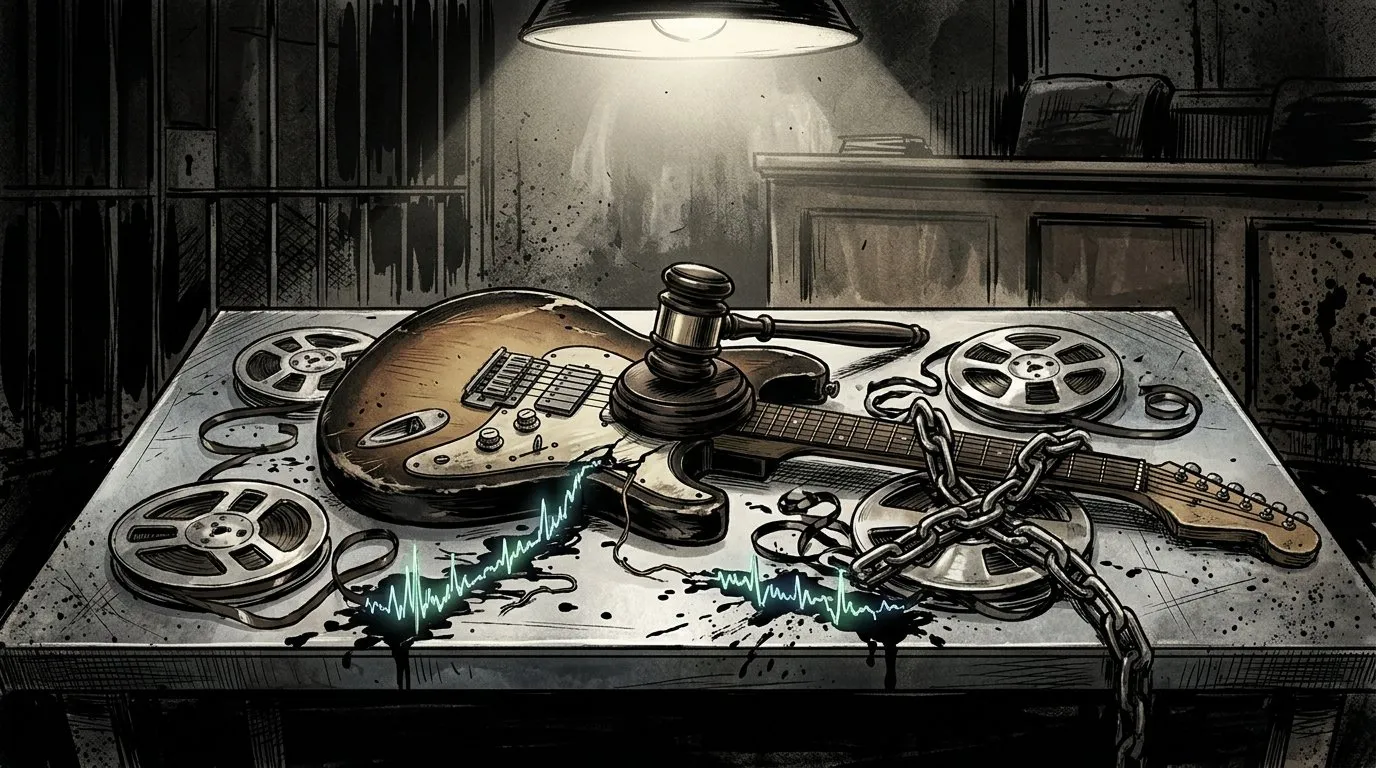
While the labels and tech companies fight over licenses, the legal system is also weighing in. Recent judicial rulings in the United States have made a very clear statement: if a work is created entirely by AI without a person doing the creative work, it cannot be copyrighted.
This is a massive deal for Music Production. Copyright is the law that allows an artist to say, "I own this, and you have to pay me to use it." If a song has no copyright, anyone can take it, use it in a commercial, or put it in a movie without paying the person who pressed the "generate" button. The courts have decided that copyright is meant to protect human creativity, not computer algorithms.
Because of these rulings, producers who use AI tools have to be much more careful. They now need to document exactly how they contributed to a song. To secure ownership, they must prove "meaningful human authorship." This might include:
- Writing the lyrics themselves
- Editing the melodies generated by the AI
- Arranging the instruments in a specific way
- Mixing and mastering the track to create a unique sound
If a producer just tells an AI to "make a pop song" and doesn't change anything, they won't own that song. This keeps the power in the hands of people who are actually putting in the creative effort.
Looking Ahead
The world of music is in a state of transition. We are seeing a tug-of-war between the speed of Music Technology and the traditional structures of the Music Business. While companies like Suno want to push the boundaries of what is possible, labels and courts are making sure that the human element remains at the center of everything.
In the coming years, we will likely see more settlements like the one with Warner Music Group, but we will also see more strict rules about what counts as "real" music. For aspiring artists, the message is clear: AI is a powerful tool that can help you grow, but your unique voice and your personal story are your most valuable assets. As long as people crave connection, Human Artists will continue to lead the way, using technology to reach new heights rather than being left behind by it.
Sources: Suno Licensing Negotiations with Major Labels Hit Deadlock, UMG Executive Michael Nash Critiques 'Artist Replacement' Narrative, US Legal Rulings Deny Copyright Protection for AI-Generated Works