AI Music Gets Guardrails: Luminate, Suno, and Udio Add Labels and Security

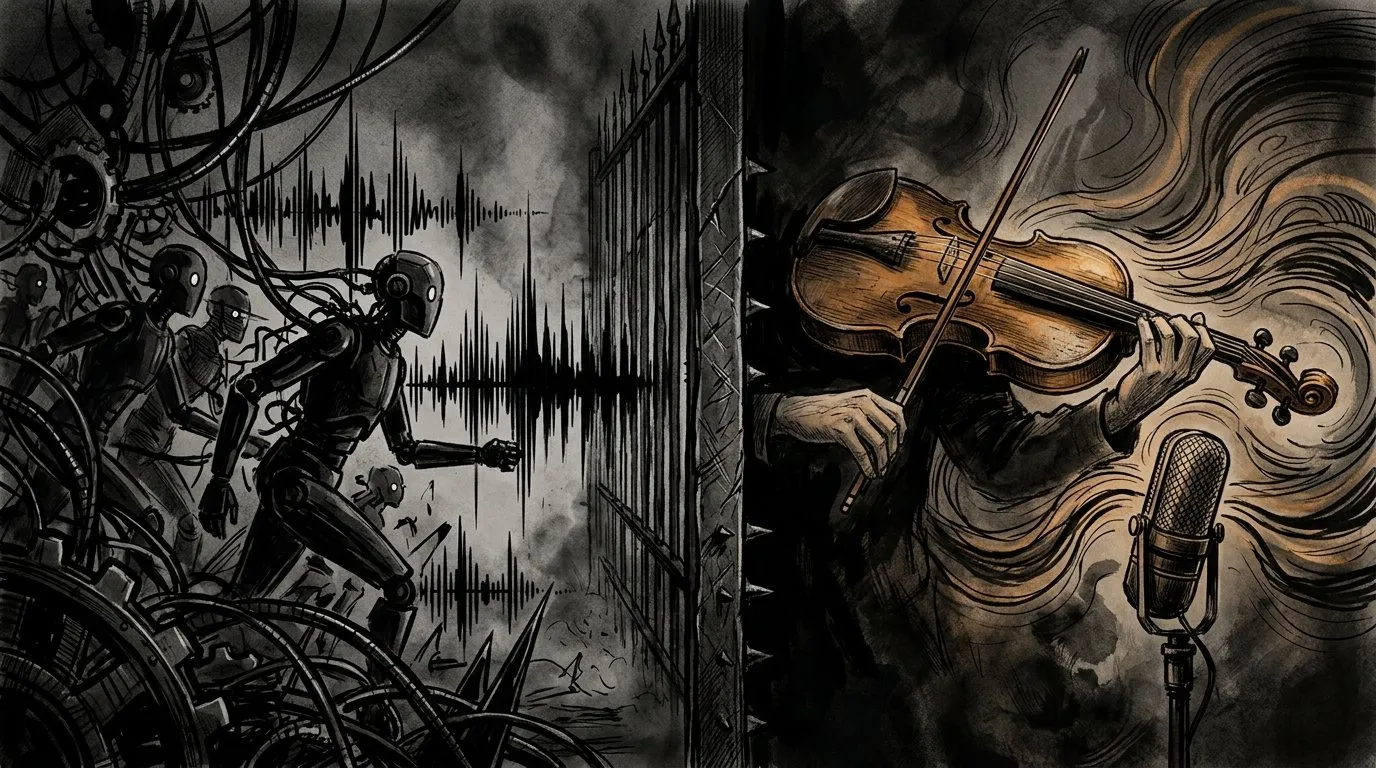
The rapid rise of artificial intelligence in the music industry is officially entering a new era of accountability and protection. Major industry data trackers and leading generative audio platforms are rolling out powerful new tools to identify, secure, and regulate synthetic songs across streaming services. These major updates mark a turning point for how digital platforms, artists, and listeners navigate the growing presence of machine-made music.
Luminate Takes on AI Identification and Streaming Labels
For decades, entertainment data tracker Luminate has been the gold standard for tracking music sales, streaming numbers, and chart rankings. Now, the company is tackling one of the biggest challenges in the modern music ecosystem: knowing exactly which tracks are made by artificial intelligence.
Luminate announced a comprehensive identification framework designed to detect and label AI-generated music across digital service providers (DSPs) and industry data feeds. Rolling out later this year, the system relies on a blend of proprietary audio analysis and data shared directly by streaming partners.
Spotting Synthetic Personas and Machine-Made Audio
The goal of Luminate's framework is not simply to spot pure AI audio, but also to identify synthetic artist personas. As virtual musicians and computer-generated tracks flood DSPs, industry stakeholders need accurate data to understand what fans are actually listening to.
By attaching clear labels to AI tracks within industry data feeds, Luminate gives record labels, publishers, and streaming services the clarity they need. It allows platforms to separate traditional human releases from algorithmic creations, ensuring that chart integrity and streaming metrics remain trustworthy.
Suno Cracks Down on Streaming Spam with Audio Fingerprinting
While data trackers are building detection systems, the companies creating AI music tools are stepping up to police their own platforms. Suno, one of the most popular generative music platforms in the world, is preparing for a major September platform refresh by adding built-in tracking and anti-spam measures.
Suno introduced automated audio watermarking and fingerprinting technology to trace platform-generated songs across the entire streaming ecosystem. Whenever a user generates a track with Suno, invisible data markers are embedded directly into the audio waveform. Even if someone edits, pitches, or remixes the song, the audio fingerprint remains detectable.
Stricter Download Policies and Traceability
Alongside watermarking, Suno is rolling out stricter export caps. In recent months, bad actors have used automated bots to generate thousands of low-quality AI songs and upload them in bulk to streaming platforms like Spotify and Apple Music to siphon off royalties—a problem often called streaming spam.
By limiting how many tracks users can download in bulk and making sure every exported song is traceable back to Suno, the company aims to curb fraudulent uploads. This helps keep digital storefronts cleaner while protecting legitimate creators who use the platform for genuine creative exploration.
Udio and BuyDRM Bring Enterprise Security to Synthetic Tracks
Generative music startup Udio is taking a different approach to content management by focusing on digital rights management (DRM) and content security. Udio has officially partnered with BuyDRM, a leading provider of digital security solutions, to protect synthetic music outputs directly on its platform.
Through this partnership, Udio is integrating multi-DRM technologies, including Widevine, FairPlay, and PlayReady. These are the exact same high-level encryption standards used by major movie streaming giants and commercial music distributors to prevent unauthorized downloads and piracy.
Why Multi-DRM Matters for AI Creators
Implementing enterprise-grade multi-DRM allows Udio to control how its generated audio is accessed, distributed, and shared. Key benefits of this system include:
- Preventing Unauthorized Ripping: Protects audio assets from being scraped by unauthorized third-party bots.
- Controlling Distribution Channels: Ensures that tracks generated within the platform are exported only through approved, secure methods.
- Standardized Compatibility: Uses industry-standard tools from Apple (FairPlay), Google (Widevine), and Microsoft (PlayReady) to ensure smooth playback across web browsers and mobile devices.
By securing the underlying audio files, Udio is setting up a framework where commercial partners and brands can experiment with AI audio without worrying that their creations will leak or be stolen before release.
Why These Guardrails Matter for Human Artists and DSPs
The simultaneous moves by Luminate, Suno, and Udio highlight a broader shift across the music tech landscape. For over a year, artists, songwriters, and label executives have raised concerns about the lack of transparency and control surrounding AI-generated music.
Without watermarking, DSPs struggled to differentiate between human musicians and automated uploads. Without clear labeling, streaming royalties risked being diluted by artificial accounts gaming the system. These new technical safeguards create a win-win scenario:
- Fair Royalty Distribution: Streaming platforms can filter out fraudulent uploads and ensure royalty pools go to real artists.
- Consumer Transparency: Fans can easily see whether a song or virtual artist was created using generative algorithms.
- Platform Accountability: Generative AI tools take responsibility for their outputs, fostering a more sustainable relationship with the wider music business.
Looking Ahead
The arrival of watermarking, DRM encryption, and standardized metadata labels proves that the AI music space is maturing quickly. What started as an unpredictable wave of experimental audio is transitioning into a structured, accountable ecosystem.
As Luminate begins rolling out its identification framework and platforms like Suno and Udio strengthen their internal controls, the line between human artistry and machine assistance will become much clearer. The coming months will test how well DSPs integrate these tools, but one thing is certain: the future of music technology will be built on verification, security, and transparency.
Sources: Billboard, Music Business Worldwide