AI Music Goes Premium: The Move to Token Pricing and Restricted Access
The world of music creation is changing faster than ever before. For the past couple of years, anyone with a computer could jump onto an AI website and create a full song for free, but those days are quickly coming to an end. Now, the biggest names in Artificial Intelligence are changing the rules to make sure their tools are used by people who are serious about making music.
A New Way to Pay for AI
If you have used an AI music generator lately, you might have noticed something different. Instead of being able to click "generate" as many times as you want, many platforms are moving to a system called token-based pricing. This works a lot like an arcade. You buy a certain number of tokens, and each time you want the AI to create a melody, a beat, or a full vocal track, it costs you a few tokens.
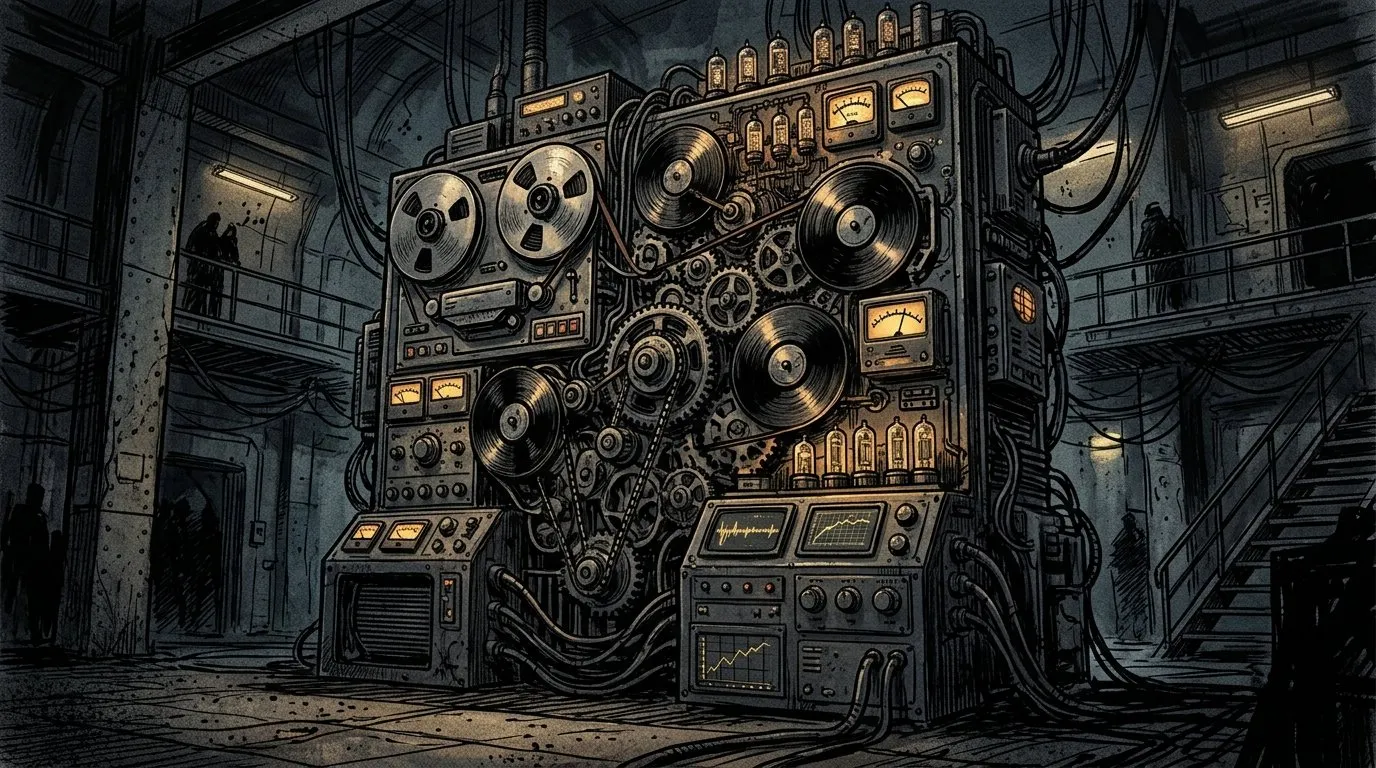
This is a big shift from the "unlimited free" tiers we saw when this technology first arrived. Many companies are doing this to manage the huge costs of running their systems. It takes a massive amount of computer power—often called compute costs—to turn a text prompt into a high-quality audio file. By charging for tokens, these companies can make sure they have enough money to keep their servers running smoothly for everyone.
Why the Free Party is Ending
There are two main reasons why these AI platforms are tightening their belts. The first is the cost of technology. The "brains" of these AI systems live in giant data centers that use a lot of electricity and expensive hardware. When millions of people make songs for fun without paying, the companies lose a lot of money. By switching to a paid or token-based model, they can focus on serving "serious producers" who are willing to pay for a professional tool.
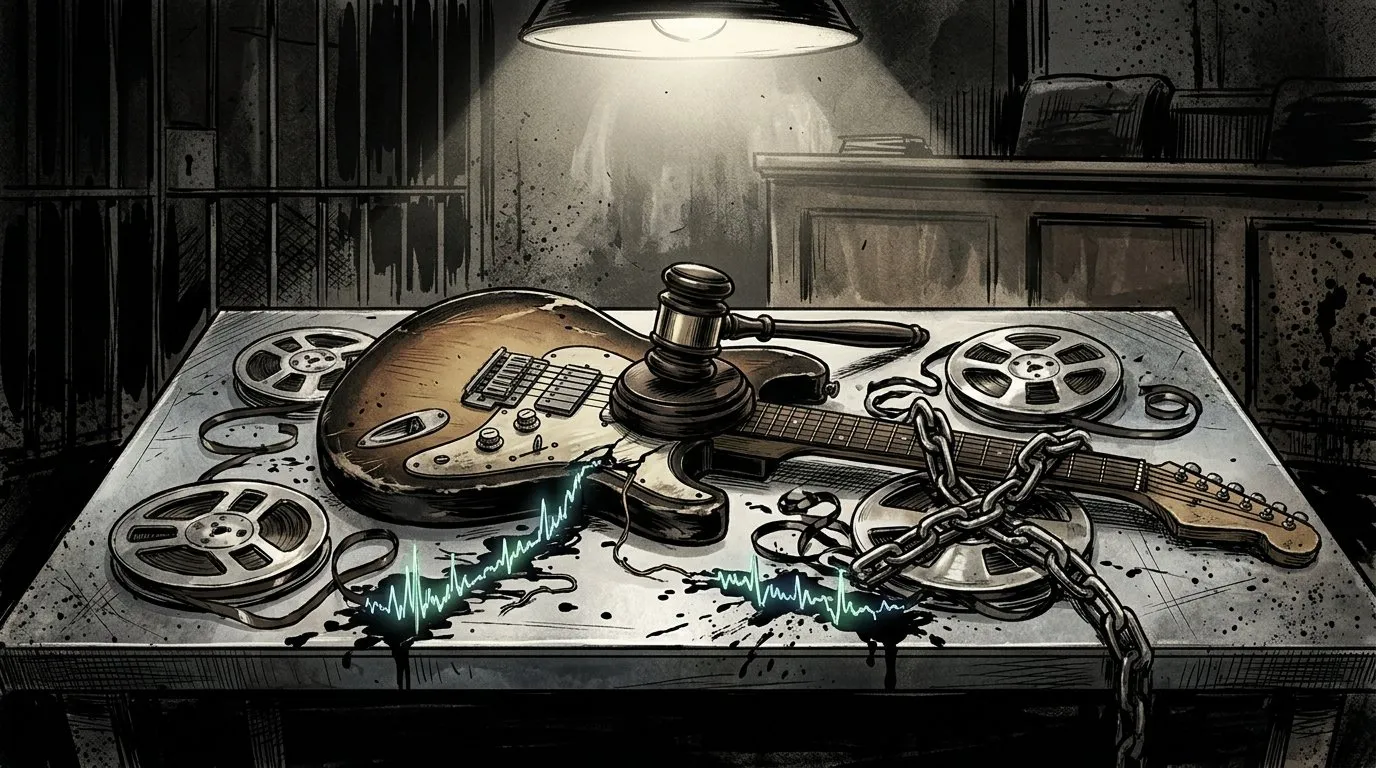
The second reason is legal pressure. Major record labels and artists have been worried about how AI uses existing music to learn. Some are even taking these companies to court. By moving away from wide-open, free access, AI platforms are trying to show the Music Business that they are responsible. They want to be seen as a tool for professionals, not a machine that generates endless copies of existing songs.
Cleaning Up the Streaming World
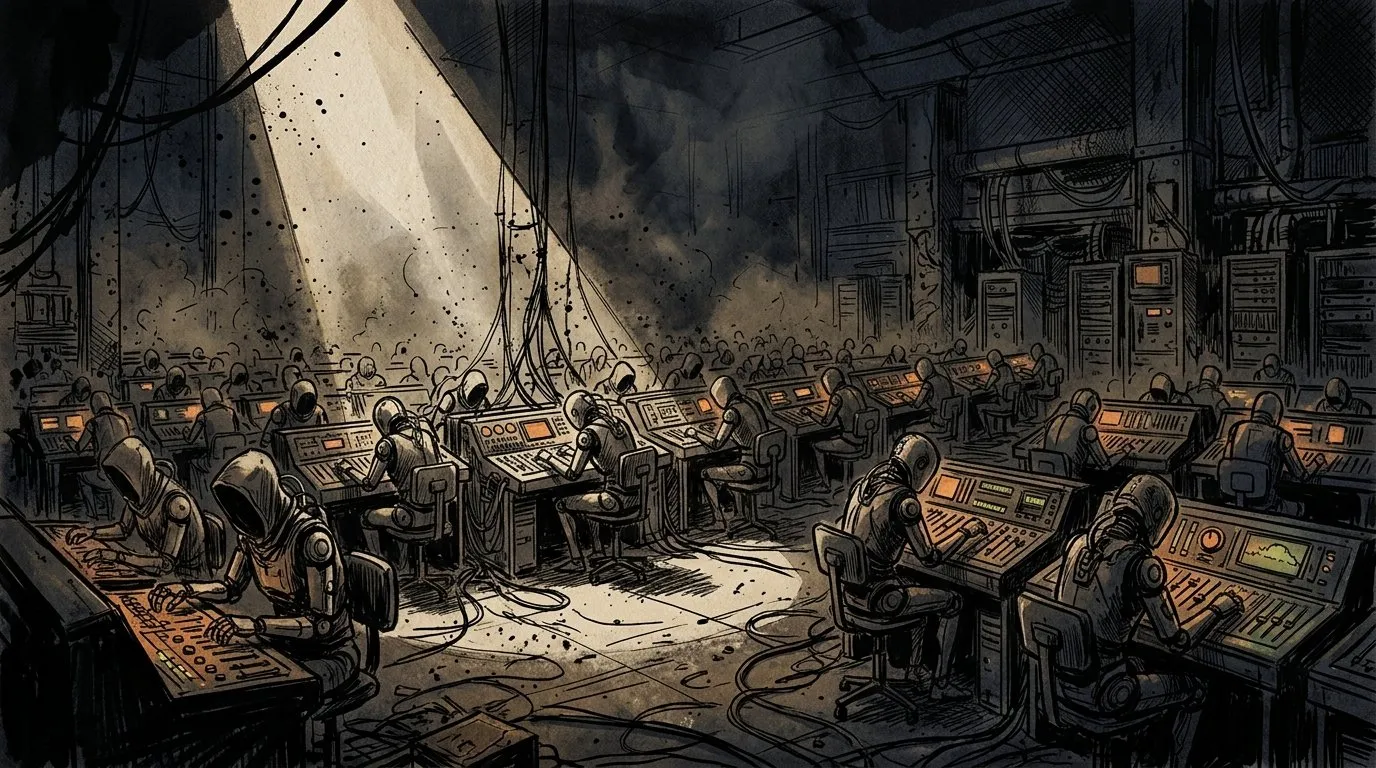
One of the biggest problems in the industry right now is the "flood" of AI music on sites like Spotify and Deezer. Because it used to be free and easy to make AI songs, some people were uploading thousands of low-quality tracks every day. This makes it harder for Human Artists to get noticed. It also clutters up the libraries of Music Streaming services with what many call "junk" audio.
By adding a cost to every song generated, AI companies are making it harder for people to spam the internet with low-quality music. If it costs money to make a song, people will likely spend more time making sure that song is actually good before they share it. This helps the entire industry by keeping the focus on quality rather than quantity.
What This Means for Music Production
For people who use AI as part of their Music Production workflow, this change is actually a good thing. When platforms focus on paying customers, they can offer better features. We are seeing tools that allow for more control over the sound, better audio quality, and more ways to mix the AI sounds with real instruments.
Instead of being a toy for everyone, AI is becoming a professional instrument. Producers can use their tokens to get the perfect drum loop or a unique synth sound without having to worry about the system being slowed down by millions of casual users. It helps separate the hobbyists from the people who are building a career in music.
The Impact on Royalties and Labels
When music is made with AI, there are often questions about who gets paid. These are called Royalties. If a platform is restricted to serious labels and producers, it is much easier to track who made what. This helps ensure that the money goes to the right people.
Many labels are now looking for ways to use AI in a way that respects the law. They want to use these tools to help their artists be more creative, not to replace them. By moving to a more controlled system, AI platforms are making it easier for the Music Business to accept this new technology. It builds a bridge between the tech world and the creative world.
How Tokens Change the Creative Process
In the past, you might have hit the "generate" button fifty times just to see what happened. Now that each click has a cost, creators are becoming more thoughtful. They are learning how to write better prompts and how to guide the AI more carefully. This shift is turning AI from a magic trick into a skill. Just like learning to play the guitar or use a mixing board, learning how to use AI tokens effectively is becoming a part of modern Music Technology education.
Looking Ahead
As we look to the future, the "wild west" era of AI music is coming to a close. We are entering a time where these tools will be more powerful but also more regulated. While it might be disappointing that we can no longer make endless songs for free, the result will likely be better music for everyone.
We can expect to see more partnerships between AI companies and major labels. We will also likely see streaming platforms get better at identifying and promoting high-quality tracks while filtering out the low-effort AI spam. For the serious creator, these changes offer a more stable and professional environment to build the sounds of tomorrow. The move to tokens and restricted access isn't just about money; it's about making sure that the future of music is sustainable, legal, and high-quality.
Sources: AI Music Platforms Pivot to Token-Based Pricing and Restricted Access