AI Music Revolution: How Big Labels Are Changing the Way We Listen
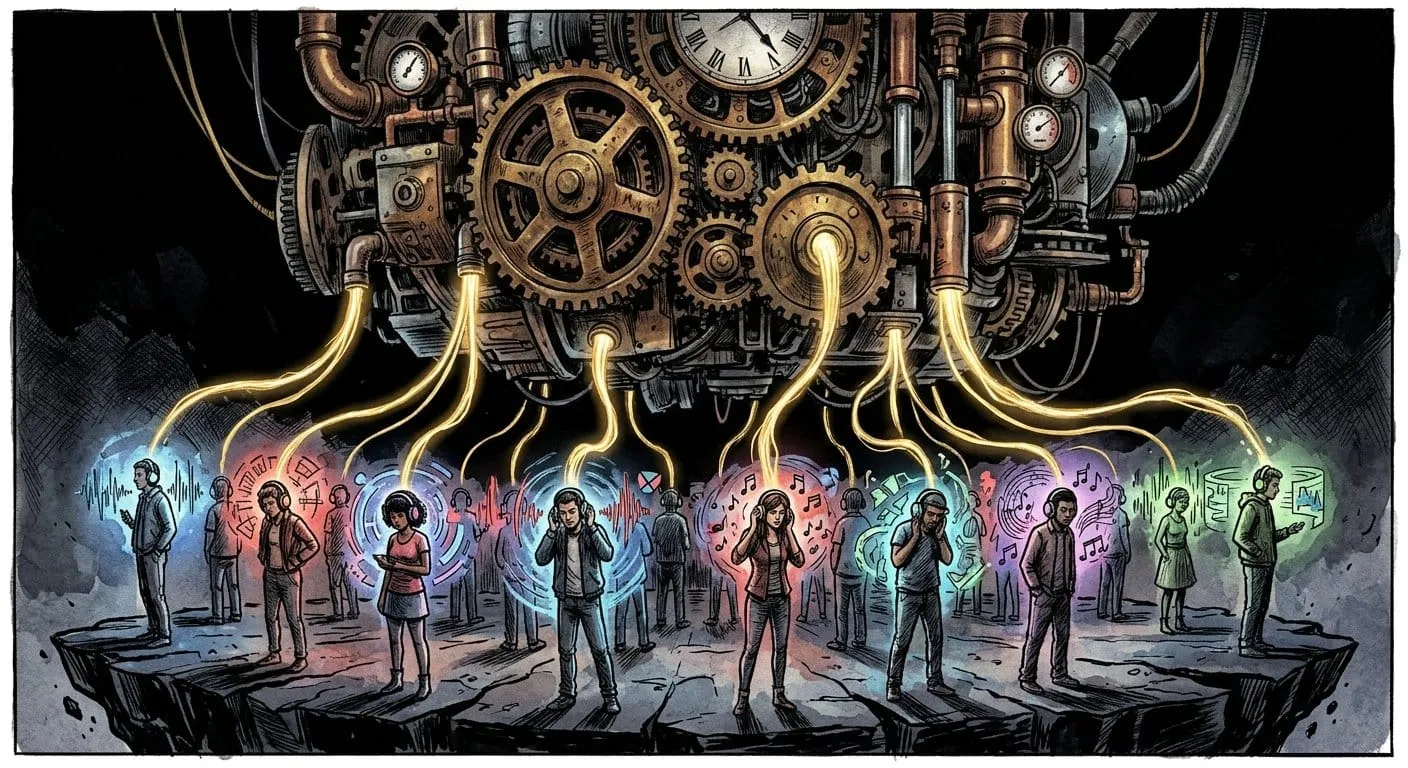
The music world is changing fast as Artificial Intelligence moves from a science fiction dream to a daily reality. Big companies like Universal Music Group (UMG), Warner Music, and Sony Music are making huge moves to decide how we will listen to songs in the future. These changes will affect everyone from the biggest superstars to the fans listening at home on their phones.
UMG and the Future of Personalized Music
At a recent event in London, Lucian Grainge, the CEO of Universal Music Group, shared his vision for how AI will change the fan experience. He believes that AI should be a tool that helps human creativity rather than something that replaces it. One of the most exciting ideas he discussed is called hyperpersonalization.
Imagine listening to your favorite artist and being able to hear a version of their song that is made just for you. To make this happen, UMG is working with Spotify to create licensed remixes. This means fans could use AI to change a song legally while the artist still gets credit and payment. Grainge described this future as a walled garden. In this garden, superfans can have special experiences using AI tools that are safe, legal, and approved by the musicians they love. By keeping these tools inside a controlled space, the label ensures that the quality stays high and the artists stay in control of their work.
Why Hyperpersonalization Matters
For a long time, music has been a one-way street. An artist records a song, and the fan listens to it exactly as it is. With AI, that street becomes a two-way conversation. Hyperpersonalization allows fans to feel more connected to the music. Whether it is a remix that fits a specific mood or a special version of a track for a workout, the goal is to make the music feel more alive. For Universal Music Group, the focus is on making sure this technology supports the human spirit of the music instead of just making computer-generated noise.
Warner Music’s New Way to Get Paid
While UMG focuses on the fan experience, Warner Music is looking at the money. CEO Robert Kyncl recently suggested a massive shift in how the music business works. For years, labels have made most of their money from Music Streaming. Every time you hit play on a song, the label and the artist get a tiny bit of money. However, Kyncl thinks there is a better way to handle AI.
He proposed a model called Paid for Creation. In this system, AI platforms like Suno would be treated more like professional recording studios. Instead of only paying when a song is played, these AI companies would pay for the right to use the label's music to train their systems. This means the revenue comes from the act of making the music, not just listening to it. If a user uses an AI tool to create a new song based on a label's catalog, the label gets paid for providing the data that made that creation possible.
Treating AI Platforms Like Studios
This is a big change because it treats Generative AI as a partner in the creative process. By licensing their data to companies like Suno, Warner Music can create a new stream of income. This model recognizes that the data used to train AI is valuable. If an AI learns how to write a catchy chorus by listening to thousands of hit songs, the people who own those hits should be compensated. Kyncl’s idea could provide a steady path for labels to grow even as the way people make music changes.
Sony Music Fights Back Against Deepfakes
While some labels are looking for new ways to use AI, Sony Music is busy protecting its artists from the dark side of the technology. The label has started a massive crackdown on unauthorized AI content. So far, they have successfully removed over 135,000 deepfake songs from various Music Streaming services.
A deepfake song is a track that uses AI to copy a famous artist's voice without their permission. These songs can confuse fans and hurt an artist's career. To fight this, Sony Music is working closely with platforms like Apple and Deezer. Together, they are creating new rules for Metadata and transparency tags.
The Importance of Transparency
Transparency tags are like labels on a bottle of juice; they tell you exactly what is inside. In the future, when you look at a song on a streaming app, you might see a tag that tells you if AI was used to create the voice or the instruments. By using stricter Metadata standards, Sony and its partners hope to make it impossible for fake songs to hide among real ones. This helps keep the music industry honest and ensures that when you search for your favorite singer, you are actually hearing them and not a computer program pretending to be them.
Musicians Demand a Seat at the Table
Not everyone is happy with how the big labels are handling these AI deals. The American Federation of Musicians (AFM) has filed a major lawsuit against Universal Music Group and Warner Music. The union represents the people who play the instruments and perform the songs we love. They argue that the labels are making secret deals with AI companies like Suno and Udio without sharing the profits with the performers.
The AFM says that using old recordings to train new AI systems is a new use of those recordings. Under labor agreements, when a recording is used for something new—like putting a song in a movie or a commercial—the musicians are supposed to be paid. The union argues that training an AI is no different. They want to make sure that as the industry moves toward an AI-powered future, the people who actually make the music are not left behind.
The Legal Battle for Fair Pay
This lawsuit is a big deal because it could change how AI licensing works for everyone. If the court agrees that training AI is a new use, it would mean that every AI company would have to pay performers directly. This would add a layer of protection for musicians who are worried that AI might one day take their jobs. It highlights a growing tension in the industry: while CEOs are excited about new technology and revenue, the artists are focused on fairness and survival.
Looking Ahead
The music industry is at a crossroads. On one hand, we have the exciting potential for hyperpersonalization and new ways for fans to interact with their idols. On the other hand, we have serious concerns about deepfake songs and whether musicians will be paid fairly for their work.
As companies like Universal Music Group, Warner Music, and Sony Music continue to experiment with Artificial Intelligence, the rules of the game will keep changing. Whether it is through "walled gardens" of fan content or new "Paid for Creation" business models, one thing is certain: the way we experience music will never be the same. We must stay watchful to ensure that technology serves the artists and the fans, keeping the human heart of music beating strong.
Sources: UMG CEO Lucian Grainge Highlights AI as a Tool for 'Hyperpersonalization', Warner Music CEO Proposes 'Paid for Creation' Revenue Model, Sony Music Removes Over 135,000 AI Deepfake Songs from Streaming Services, American Federation of Musicians Sues UMG and Warner Over AI Licensing