AI Music Revolution: How UMG, Splice, and Berklee are Shaping the Future
The world of music is changing faster than ever thanks to Artificial Intelligence. From new ways to get paid to classroom lessons at top colleges, AI is no longer a futuristic dream—it is here now. Today, we are looking at how major companies and schools are making sure the future of music stays fair, creative, and human-centered.
Protecting the Artist’s Voice: UMG’s Walled Garden
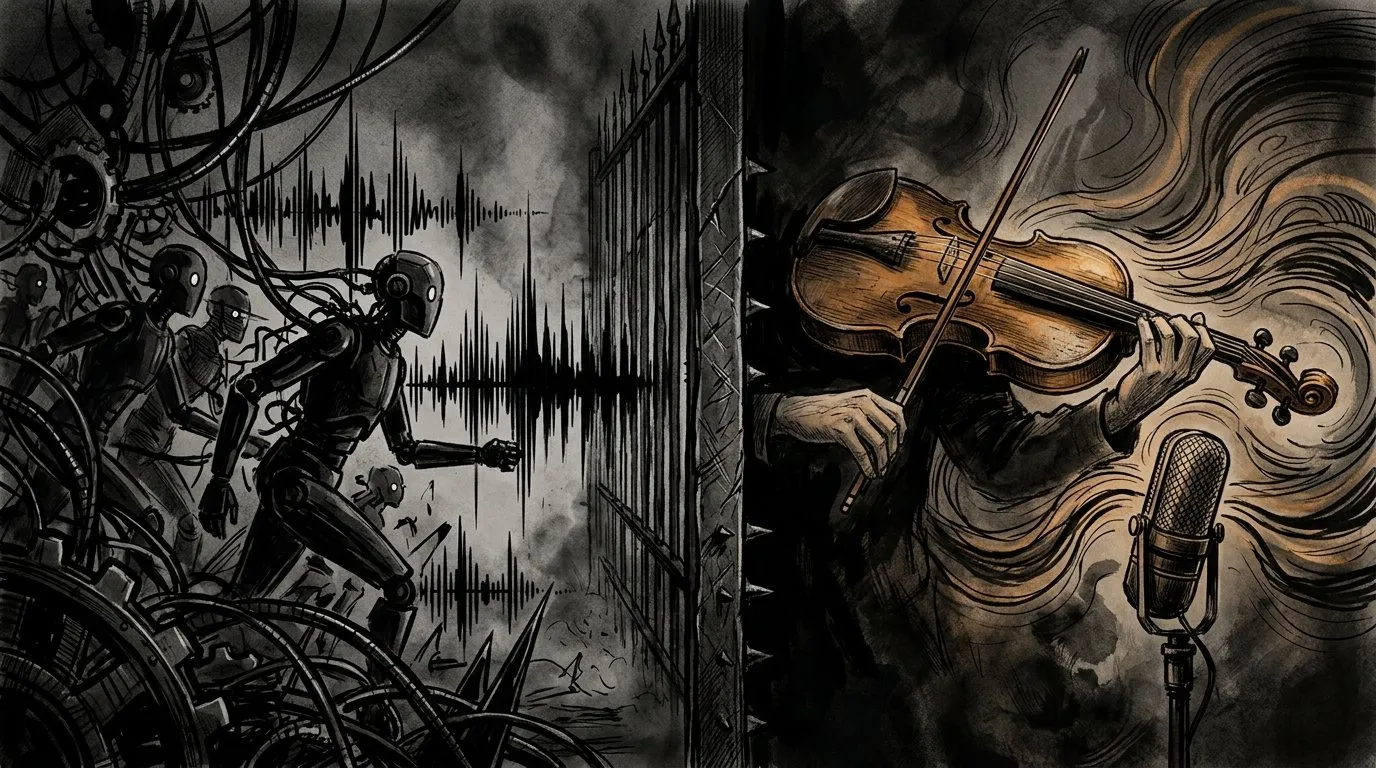
One of the biggest concerns for musicians today is how their voices and styles are used by AI. Universal Music Group (UMG) is taking a big step to solve this. They recently revealed a set of patents for what they call a walled garden model for AI music.
This system is designed to give artists total control over how their likeness is used to create new tracks. It includes a special two-stage approval process. This means an artist can set specific rules about what their AI twin can and cannot do. For example, a vegetarian artist could block their AI voice from being used in any song that promotes eating meat. This ensures that even when AI creates music, it still matches the personal values and rights of the real person behind the sound. By building this "walled garden," UMG is trying to make sure that AI is a tool for artists, not something that replaces their identity.
Getting Paid for Every Sound: The Splice Model
While UMG focuses on big stars, Splice is looking out for the producers and creators who make the building blocks of music. Splice is a popular platform for music samples, and they just launched a new suite of AI-powered tools. These tools are called Variations, Craft, and Magic Fit.
What makes these tools special is how they handle Royalties. Usually, when an AI creates a new sound based on an old one, the original creator gets nothing. Splice is changing that. Their system maintains traceability, which means the software knows exactly which original sample was used to make a new AI sound. Every time a producer uses these AI tools to make a new variation, the original sample creator gets compensated. This is a huge win for Music Production because it proves that AI can be used to generate new ideas without stealing from the people who made the original sounds.
The Rise of Social Remixing
We are also seeing a shift in how fans interact with music. It is no longer just about sitting back and listening. A startup from Poland called GRAI recently secured $9 million in seed funding to build a new kind of platform. Led by Khosla Ventures, this funding will help GRAI create a tool focused on interactive participation.
Instead of just using AI to generate a full song from scratch, GRAI lets users remix existing tracks and change their musical styles. This makes music a social experience. It moves the focus away from "pure AI generation" and puts it back into the hands of users who want to play with and alter the music they love. This "creator-first" approach shows that the next big trend in Music Technology might be giving fans the power to become part of the creative process.
Why "Quality" is No Longer Enough
With all these new tools, it is becoming very easy to make music that sounds professional. According to a new report from MIDiA Research, this is actually creating a new challenge for Human Artists. They argue that Artificial Intelligence is making "quality" a commodity.
In the past, having a song that sounded polished and well-produced was a way to stand out. Today, AI can make professional-sounding music almost for free and in unlimited amounts. Because of this, "quality" is losing its value as a way to beat the competition. The report suggests that artists must now focus on building a unique identity and a personal brand. In a world where anyone can make a great-sounding track with a click of a button, the human connection and the story behind the artist are what will truly matter. Being a person that fans can relate to is becoming more important than just having a shiny production.
Bringing AI into the Classroom
While some people are worried about AI, others are teaching the next generation how to use it. The famous Berklee College of Music has officially added AI to its classes. They have launched a new Generative AI Songwriting course to help students understand these new tools.
This is a major change for music education. Instead of seeing AI as a threat to songwriters, Berklee is embracing it as a fundamental tool. Students will learn how to use AI to help them write songs and produce music. By teaching this in a professional setting, Berklee is helping future stars learn how to use AI ethically and creatively. It signals that the industry is ready to move past the fear of AI and start using it to push the boundaries of what music can be.
Looking Ahead
The music industry is clearly at a turning point. We are seeing a move away from "wild west" AI toward systems that protect artists and reward creators. Whether it is UMG’s protective patents, Splice’s fair payment tools, or Berklee’s new curriculum, the goal is the same: to keep the human heart of music alive while using the power of technology. As "quality" becomes easier to achieve, the artists who succeed will be the ones who use these tools to tell their own unique stories. The future of music isn't just about better sounds; it is about better ways for humans and machines to work together.
Sources: Universal Music Group Files Patents for AI Music 'Walled Garden', Splice Launches AI Tools That Compensate Original Sample Creators, Polish Startup GRAI Secures €7.65M to Build AI Music Remix Platform, MIDiA Research: AI is Commoditizing 'Quality' as a Musical Differentiator, Berklee College of Music Launches New Generative AI Songwriting Course