AI Music Revolution: Protests, New Tech, and the Future of Hit Songs
The world of music is changing faster than a drum machine on high speed. From protests on the streets to high-tech tools in the studio, artificial intelligence is reshaping how we create, listen to, and even discover our favorite tracks. Whether you are a fan or a creator, these updates show that the future of sound is being rewritten right now.
Musicians Stand Up for Their Rights
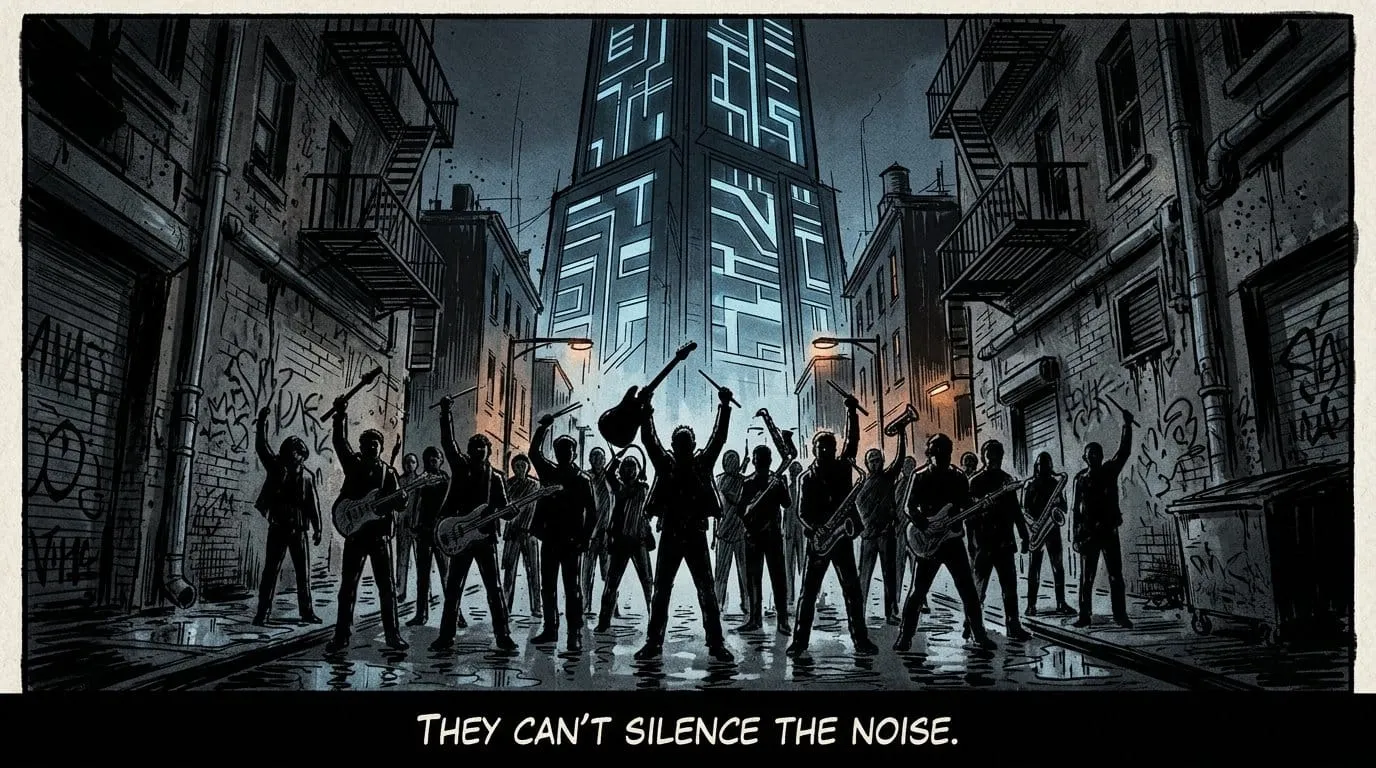
Musicians are taking to the streets to protect their work and their voices. In cities like New York, Los Angeles, and Austin, a new movement called 'NO AI SELLOUT' is gaining steam. These artists and advocacy groups are standing up against major record labels that are making deals with generative AI companies.
The protesters are not just asking for money; they are asking for respect. They want every individual musician to give consent before their recorded music is licensed to AI companies. They are also demanding full financial transparency. This means they want to know exactly how much money labels are making from these AI deals and where that money is going. For many working musicians, this is a fight to make sure they aren't replaced by the very technology their own music helped train.
The Legal Battle Over Secret Deals
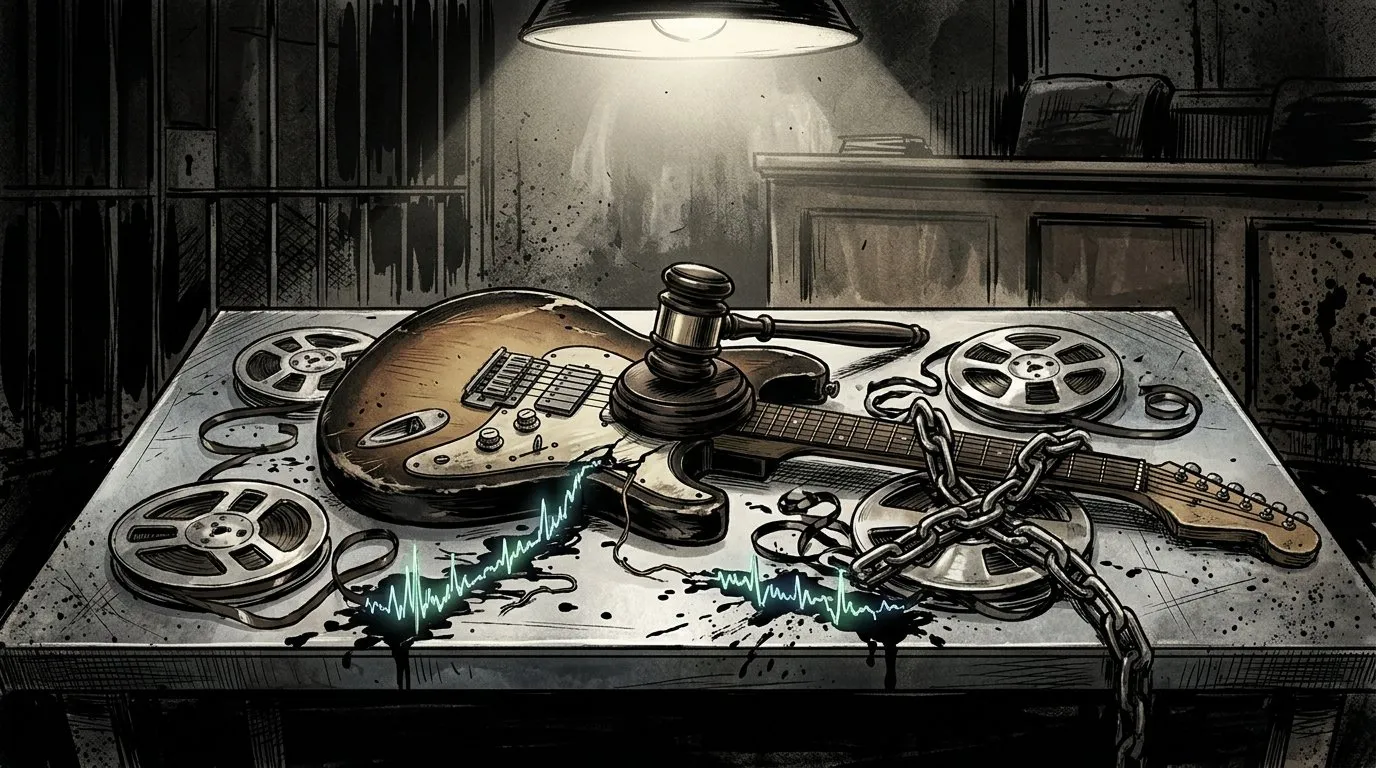
While artists protest in the streets, a different kind of fight is happening in the courtroom. The AI music startup Suno is currently locked in a legal battle with two of the biggest names in the business: Universal Music Group (UMG) and Sony Music.
The argument is about a settlement deal that Suno recently made with Warner Music Group. UMG and Sony want to see the details of that deal, but Suno is fighting to keep them secret. This might sound like boring legal paperwork, but it is actually very important. The outcome will decide who has the power when it comes to licensing deals in the AI era. It sets the stage for how much AI companies have to pay to use famous songs and how those deals are structured for the whole industry.
New Tools for Creative Control
Even with all the legal drama, the technology itself is getting more impressive every day. Musicful has just launched its v3.0 AI model, and it brings a feature that many creators have been waiting for: voice customization.
In the past, AI music often sounded a bit random. With this new update, musicians can create and reuse personalized AI voice profiles. This means a producer can keep a consistent vocal sound across an entire album, even if they are using AI to help generate the songs. This gives artists much more control over their vocal identity and helps them stay unique in a crowded digital world.
At the same time, Google is making waves with its Gemini Intelligence update. This update integrates the Lyria 3 music model more deeply into Google's systems. Now, users can create high-fidelity, three-minute tracks using simple text or image prompts. What makes this special is the level of detail. The AI can now understand musical structures, like adding a specific intro or a bridge, making the generated songs sound much more like something a human would write.
Building a Data Empire
One of the most surprising moves recently was Suno’s acquisition of Songkick. Songkick is a platform that millions of people use to discover live concerts and buy tickets. Industry experts believe this is part of a plan to build a "data empire."
By owning Songkick, an AI company like Suno can track what fans like in the digital world and then follow them into the real world of live events. This suggests a future where AI doesn't just help write the music; it curates the entire fan experience. It could predict which AI-generated songs will be hits and then tell fans exactly where to go to see a live show. This bridge between digital creation and live performance is a major shift for the music business.
The Rise of the Genius Co-Producer
Is it possible for a computer to write a hit song that truly moves people? This was the big question at the 2026 Music Tech Summit. Industry leaders spent hours debating the tension between AI’s technical skills and the human soul. While AI is great at predicting what notes should come next, many believe it still lacks the personal touch that makes a song a "hit."
However, the way we think about AI is shifting. Instead of seeing it as a replacement for artists, many now see it as a 'genius co-producer.' It is a tool that handles the technical side so humans can focus on the emotion.
This shift is already showing up in the numbers. A new report on 2026 music trends shows that over 60% of music producers now use AI tools in their daily work. They aren't necessarily using it to write the whole song. Instead, they use it for tasks like:
- Audio cleanup (removing unwanted noise)
- Stem separation (splitting a song into drums, vocals, and instruments)
- Mixing (making sure all the sounds balance perfectly)
Because so much AI is being used, platforms like Spotify and DistroKid have started using mandatory AI disclosure labels. This helps fans know exactly how much of a song was made by a human and how much was helped by a machine.
Looking Ahead
As we move further into 2026, the line between human creativity and artificial intelligence is getting thinner. We are seeing a world where artists have to fight for their rights while also embracing new tools that make them more productive. The growth of companies like Suno into live event data shows that AI is here to stay, not just in the studio, but in every part of the music world.
Whether AI will ever write a song that makes us cry as much as a human-written ballad remains to be seen. But one thing is clear: the "genius co-producer" is now a permanent member of the band. The challenge for the future will be making sure that as the technology grows, the humans behind the music are still the ones in control.
Sources: Musicians Plan 'NO AI SELLOUT' Protests Against Major Label Deals, Suno Battles UMG and Sony to Shield Warner Settlement Details, Musicful Launches v3.0 AI Model with Voice Customization, Analysis: Suno’s Acquisition of Songkick Signals a New 'Data Empire', Google Gemini Intelligence Update Enhances AI Music Generation, Music Tech Summit Debates the Future of AI-Generated Hit Songs, 2026 AI Music Trends: 60% of Producers Now Use AI Tools