AI Music in 2026: Professional Tools, Licensing, and the Rise of Voice Trolls
The world of music is changing faster than ever in 2026. While new technology is giving creators powerful tools to make hits, it is also creating new problems that independent artists have to navigate. From professional software that can write MIDI to scammers who steal voices, the music industry is entering a brand-new era.
The Rise of Professional AI Creative Suites
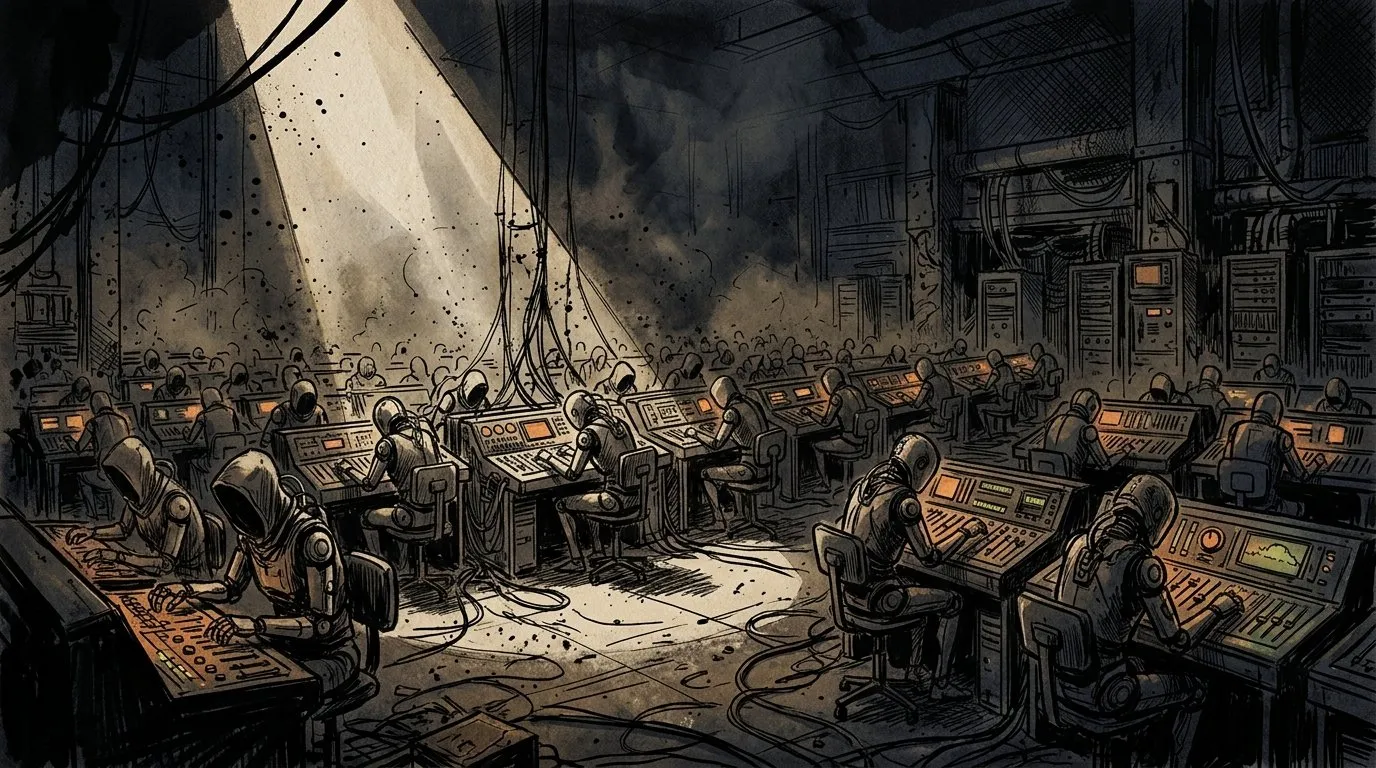
For a long time, many people thought of Artificial Intelligence in music as a way to make simple background tracks for YouTube videos or social media posts. However, in 2026, that has completely changed. AI music generators have evolved into full-scale professional creative platforms. These tools are no longer just for beginners; they are being used by professional producers to speed up their workflow.
One of the leading names in this shift is MakeBestMusic. This platform has moved beyond simple prompts to offer advanced features that professionals actually need. For example, it now includes MIDI editing, which allows producers to change individual notes in a melody that the AI created. It also offers multi-track separation, a feature that lets a user take a completed song and break it down into separate parts like drums, bass, and vocals.
Another major feature appearing in these professional suites is vocal cloning. This allows a producer to take a recording of a singer and apply that voice to a new melody. While this is incredibly powerful for making demos, it also creates a lot of questions about who owns a person's voice. As these tools become a standard part of Music Production, the line between human-made and machine-made art is becoming harder to see.
Making AI Legal: The Udio and Kobalt Deal
One of the biggest arguments in the music world has been about how AI models are trained. Many artists are worried that their songs are being used to teach AI without their permission. To solve this, some companies are choosing to work directly with the music industry instead of fighting it.
Udio, a popular AI music platform, has just signed a major licensing agreement with Kobalt Music Publishing. This is a huge deal because Kobalt is one of the most respected independent publishers in the world. By signing this deal, Udio is adding Kobalt to a list of partners that already includes UMG (Universal Music Group), Warner, and Merlin.
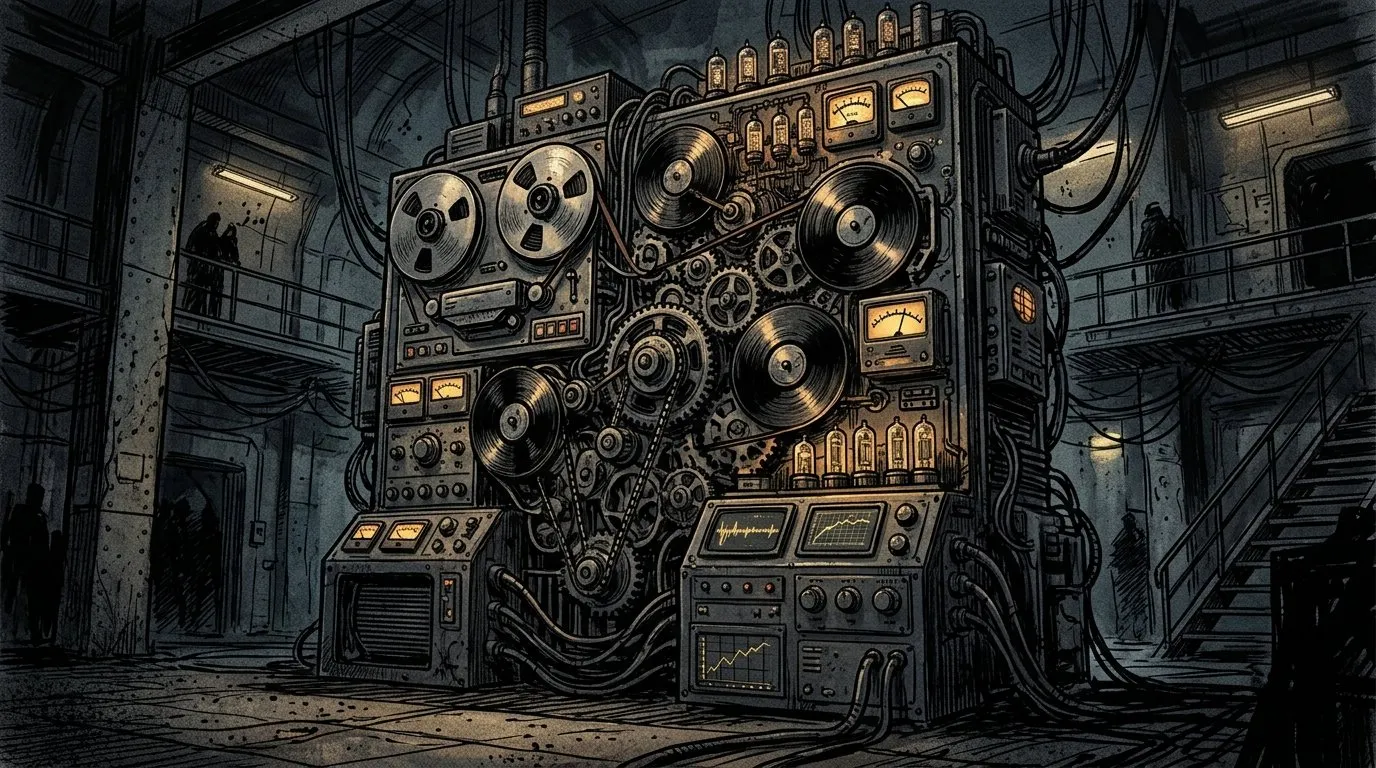
What does this mean for the average listener? It means that Udio is building a "legal pathway" for people to create AI music. The platform will be trained on catalogs of music that are officially licensed. This allows users to create remixes and covers while ensuring that the original songwriters and artists actually get paid. This movement toward licensed data is a major step in protecting Royalties for creators in the age of Music Technology.
The Dark Side: Copyright Trolls and Voice Theft
While some companies are trying to do things the right way, others are using AI to exploit independent artists. A recent and troubling case involves a folk singer named Murphy Campbell. Her story is a warning for every musician working today.
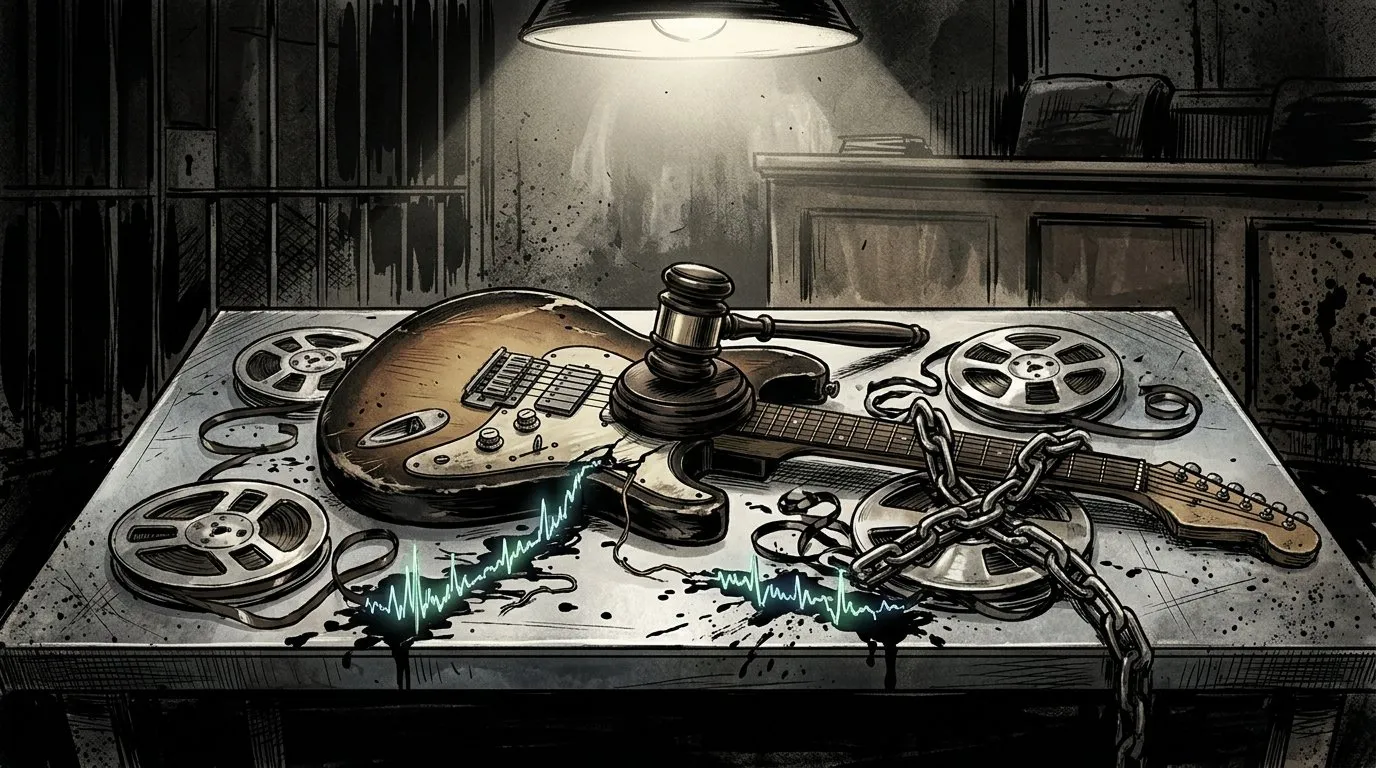
Murphy Campbell discovered that someone had used AI to clone her voice and release fake "cover songs" on her own official Music Streaming profiles. Even worse, she found that her own original YouTube videos were being flagged for copyright violations. A "copyright troll"—someone who makes fake ownership claims to steal money—had used her cloned voice to claim her original work as their own.
This is a growing trend in 2026. These trolls use automated Content ID systems to hijack the revenue of independent artists. Because the systems are often run by computers and not humans, it can be very difficult for a real artist to prove they are the victim. For Human Artists, this means they have to spend more time fighting legal battles and less time making music. It shows that while technology can help us create, it can also be used as a weapon to steal an artist's identity and livelihood.
How Scammers Exploit the System
The process these trolls use is surprisingly simple but very damaging. First, they take a high-quality recording of an artist like Murphy Campbell. They feed that audio into a voice-cloning tool. Then, they generate new songs that sound exactly like that artist. They upload these songs to platforms like Spotify and YouTube, often using the artist’s name or a very similar one.
Once the songs are live, the trolls use automated systems to claim that any video using that voice belongs to them. This diverts the money from the real artist to the scammer. Because the Music Business relies so heavily on automated systems to manage millions of songs, these fake claims can stay active for weeks or months before a human ever looks at them. For an independent artist, losing a few months of income can be devastating.
Protecting the Future of Music
As we look at these different stories, it is clear that the industry is at a crossroads. On one hand, we have platforms like MakeBestMusic and Udio trying to provide professional tools and legal ways to use AI. They are working with publishers like Kobalt to make sure the system is fair. On the other hand, we have the reality of people like Murphy Campbell who are being targeted by high-tech thieves.
To protect the future of music, there needs to be a balance. Streaming platforms and video sites need better ways to verify who a person is before they allow a copyright claim to go through. Artists also need better tools to protect their unique "vocal fingerprint" from being cloned without permission.
Looking Ahead
The year 2026 is proving to be a turning point for the Music Business. We are seeing the birth of professional AI tools that could help the next generation of superstars create music in their bedrooms. We are also seeing the industry’s biggest players come together to create a legal framework for AI training.
However, the story of Murphy Campbell reminds us that technology is only as good as the people using it. As we move forward, the focus must remain on the Human Artists who provide the soul and inspiration for the music we love. Whether through new laws, better platform security, or fair licensing deals, protecting the creator is the only way to ensure that the music industry stays healthy in the AI age.
Sources: Independent Musician Targeted by AI Voice Cloning and Copyright Trolls, AI Music Generators Evolve into Professional Creative Platforms, Udio Inks Licensing Agreement with Kobalt Music Publishing