AI Music Wars: How Spotify and Musixmatch Are Protecting Human Artists
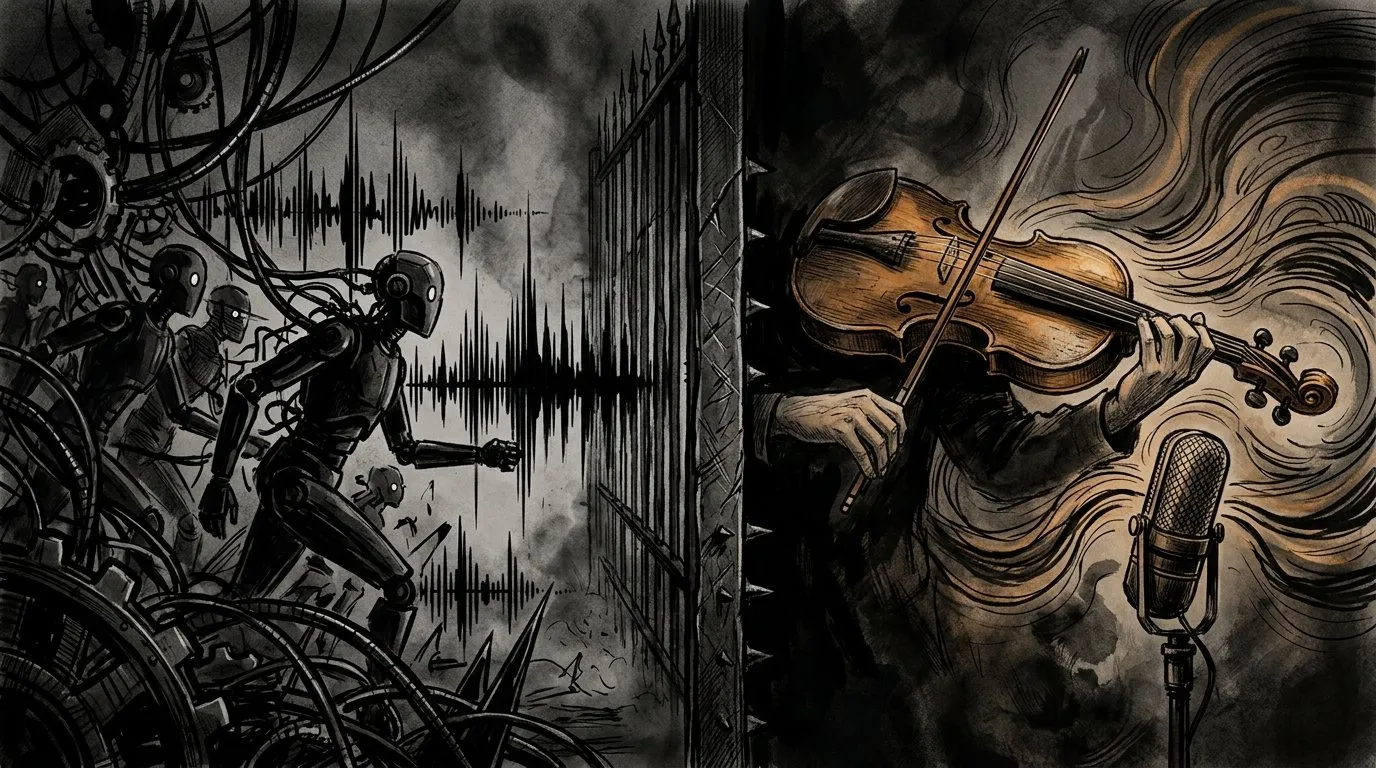
The world of music is changing faster than ever because of Artificial Intelligence. New tools are helping protect creators, while a recent study shows that listeners are having a hard time telling the difference between humans and machines. As technology advances, the industry is racing to find a balance between innovation and protecting the rights of songwriters and performers.
Spotify Fights Back Against AI Impersonation
One of the biggest problems facing the music industry today is the rise of AI slop. This term refers to low-quality, AI-generated tracks that flood streaming platforms. Sometimes, these tracks are even designed to sound like famous artists. Scammers have been using AI to create songs that mimic the voices of stars, then uploading them to those artists' official pages. This confuses fans and steals money from the real creators.
To stop this, Spotify has launched a new feature called Artist Profile Protection. This tool gives control back to the musicians. Before, a distributor could upload a song to an artist’s profile without much oversight. Now, with this new protection, artists can review and approve every single release before it goes live on their official page. This prevents scammers from hijacking established profiles and ensures that only authentic music reaches the listeners.
By adding this layer of security, Spotify is trying to clean up its platform. It is a direct response to the surge in unauthorized clones that have been popping up over the last year. For many artists, their profile is their brand, and having it filled with fake music can be damaging to their reputation. This new tool is a major step in keeping the streaming experience honest for everyone involved.
Real-Time Lyric Surveillance with Musixmatch Sentinel
While Spotify is protecting profiles, Musixmatch is focusing on the words themselves. The company recently introduced a system called Sentinel. This is a real-time detection system designed to find copyrighted lyrics within AI-generated content. The most impressive part is its speed; it can identify these lyrics in just milliseconds.
Generative AI models often learn by reading millions of lines of text, including song lyrics. Sometimes, these models then output lyrics that are exactly the same as those written by human songwriters. Without proper tracking, the original songwriters never get paid for their work. Musixmatch Sentinel acts as a surveillance system to ensure proper attribution and compensation.
When the system detects a copyrighted lyric being used by an AI, it flags it immediately. This allows the owners of the music to know exactly where their work is being used. For songwriters, this is a huge win. In the age of Music Technology, it can be hard to keep track of where your art ends up. Sentinel provides a way to make sure that if a machine uses a human’s words, the human still gets the credit they deserve.
The Great AI Confusion: Can You Tell the Difference?
As these protective tools are being built, a new survey has revealed a shocking truth about how we listen to music. A global study conducted by Deezer and Ipsos found that 97% of listeners cannot tell the difference between AI-generated music and human-made music. In blind tests, almost everyone was unable to pick out which song was made by a person and which was made by a computer.
This data has sparked intense debates within the Music Business. If listeners cannot tell the difference, does it matter who made the music? For many industry professionals, the answer is a resounding "yes." The fear is that AI could eventually lead to the displacement of human composers. If a company can generate a song for free using a machine that sounds just as good as a human-made track, they might stop hiring real musicians.
This shift in creation is forcing the industry to rethink what it means to be an artist. If the technology is so good that it can fool nearly 100% of the population, then the value of human creativity must be protected in other ways. This is why the push for new laws and streaming rules has become so urgent.
The Campaign for 'Human-Made' Labels
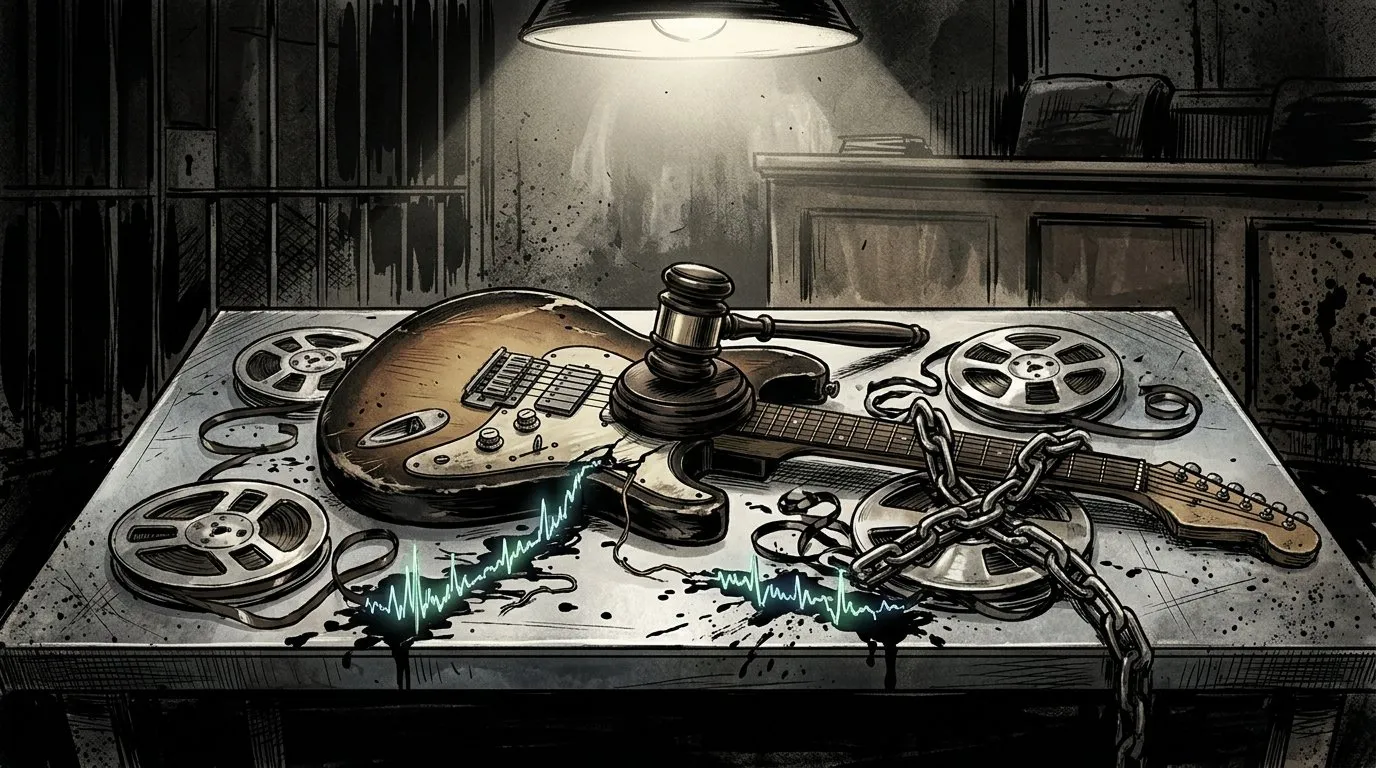
Because AI music is becoming so hard to identify by ear, a coalition of music creators and industry advocates has started a new campaign. They are pushing for mandatory human-made labels on all streaming platforms. Just like food labels tell you if something is organic, these labels would tell listeners if a song was actually written and performed by a person.
Reports show that AI-generated tracks are flooding platforms like Spotify and Deezer, often making it harder for traditional artists to be seen. When thousands of AI songs are uploaded every day, human artists can get lost in the noise. This threatens their visibility and their income. By requiring a "Human-Made" label, creators hope to give listeners the choice to support real people.
This movement isn't just about labels; it's about the future of the Music Production world. Advocates believe that humans bring a level of emotion and experience to music that a machine simply cannot, even if the machine can mimic the sound perfectly. They want to make sure that the human element of music is celebrated and protected, rather than hidden behind an algorithm.
Looking Ahead
The battle between human creativity and Artificial Intelligence is just beginning. Tools like Musixmatch Sentinel and Spotify's Artist Profile Protection show that the industry is taking the threat of scams and copyright theft seriously. However, the Deezer survey proves that the technology is already incredibly advanced.
In the coming years, we will likely see more debates about how music is labeled and how Royalties are paid. The goal for many is not to ban AI entirely, but to ensure it is used fairly. As long as there are systems in place to protect the identity and the income of human artists, there may be a way for both humans and machines to exist in the same playlist. For now, the focus remains on keeping music authentic and making sure that the people who write the songs we love are the ones who benefit from them.
Sources: Musixmatch Launches 'Sentinel' for Real-Time AI Lyric Fingerprinting, Spotify Introduces 'Artist Profile Protection' to Combat AI Impersonation, Survey Reveals 97% of Listeners Cannot Distinguish AI from Human Music, Creators Push for Mandatory 'Human-Made' Labels on Streaming Platforms