The New Era of AI Music: Empowering Songwriters and Protecting Artists
The world of music is changing faster than ever because of technology. From new tools in Nashville to better protection on social media, creators are finding new ways to work with computers. These updates show that while technology is powerful, the heart of music still belongs to people.
Soundbreak AI: A New Tool for Nashville Songwriters
A new platform called Soundbreak AI has recently launched in Nashville, a city known worldwide as the heart of professional songwriting. This tool is designed with a specific goal: to give creators more control over their work. In the past, some professional songwriters felt a sense of "shame" when using artificial intelligence. They worried that using tech might make their music feel less authentic.
Soundbreak AI changes this by putting the human first. The platform allows writers to alter vocal demos and experiment with different musical arrangements. However, the lyrics and the core composition still come from the human creator. This is a big step for Music Production. Instead of the AI making the choices, the songwriter uses the AI to hear what their ideas might sound like with different singers or instruments. This helps writers save time and money while keeping their creative vision intact. By focusing on human-originated work, the platform helps bridge the gap between traditional talent and modern technology.
Protecting Intellectual Property on TikTok
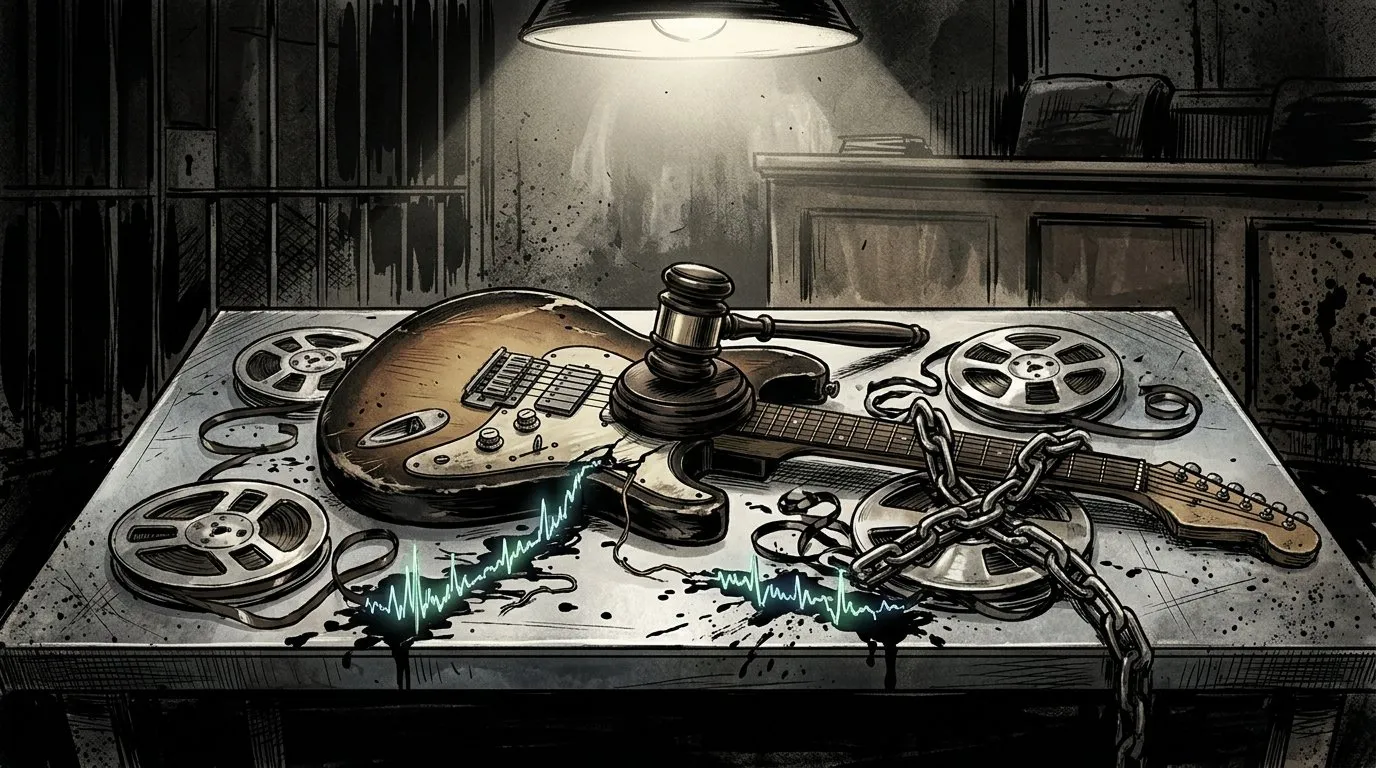
As it becomes easier to create music with a computer, the industry is also finding new ways to protect Human Artists. TikTok's music distribution platform, SoundOn, has introduced a new service to detect derivative works. This technology is designed to identify when copyrighted music is used without permission in AI-generated remixes or covers.
This move is part of a larger trend in the Music Business to fight against what many call AI-generated "slop." This term refers to low-quality or fraudulent tracks that are uploaded to streaming platforms just to trick the system. Leaders in the industry, such as Sir Lucian Grainge from UMG, have been vocal about the need for better AI strategies. By using advanced detection tools, SoundOn helps ensure that original creators are credited and paid for their work. It acts as a digital detective, making sure that a computer-generated remix doesn't steal the spotlight—or the Royalties—from the person who wrote the original song.
Why Detection Matters for Creators
For many independent artists, Music Streaming is a primary way to reach fans. When the market is flooded with fake tracks or unauthorized covers, it becomes harder for real artists to get noticed. The integration of derivative works detection is a win for everyone who values original creativity. It provides a safer environment for labels and artists to share their music without fearing that their intellectual property will be misused by automated systems.
Reaching the Saturation Point
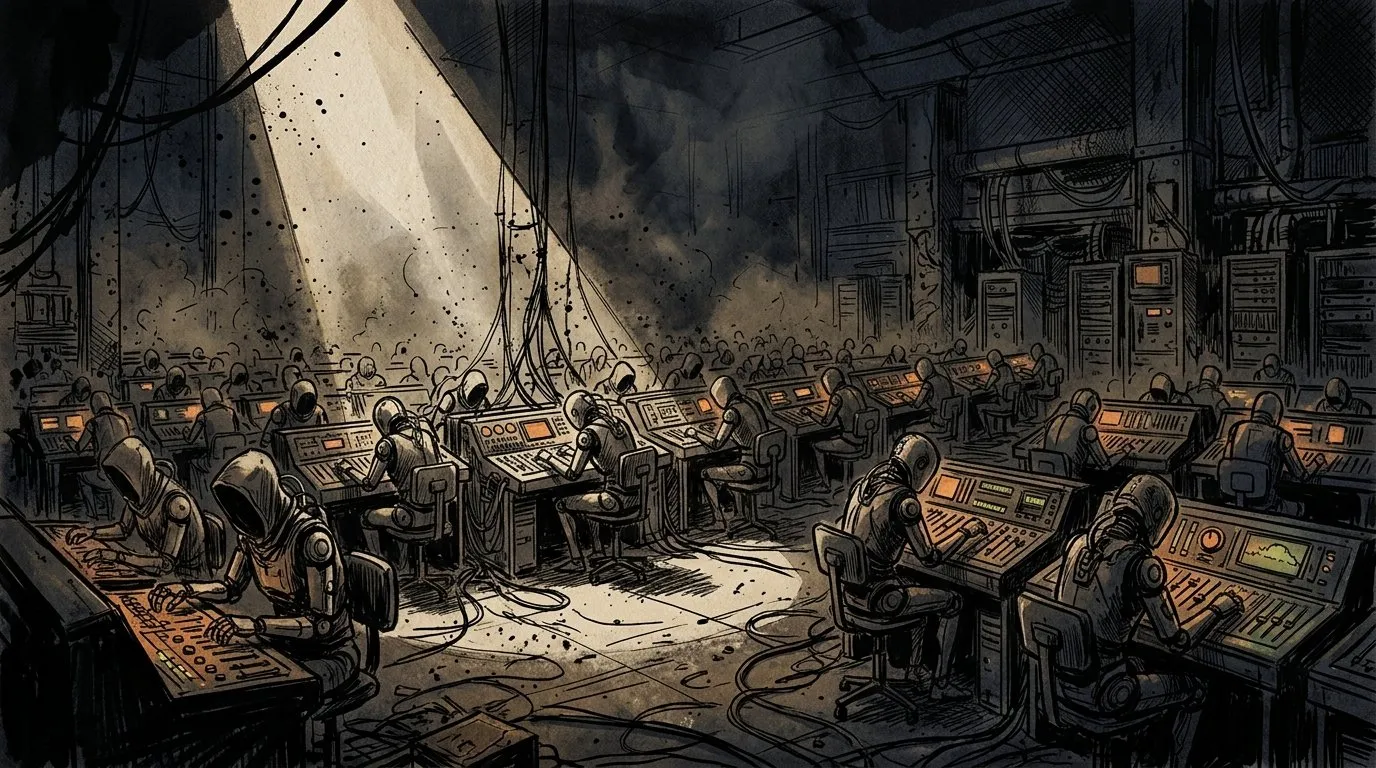
While AI makes it easy to create music, we are now seeing a major shift in the market. A new industry report suggests that the AI music economy has reached a "saturation point." This means that there are now more AI-generated tracks being uploaded every single day than there are listeners to hear them.
When there is too much of something, the value often goes down. Because anyone can now use a computer to generate thousands of songs, simply having a high volume of music is no longer enough to be successful. This is forcing producers and artists to rethink their strategies. Instead of trying to flood the market with tracks, they are focusing on building a strong personal identity. Fans want to connect with a real person and a real story, not just a random sound file.
The Rise of Onchain Ownership
To stand out in a crowded market, many creators are turning to onchain decentralized ownership. This uses blockchain technology to create a digital record of who owns a song. Unlike traditional systems that can be slow and confusing, onchain systems provide a clear and permanent way to track ownership. This is becoming a vital tool for artists who want to maintain control in a world where AI can copy sounds instantly. By combining a unique personal brand with secure, decentralized ownership, artists can protect their careers even as the amount of AI music continues to grow.
Looking Ahead
The future of music technology is not about computers replacing humans. Instead, it is about creating a balance. Tools like Soundbreak AI show how technology can help a songwriter’s vision come to life more easily. At the same time, platforms like SoundOn are building the fences needed to protect those creators from digital theft.
As we move past the saturation point of AI-generated content, the value of a unique human voice will only increase. The artists who succeed will be those who use technology to enhance their craft while staying true to their own identity. Whether through better protection or new ways to prove ownership, the industry is working hard to ensure that music remains a human-led art form.
Sources: Soundbreak AI Platform Launches to Empower Songwriters, TikTok SoundOn Integrates Derivative Works Detection, AI Music Economy Shifts Toward 'Saturation Point'