Protecting Music in 2026: YouTube, Voice Cloning, and the Fight for Artists
The world of music is standing at a major crossroads. As we move through 2026, Artificial Intelligence is no longer just a fun way to make silly songs or simple beats. It has become a powerful force that is changing how music is made, shared, and protected. From the world's biggest video platforms to independent folk singers, everyone in the industry is feeling the impact of this new technology. This year is proving to be a turning point for how we value human creativity.
YouTube’s Plan to Clean Up 'AI Slop'
One of the biggest names in the tech world, YouTube CEO Neal Mohan, recently shared his vision for the platform's future. His main goal for the 2026 roadmap is to protect the quality of content that billions of people watch every day. He is specifically focusing on a problem known as 'AI slop.'
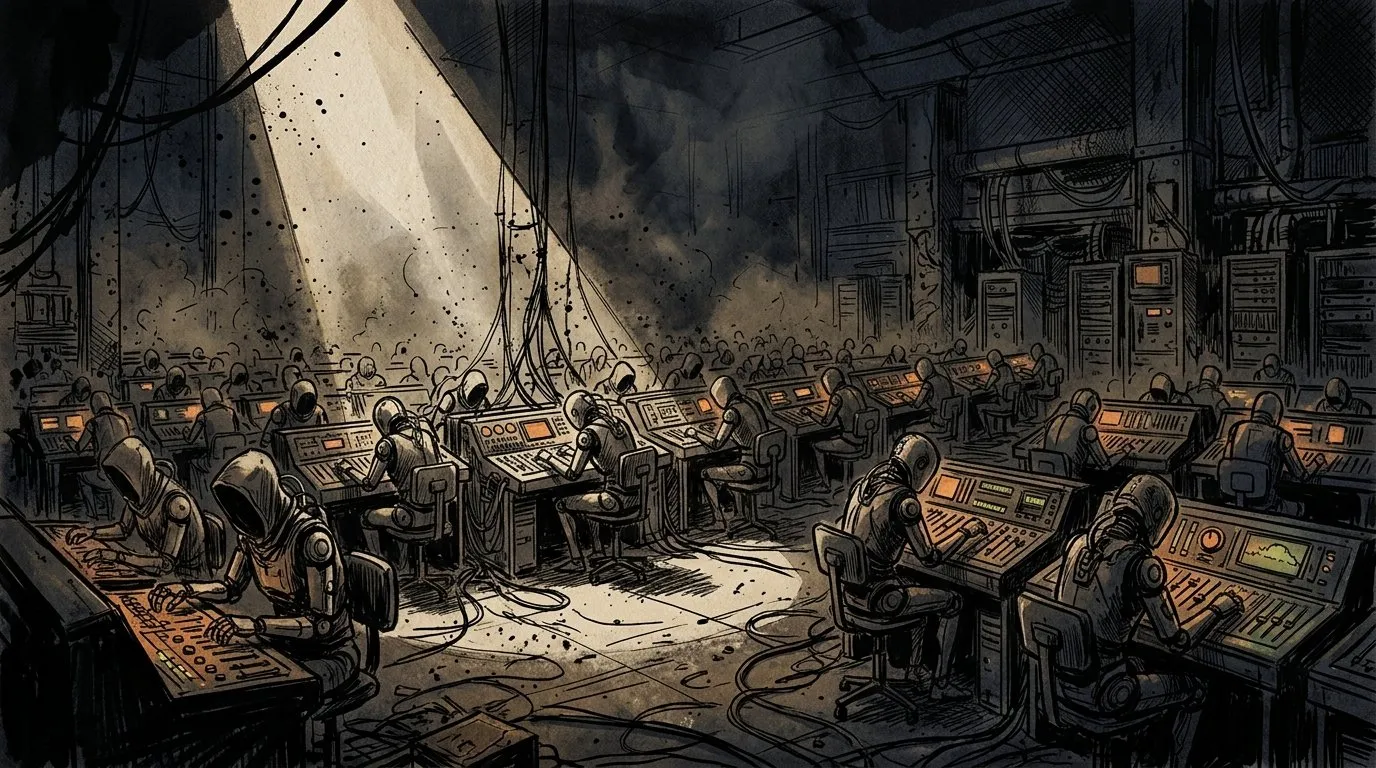
But what exactly is AI slop? Imagine opening your favorite app and seeing thousands of low-quality, boring videos that were all made by a computer in just a few seconds. This kind of content can quickly clutter up the internet, making it hard to find real videos made by real people. If there is too much slop, the work of Human Artists who spend weeks or months on a single project can get lost in the noise. YouTube wants to make sure that doesn't happen.
New Tools for Creator Innovation
To help solve this, Neal Mohan is introducing new tools to help creators protect their 'digital likeness.' This is a term that refers to your face and your voice. If someone uses AI to make a video of you saying or doing things you never actually did, it can be very damaging. YouTube plans to give creators more power to manage how their image is used.
Additionally, the platform will start requiring mandatory disclosure labels. This means that if a video looks real but was actually made using synthetic media, the creator must tell the audience. This transparency is a big step in helping viewers understand what is real and what is generated by a machine. By focusing on these priorities, YouTube hopes to keep the platform a place for genuine innovation rather than just a home for mass-produced computer files.
The Scary Reality of AI Voice Cloning
While big companies are making plans for the future, some artists are already dealing with the dark side of AI today. A folk artist named Murphy Campbell recently shared a story that sounds like something out of a science fiction movie. She discovered that someone had used AI to clone her voice without her permission.
These AI-generated 'covers' of her songs were being uploaded to Music Streaming sites like Spotify. Because the AI sounded just like her, it was easy for listeners to be fooled. This is a nightmare for any musician, but it is especially hard for independent artists who rely on their unique voice to build a career. If anyone can use a computer to sound exactly like a famous or talented singer, the value of that singer's hard work begins to fade.
Fighting Back Against Copyright Trolls
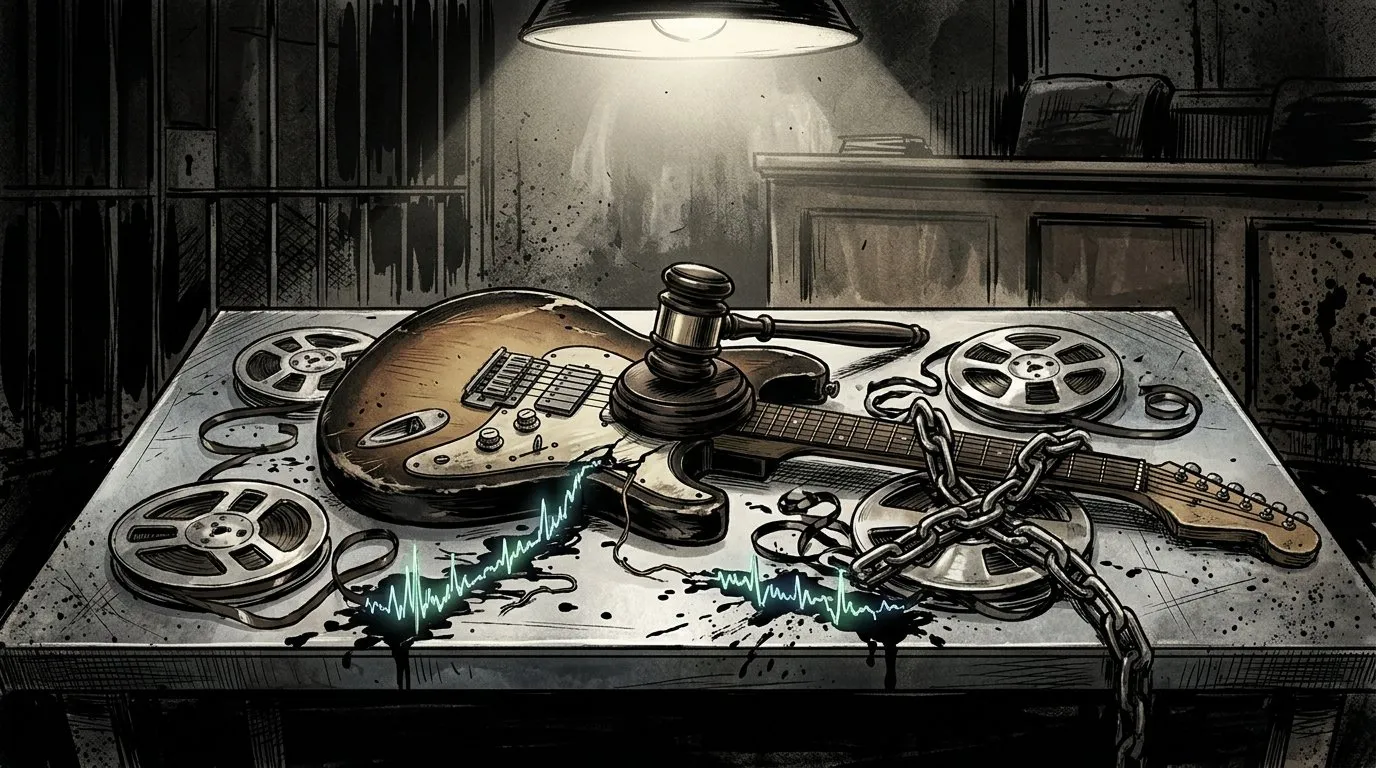
It did not stop at just cloning her voice. Murphy Campbell also had to deal with what people call a 'copyright troll.' This is a person or group that uses fraudulent claims to steal money from creators. In this case, the troll used her likeness to claim her own original recordings on YouTube.
When a troll successfully claims a video, they can take the Royalties that should have gone to the artist. This means the money Murphy Campbell earned from her music was being sent to someone else. This incident highlights a growing crisis in the Music Business. AI tools are making it easier for people to hijack an artist's identity and exploit the systems that are supposed to pay musicians fairly. It shows that even with new technology, we still need strong rules and human oversight to keep things fair.
The 'Say No To Suno' Movement
It is not just individual artists who are worried. A large group of professional songwriters and rights organizations have joined together to launch a campaign called 'Say No To Suno.' Suno AI is a platform that allows users to create entire songs just by typing in a few words. While the technology is impressive, the creators of the campaign say there is a massive ethical problem behind the scenes.
The Problem with Unauthorized Training
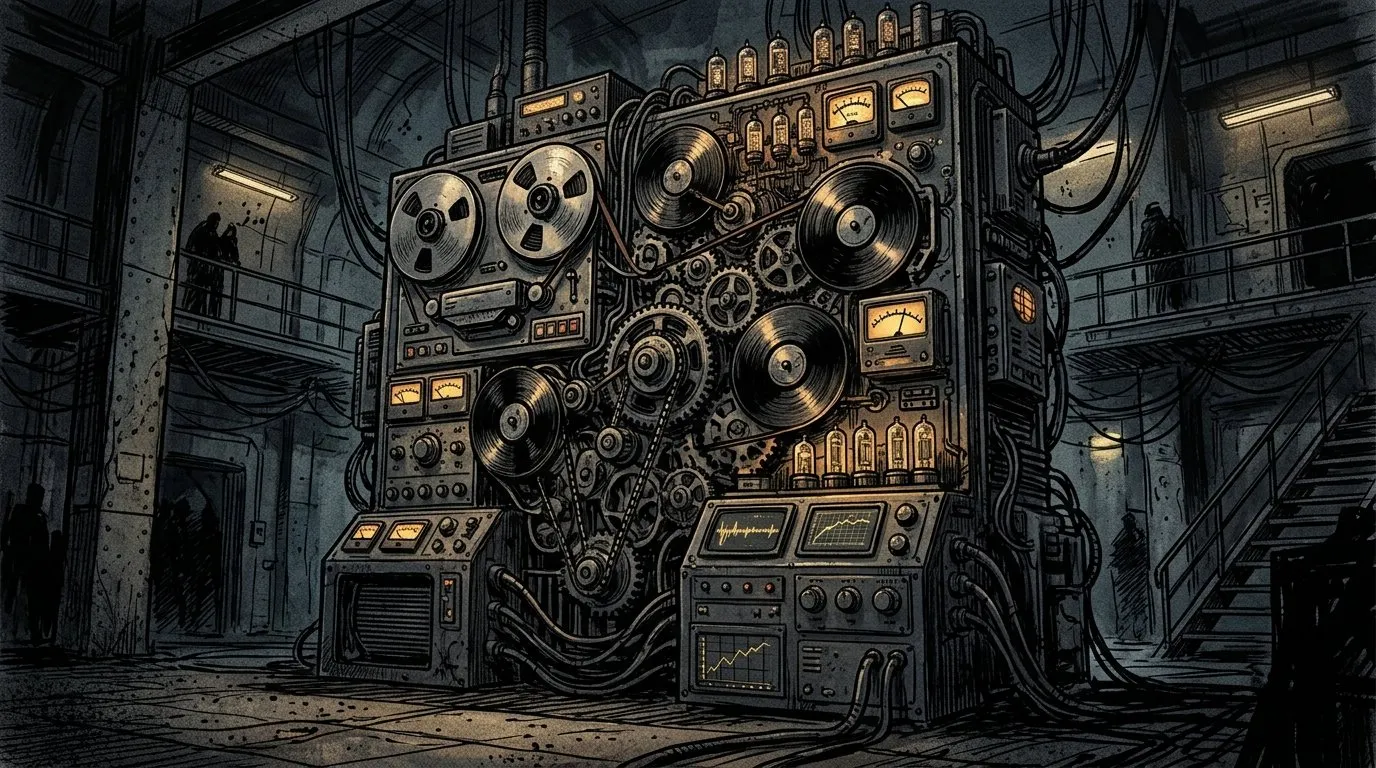
The 'Say No To Suno' campaign claims that the platform's AI models were trained using unauthorized human works. In other words, they believe the company took thousands of songs written by real people and fed them into a computer without asking for permission or paying the original creators.
The group calls this a 'smash and grab' business model. They argue that it is unfair for a company to build a profitable product by using the hard work of others for free. By writing an open letter to the industry, these songwriters are asking music companies and fans to reject AI models that do not respect the rights of humans. They believe that Music Production should always be based on fair deals and respect for the people who write the melodies and lyrics we love.
Why Platform Accountability Matters
These three stories show us that the Music Technology world is at a breaking point. On one hand, we have amazing new ways to create. On the other hand, we have a system where it is becoming easier to steal an artist's voice, their money, and their original ideas.
This is why platform accountability is so important. When YouTube promises to create tools for digital likeness, they are responding to the exact kind of problem Murphy Campbell faced. When songwriters protest against Suno AI, they are trying to prevent a future where human creativity is treated like a free resource for big tech companies. If we want to keep having great music, the platforms that host that music must be active in protecting the people who make it.
Looking Ahead
As we look toward the future of the Music Business, it is clear that the fight for artist rights is just beginning. The year 2026 will likely be remembered as the time when the industry started to set firm boundaries for Artificial Intelligence.
We can hope for a future where AI is used to help artists, not replace them or steal from them. Whether it is through new labels on YouTube, better protection against voice cloning, or more ethical training methods for AI models, the goal is the same: to keep music human. Fans can help by supporting artists directly and staying informed about where their favorite music comes from. By working together, we can ensure that technology serves creativity, rather than the other way around.
Sources: YouTube CEO outlines 2026 priorities with focus on AI content and creator innovation, A folk musician had her voice cloned by AI and her recordings claimed by a copyright troll. Welcome to 2026., Song Biz April 2026: What’s Going On This Month?