AI in Music: Protecting Artists and Predicting Hits in 2026
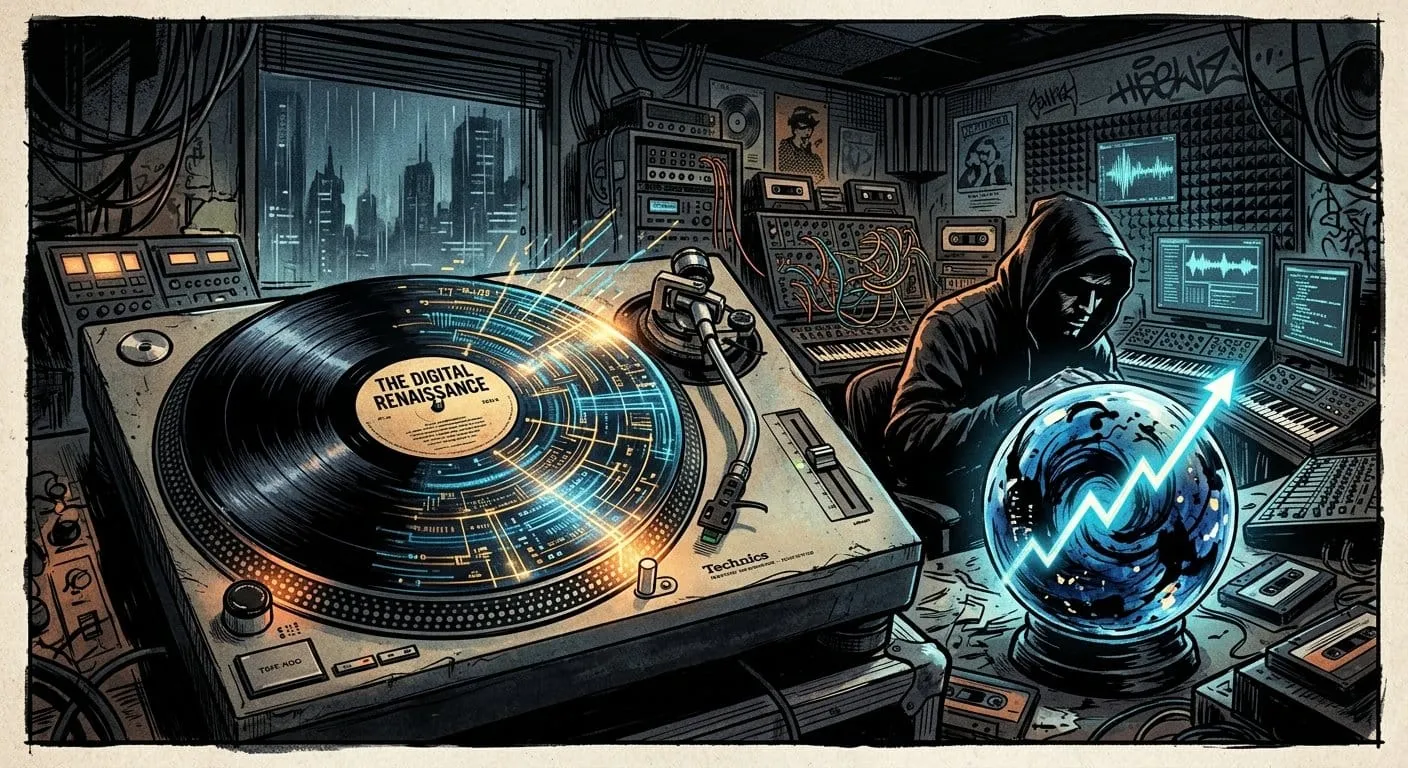
The world of music is changing faster than ever because of new technology. From how songs are made to how they are shared with the world, artificial intelligence is playing a huge role in every step of the process. In this update, we look at how some companies are fighting to protect human creators while others are building amazing new tools to help musicians succeed.
Protecting Human Creators in the AI Era
One of the biggest conversations in the industry right now is about who owns music. Many Generative AI tools are trained by "listening" to millions of songs. Often, the artists who made those songs did not give permission for their work to be used this way. To help solve this problem, a music distributor called Unchained Music has taken a very bold step.
Unchained Music recently launched a new policy to protect the people who make music. They have decided to ban all content that comes from unlicensed platforms. Specifically, they named platforms like Suno and Mureka as sources they will no longer accept. This means that if a person uses those specific AI tools to make a song, they cannot use Unchained Music to put that song on streaming services like Spotify or Apple Music.
This is a major move for the Music Business. By setting these rules, the company is standing up for Human Artists. They also made a big promise: they will never use the music from their own artists to train AI models. This sets a new standard for how distributors should treat the people they work with. It ensures that a musician's hard work isn't used to create a computer program that might eventually replace them.
Using AI to Predict the Next Big Hit
While some people are worried about AI replacing humans, others are using it to understand what listeners like. A new study published in the famous journal Nature shows that AI can actually act like a crystal ball for the music charts. Researchers found that AI can look at data from social media to predict which songs will become popular.
In the past, it took a long time to figure out if a song was a hit. Now, the study shows that activity on TikTok and YouTube can predict if a song will enter the charts in just one to three days. The AI looks at how people are sharing and using the music in their own videos. Because Music Streaming is so fast, the data moves quickly. This technology helps record labels and artists understand what is trending almost in real-time. Instead of guessing what people want to hear, they can use these early signals to plan their marketing and tours.
The Rise of the Generative Audio Workstation
For the people actually making the music, the tools are getting much smarter. A new platform called Mozart AI has just launched, and it is calling itself a "Generative Audio Workstation." This is a new take on the traditional software that producers use, known as a DAW.
What makes Mozart AI different is that it combines a generative song engine with professional studio tools. It is designed to help anyone make music, even if they don't have years of technical training. One of its most impressive features is stem splitting, which allows a producer to take a finished song and separate it into different parts, like the drums, the bass, and the vocals. It also offers audio-to-MIDI conversion, which turns recorded sounds into digital notes that can be edited easily.
The platform uses a smart AI agent to handle difficult tasks like mixing and arranging. This means a creator can focus on the melody and the feeling of the song while the AI handles the technical side. It is a big step forward in Music Production because it lowers the bar for entry, allowing more people to turn their ideas into high-quality audio.
New Hardware for Live Performance
AI isn't just staying inside our computers; it is also moving into physical gear that musicians can use on stage. At the Superbooth 2026 event, two companies named Roland and Neutone showed off the second phase of a very cool device called Project LYDIA.
Project LYDIA is a neural sampling stompbox. A stompbox is a small pedal that guitarists and other musicians use to change the sound of their instruments. This specific pedal uses AI to apply special tonal qualities to live audio. For example, a musician could play a simple note on a keyboard, and the pedal could use AI to make it sound like a rare vintage instrument or a completely new sound that has never been heard before.
In this new version, the creators added an onboard display and MIDI connectivity. This makes it much easier for professional musicians to use during a concert. It shows that Music Technology is moving toward a future where AI is a live partner for the performer, not just something used in a studio. This kind of "neural sampling" allows for creative sounds that were impossible just a few years ago.
Looking Ahead
The landscape of the music world is shifting under our feet. On one hand, we see companies like Unchained Music building fences to protect the rights of human creators. They want to make sure that Technological Disruption does not mean the end of fair pay for artists. On the other hand, tools like Mozart AI and Project LYDIA are giving musicians more power than ever to create and perform in new ways.
As AI continues to get better at predicting hits and helping us write songs, the most important thing will be balance. The industry is learning how to embrace these new tools without losing the human heart that makes music special. Whether you are a fan listening to a predicted hit on TikTok or a producer using a smart DAW, the future of music looks like a partnership between human creativity and machine intelligence.
Sources: Unchained Music Bans Suno and Mureka Content, Pledges No AI Training on Artist Catalog, Nature Study Reveals AI as an Early Signal for Music Popularity, Mozart AI Launches as a 'Generative Audio Workstation' for Producers, Roland and Neutone Unveil Project LYDIA Phase 2 at Superbooth 2026


