The Secret AI Revolution: How Music Production is Changing in 2026
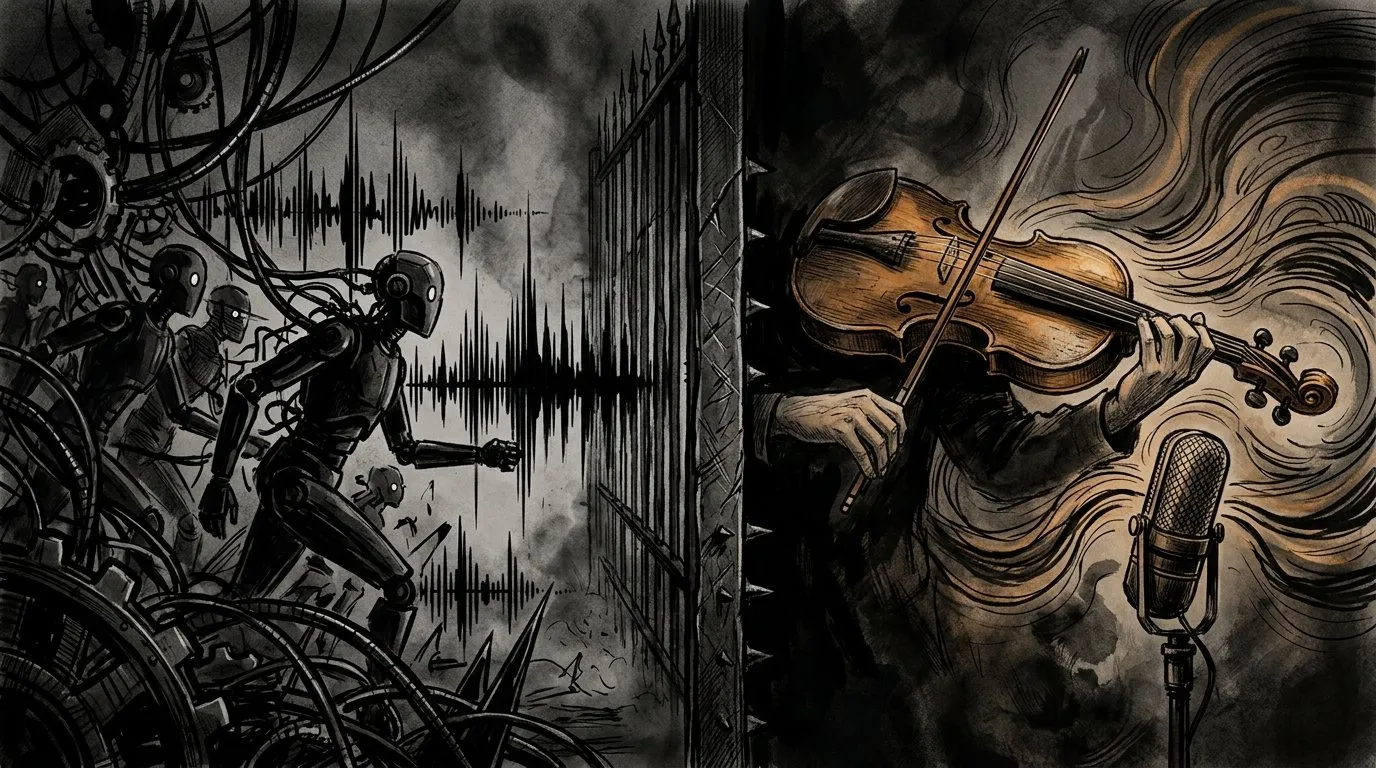
The world of music is changing faster than ever before. If you listen to a new track today, there is a very good chance that Artificial Intelligence helped create it. While many artists are using these tools in secret, the impact of AI on the music industry is now too big to ignore.
The Secret Sauce of Modern Music
For a long time, using AI in music was seen as "cheating." Many people thought that a computer making music would take the soul out of the art. However, a new trend is emerging among professional producers. They are using AI tools like Suno and Udio to help them work faster, but they are not always telling their fans about it.
According to recent reports, artists at all levels are using these tools to bridge the gap between having an idea and making that idea real. This is known as reducing "friction." Sometimes, a producer has a great melody in their head but cannot quite get it right on a keyboard. AI helps them generate that starting point in seconds.
Iconic producers Alan Braxe and Fred Falke have weighed in on this shift. They do not see AI as a threat. Instead, they view it as the "next evolution of sampling." Just as hip-hop producers in the 1980s used pieces of old records to make something new, modern producers are using AI to create new sounds to build upon. While traditionalists might still be skeptical, the pros are moving forward.
A Massive Surge in Popularity
The numbers behind this shift are staggering. The new IMS Electronic Music Business Report 2025/26 shows that the AI music world is booming. Since 2023, revenue from generative AI and stem separation tools has grown by a massive 651%. This industry is now worth $333 million as of 2025.
With 63 million monthly active users, these tools are no longer just for tech enthusiasts. They are at the very center of a major shift in the Music Business. This growth is actually rebalancing the creator economy. Instead of only using traditional software that takes years to learn, more people are finding ways to express themselves through AI-assisted technology.
The Battle for the Market: Suno vs. Udio
Not all AI tools are created equal, and the market is currently being dominated by one major player. The SIQA Q1 2026 AI Music Intelligence Report shows that Suno has captured a whopping 90.4% of the commercial AI music market. This means that nearly every AI song you hear on the radio or a streaming platform likely started in Suno.
On the other side of the fence, Udio has seen its market share drop below 1%. This happened because of a major decision to disable downloads during a licensing transition with major record labels. Because users could not download their creations to use in professional projects, Udio effectively opted out of the commercial release pipeline. This shows how important it is for AI companies to work well with the existing music industry and its legal rules.
From One-Click Songs to Hybrid Workflows
In the early days of AI, people would click a button and let the computer write a whole song. That is changing. Producers are becoming more sophisticated in how they use these tools. The community is moving toward what is called a Hybrid DAW Workflow.
Instead of letting the AI do everything, producers use tools like Suno or Udio only for the initial "spark." They might generate a catchy melody or a unique vocal idea. Then, they take those individual pieces—known as stems—and pull them into a Digital Audio Workstation (DAW).
In the DAW, the human producer takes back control. They arrange the song, add their own instruments, and mix the sounds to perfection. This hybrid approach is important for two reasons:
- Creative Control: It ensures the music sounds exactly how the artist wants it to sound.
- Copyright Eligibility: To own the rights to a song, there usually needs to be a significant amount of human creativity involved. By using AI only for the building blocks, artists can ensure they own their work.
Why This Matters for the Future
This shift shows that AI is becoming just another tool in the producer's toolkit, like a guitar or a synthesizer. The goal is no longer to replace the human, but to give the human more options. As these tools become more mature, the line between "AI music" and "human music" will continue to blur.
Looking Ahead
As we move through 2026, the conversation around AI in music is shifting from "Should we use it?" to "How do we use it best?" The massive revenue growth and the millions of active users prove that AI is here to stay. Whether it is used in secret or celebrated openly, generative technology is the new frontier of Music Production.
The most successful artists of the future will likely be those who can balance the speed of AI with the heart and soul of human emotion. While Suno currently leads the pack, the entire industry is watching to see how new laws and better workflows will shape the sounds of tomorrow. One thing is for sure: the music you love is evolving, and AI is the engine under the hood.
Sources: Electronic Music Producers Increasingly Using AI Tools in Secret, AI Music Tool Maturity: Producers Shift to Hybrid DAW Workflows, Suno Dominates 90% of Commercial AI Music Market in Q1 2026, IMS 2026 Report: AI Music Tools See 651% Revenue Surge