AI Music in 2026: Big Lawsuits, New Tools, and How the Pros Are Using It
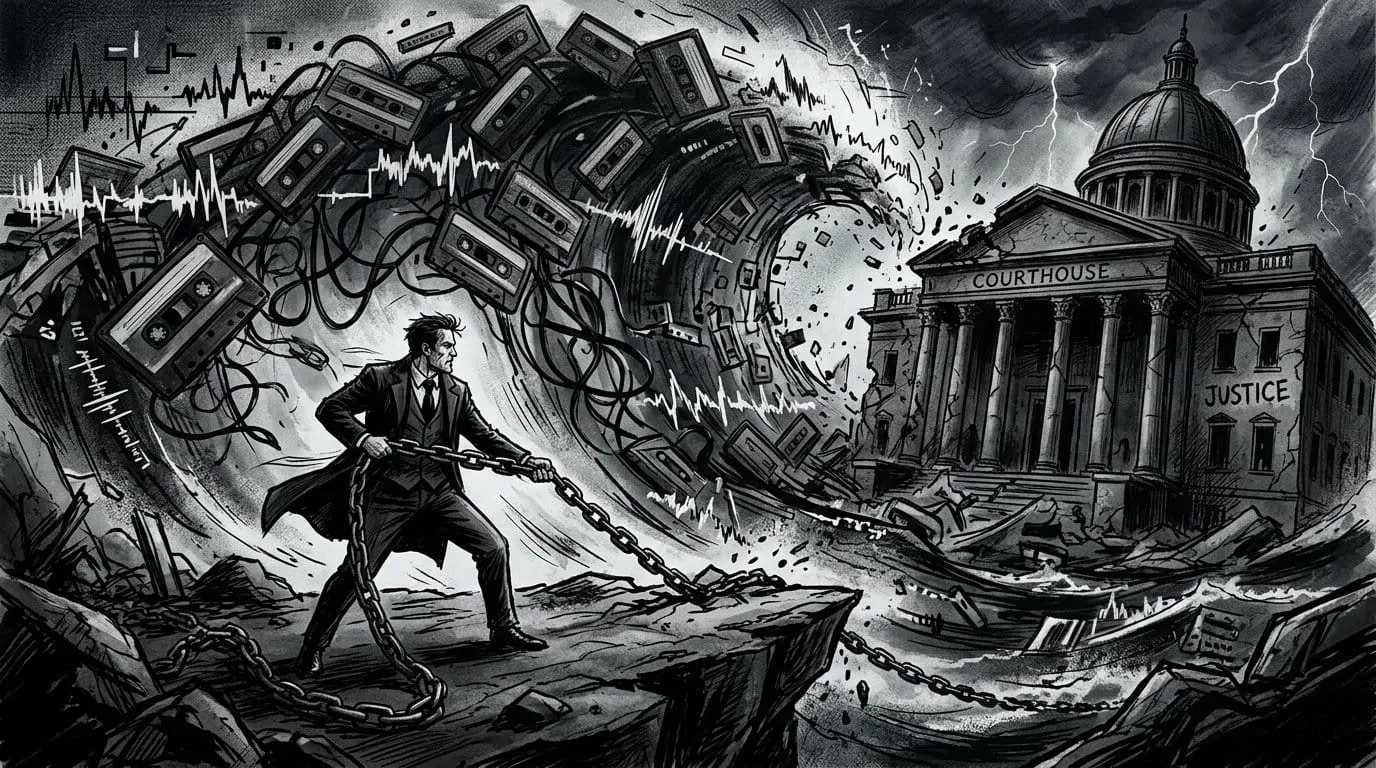
Every day, new tools allow people to create songs with just a few clicks, but this innovation is also causing big legal battles. From giant record labels to independent artists, everyone is trying to figure out how Artificial Intelligence fits into the future of sound. We are currently seeing a massive shift where technology and creativity collide, making it an exciting—and sometimes confusing—time for music lovers and creators alike.
The Legal Storm: Major Labels and Independent Artists Fight Back
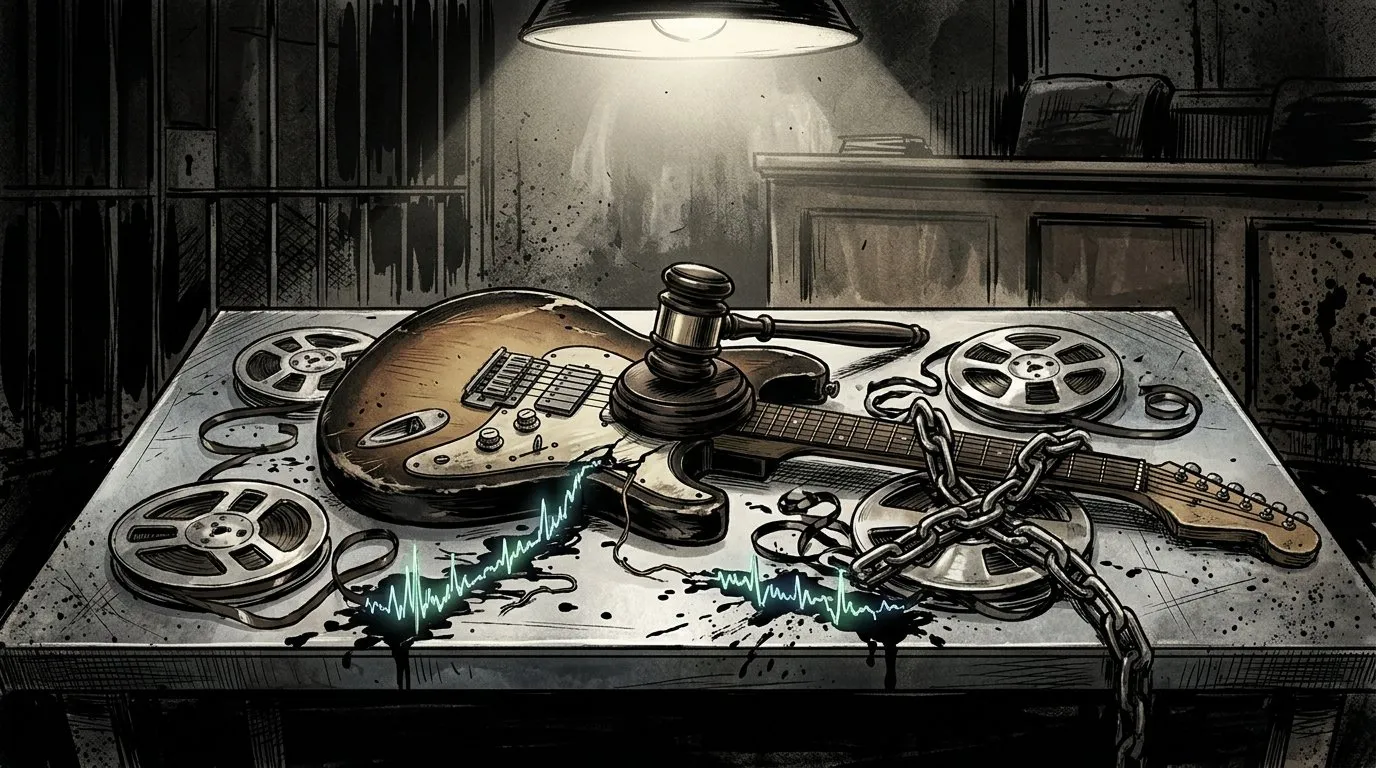
The biggest story in the industry right now is the growing number of legal battles over how AI models are trained. Sony Music Entertainment has taken a major stand by filing a second lawsuit against Udio. This new legal action claims that over 30,000 sound recordings were used without permission to train their AI systems. This is a huge number of songs, and it shows that Sony Music is serious about protecting its library. This second lawsuit came after a judge stopped the company from adding these specific tracks to an older case from 2024. By filing a new suit, Sony Music is making sure every alleged instance of copyright infringement is addressed in court.
It is not just the giant labels that are worried about their work being used. Thousands of independent musicians have joined together in a massive class-action lawsuit against both Suno and Udio. For many independent creators, their music is their livelihood, and they feel that AI companies are using their hard work to build products that might eventually compete with them. The legal team for these artists has been strengthened by the addition of Hagens Berman. This is a law firm known for taking on very large corporations and winning. With thousands of plaintiffs joining this week, the pressure on AI music companies to prove they followed Copyright laws is higher than ever.
Professionals Are Leading the AI Adoption
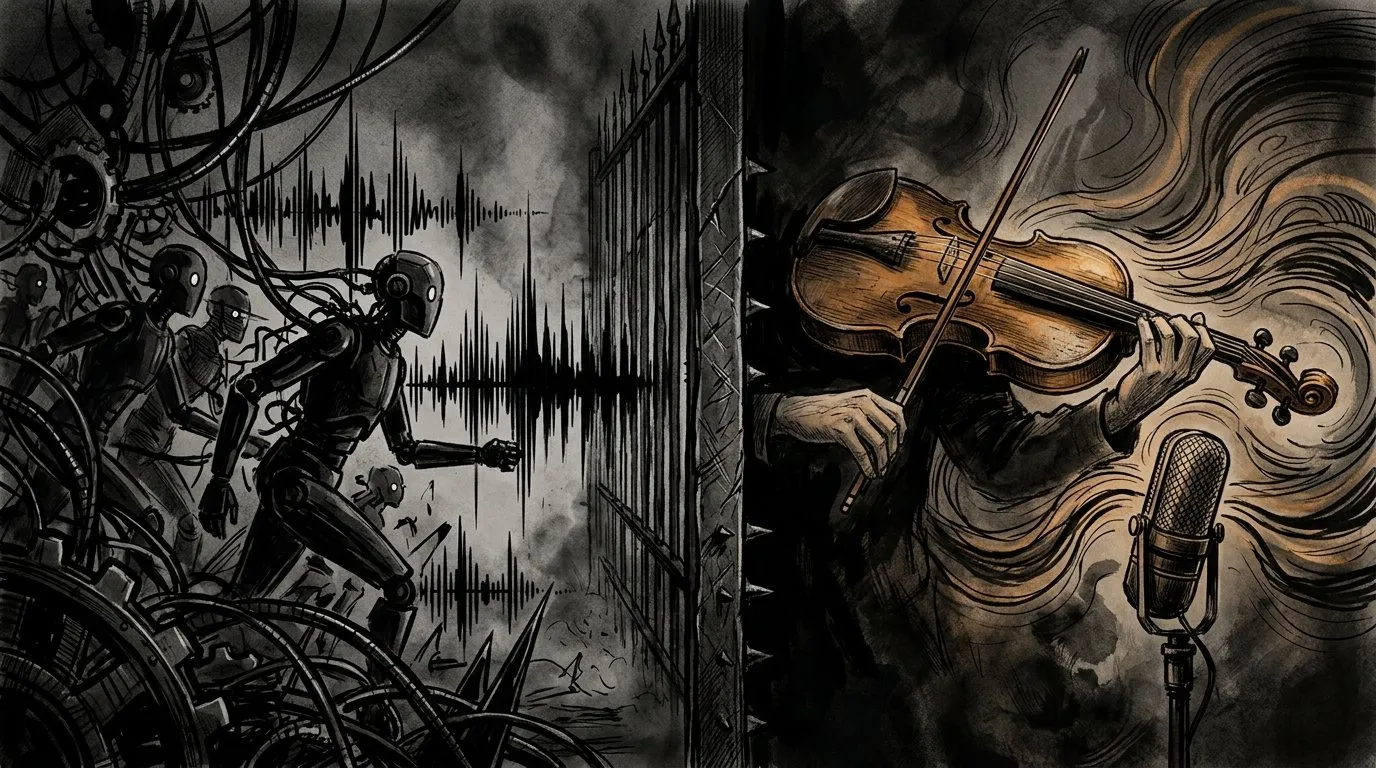
While the courtrooms are busy with lawyers, the recording studios are busy with new technology. A surprising (or not so surprising.....) new report from the Berklee College of Music’s BEATL lab has revealed how deep AI has already gone into the professional world. According to the study, one-third (33%) of working musicians are now using AI in their daily workflows.
What is even more interesting is who is using these tools. You might think that beginners would use AI to do the work for them, but the study found that professional creators are actually much more likely to use AI than newcomers. These pros use AI to generate "reference tracks" or to come up with initial melodies that they can then refine and play themselves. Instead of replacing their talent, they are using Artificial Intelligence as a digital partner to help them get past writer's block and speed up the creative process. This suggests that AI is becoming a standard part of modern Music Production, much like synthesizers or digital audio workstations did in the past.
New Features and Growing Platforms
Despite the legal challenges, the companies building these tools are not slowing down. Suno, one of the leaders in the field, recently launched its v5.5 model. This update is a big step forward for the platform. It introduces advanced voice cloning features, which allow users to create more specific vocal styles. It also improves what experts call "structural coherence." This means that when the AI creates a song, it sounds more like a real song with a clear beginning, middle, and end, even for tracks that are up to 8 minutes long. Even with the lawsuits hanging over them, Suno has managed to maintain a base of 2 million paid subscribers, proving that there is a massive demand for these tools.
YouTube is also bringing AI into the hands of millions of creators. The platform has integrated new AI likeness and music creation tools directly into YouTube Shorts. This allows creators to experiment with their own image and generate unique music for their short videos. However, YouTube is also being careful about transparency. They have introduced a mandatory "AI-use" disclosure setting. This means that if a creator uses AI to make something look or sound real when it isn't, they have to tell their viewers. This is a big step toward making sure people know the difference between human-made content and synthetic media.
The Rise of Smart Instruments
AI is not just living inside our computers and phones; it is also changing the physical instruments we play. At the 2026 World Artificial Intelligence Conference (WAIC), a new wave of "smart instruments" was revealed. One of the most talked-about items was the RIFFMATE, which is a stringless smart guitar.
Instead of traditional strings that can be hard for beginners to press, the RIFFMATE uses AI to guide players through notes and chords in real-time. It acts like a teacher and an instrument all at once. Tools like these are lowering the barrier to musical expression. It means that people who have never had the time or money for traditional music lessons can start making music and feeling the joy of playing an instrument right away. This technology is turning the act of playing music into something more accessible for everyone, regardless of their skill level.
Looking Ahead
As we look at the landscape of music in 2026, it is clear that we are in a period of great transition. We are seeing a tug-of-war between the old ways of protecting music and the new ways of creating it. On one hand, the lawsuits from Sony Music and independent artists will likely set the rules for how AI can be built in the future. These cases will decide how much an artist's "style" or "voice" is worth in the age of automation.
On the other hand, the data from Berklee Online and the success of Suno show that the genie is out of the bottle. Musicians are finding value in these tools, and fans are enjoying the results. Whether it is through a smart guitar like the RIFFMATE or a disclosure tag on YouTube Shorts, the industry is finding ways to adapt. The future of music will likely be a blend of human emotion and machine intelligence, where the most successful artists are those who learn how to use these new tools while still keeping their unique human touch.
Sources: Sony Music Files New Lawsuit Against Udio Over 30,000 Tracks, Thousands of Independent Musicians Join Class Action Against AI Firms, Study Finds One-Third of Professional Musicians Use AI in Workflows, Suno Releases Version 5.5 with Advanced Voice Cloning Features, YouTube Integrates AI Likeness and Music Creation Tools into Shorts, AI-Assisted Smart Instruments Debuted at WAIC 2026