The AI Music Revolution: Lawsuits, New Tools, and the Battle for Copyright
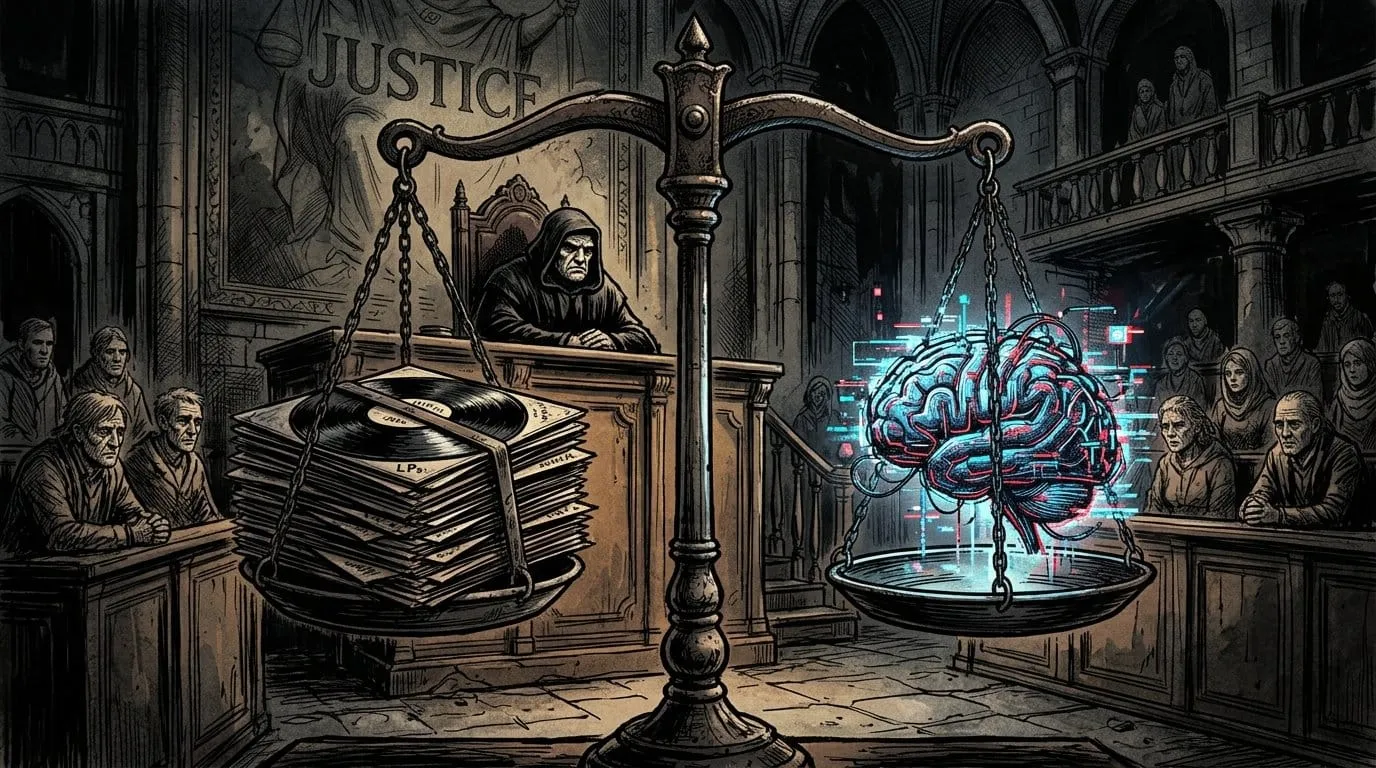
The world of music is changing faster than ever before. Artificial intelligence is no longer just a fun experiment; it is now a major part of how songs are made, sold, and protected. From courtroom battles between giant record labels to new software that helps anyone mix a hit song, the music industry is entering a brand-new era.
Major Labels and the Fight for Control
Right now, some of the biggest names in the music business are headed to court. Universal Music Group and Sony Music are taking legal action to get a closer look at a private deal between Warner Music Group and an AI company called Suno. This deal is a big secret, but other labels want to know exactly what is in it.
Why does this matter? It all comes down to how AI models are trained. Companies like Suno use existing music to teach their AI how to create new songs. The labels argue that this is not fair. They want to show that there is already a real market for AI training licenses. By proving that Warner Music Group got paid for their music, Universal Music Group and Sony Music hope to stop AI companies from claiming "fair use." If they win, AI companies will have to pay record labels a lot of money to use their songs for training.
This battle has even reached the highest levels of government. For the first time, the U.S. government has included AI training in its annual piracy report. The report says that using music catalogs to train AI without permission is a major concern. This means the government is starting to see unauthorized AI training as a form of digital theft, much like illegal downloading was in the past.
The Rise of the Walled Garden
The way we buy and listen to AI music is also shifting. Experts say the industry has moved past the experimental phase and is now fully focused on making money. We are seeing the rise of "walled gardens." This is a system where companies like Universal Music Group build their own private networks to control how AI music is made and shared. Instead of everyone having access to everything, these companies want to keep their content inside their own apps and platforms to make sure they get paid every time a song is played.
Can You Tell the Difference?
As AI gets better at making music, a big question remains: can humans tell the difference? A recent study from UC San Diego (UCSD) found that most listeners actually cannot. In the study, music lovers were asked to listen to tracks and decide if they were made by a person or a computer. Most of the time, they couldn't tell.
Interestingly, the researchers found that what we think about a song depends more on the label than the sound. If a person is told a song was made by a human, they often value it more. If they are told it was made by an AI, they might like it less, even if it sounds exactly the same. This suggests that while AI can mimic human sound, our feelings about "real" art still play a huge role in how we enjoy music.
Who Owns an AI Song?
If a computer writes a song, who owns the copyright? This is a question courts around the world are trying to answer. In Germany, judges recently made some very important decisions. They ruled that AI-generated music can only be protected by copyright if a human can prove they had "genuine creative control."
What does that mean? If you just type "make a happy pop song" into an AI program, you don't own that song. The court calls the AI a "black box" in that situation because the computer did all the work. However, if you give the AI very detailed instructions and guide it through every step of the process, you might be able to claim it as your own. This sets a high bar for creators. To own your music in the future, you will need to prove that the AI was just a tool, like a guitar or a piano, and not the actual songwriter.
New Tools for Modern Creators
While lawyers fight in court, tech companies are releasing amazing new tools for musicians. Mozart AI has just launched a next-generation Generative Audio Workstation (DAW). This isn't just a standard recording program; it uses "generative agents" to act like a digital assistant.
One of the most impressive features of the Mozart AI system is real-time stem splitting. This allows a producer to take a finished song and instantly separate the vocals, drums, and instruments into different tracks. It also features high-quality audio-to-MIDI conversion, which turns recorded sounds into digital notes that can be edited easily. These tools make it possible for people without years of technical training to produce professional-grade music from their own bedrooms.
Looking Ahead
The music industry is at a crossroads. On one hand, we have powerful new tools like Mozart AI that make it easier for anyone to be creative. On the other hand, major labels and governments are working hard to set rules for how this technology can be used.
As we move forward, the focus will likely stay on two things: ownership and quality. As the UC San Diego study showed, AI music already sounds "real" to most people. The challenge for the future won't be making the music sound good—it will be deciding who gets the credit and who gets the paycheck. Whether it is through "walled gardens" or new copyright laws, the way we define a "musician" is changing forever.
Sources: Major Labels Push for Disclosure of Private Warner-Suno AI Licensing Deal, German Courts Establish Strict Threshold for AI-Generated Music Copyright, Mozart AI Launches Next-Generation Generative Audio Workstation (DAW), US Government Piracy Report Officially Includes AI Training Concerns, AI Music Industry Shifts Toward Full Commercialization and 'Walled Gardens', Study: Listeners Fail to Distinguish AI Music from Human Compositions


