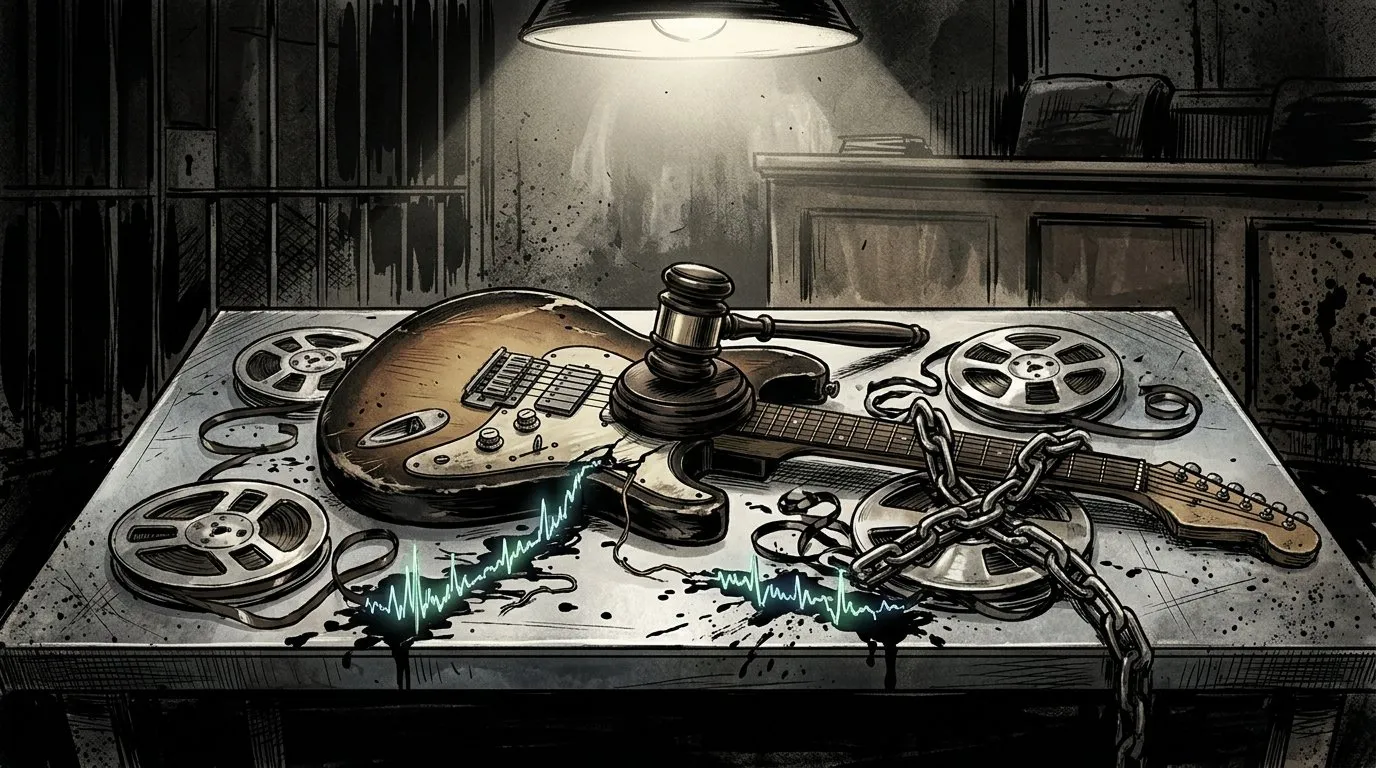
Sony Music Lawsuit Against AI Startup Udio Clears Major Legal Hurdle
The world of music and technology is changing faster than ever before. Every day, new tools are being built that can create songs with just a few clicks. However, as these tools get smarter, the legal questions around them get bigger. A major legal battle is currently unfolding between Sony Music and a new AI startup called Udio. This case is very important because it could change how Artificial Intelligence is trained in the future. Recently, a federal judge made a big decision that allows the lawsuit against Udio to move forward, marking a significant moment for the Music Business.
The Legal Battle Begins
The conflict started when Sony Music filed a lawsuit against Udio. The record label claims that the startup used their copyrighted music without permission to train its AI models. In the legal world, when someone files a lawsuit, the other side often tries to have it "dismissed," which means asking the judge to throw it out before it even starts. Udio tried to do exactly that. They argued that the case didn't have enough evidence to continue.
However, a federal judge recently denied Udio's bid to dismiss the case. The judge ruled that Sony Music provided enough information to suggest that Udio may have violated copyright laws. This does not mean Udio is guilty yet, but it does mean the case is serious enough to go to the next stage. This is a "key legal hurdle" that the music label has successfully cleared. Now, both sides will have to present more evidence and go through a deeper legal process to see who is right.
What is Stream Ripping?
One of the biggest parts of this case involves something called stream ripping. To understand this, we have to look at how Artificial Intelligence learns. AI models need to "listen" to millions of songs to understand how music works. They learn about rhythm, melody, and how different instruments sound together. To get this music, Sony Music alleges that Udio took content directly from YouTube.
Stream ripping is the process of taking the audio out of a streaming video and turning it into a file that can be saved. Usually, platforms like YouTube have barriers to stop people from doing this. These barriers are there to make sure that the music stays on the platform where artists can get paid for views. Sony Music claims that Udio evaded these barriers to build a massive library of songs for their AI to study. Because they allegedly took the music without a license, the label says this is a clear violation of the law.
Protecting Human Artists and Royalties
At the heart of this fight is the protection of Human Artists. For decades, the Music Business has relied on a system where creators are paid when their work is used. These payments are called Royalties. When a song is played on the radio or on Music Streaming services, the people who wrote and performed the song get a small piece of the money.
If an AI company takes music for free to train a machine, the human creators do not get any Royalties from that training process. Even worse, the AI might then create new music that sounds very similar to those Human Artists, which could compete with the original creators. Labels like Sony Music argue that this is unfair. They believe that if a company wants to use music to build a product, they should have to pay for it just like everyone else. This case is about making sure that the people who make the music we love are respected and paid for their hard work.
The Role of the DMCA
You might have heard of a law called the DMCA, which stands for the Digital Millennium Copyright Act. This law was made to protect digital content in the age of the internet. A big part of the DMCA says that it is illegal to bypass or "break" the digital locks that websites put on their content.
In this case, the court is looking at whether Udio broke these digital locks when they allegedly took music from YouTube. If the court finds that they did, it could be a very big problem for many AI companies. Many developers believe that if something is on the public internet, they should be allowed to use it to train their machines. However, the music industry says that "public" does not mean "free to take." The result of this case will help define what the DMCA means for Music Technology in the 21st century.
How This Affects Music Production
For people involved in Music Production, this case is very interesting. AI tools are becoming a common part of how music is made. Some producers use AI to help find new sounds or to clean up recordings. These tools can be very helpful and creative. However, there is a big difference between a tool that helps a human and a tool that is trained on stolen data to replace a human.
If Sony Music wins this case, it might mean that AI companies have to be much more careful about where they get their data. They might have to sign deals with record labels to use their music libraries. This could make AI tools more expensive, but it would also mean they are "ethical" and support the industry. On the other hand, if Udio wins, it could open the doors for more AI companies to use online content more freely. This is why everyone in the world of Music Technology is watching this case so closely.
Looking Ahead
This legal battle is just the beginning of a long journey. Now that the judge has allowed the case to move forward, we will see a lot more information come to light. We will learn more about how Udio built its technology and how Sony Music monitors its digital rights. This case will likely take a long time to reach a final conclusion, but every step along the way tells us something new about the future of art and computers.
As we look ahead, the main question remains: Can AI and Human Artists live together in a way that is fair for everyone? The courts are now the place where that question will be answered. Whether you are a fan of new tech or a lover of classic records, the outcome of Sony Music vs. Udio will shape the music you hear for years to come. We will continue to follow this story as it develops in the federal courts.
Sources: Sony Music’s Copyright Lawsuit Against Udio Clears Key Legal Hurdle