AI Music Revolution: Lawsuits, Remix Deals, and the Future of Sound
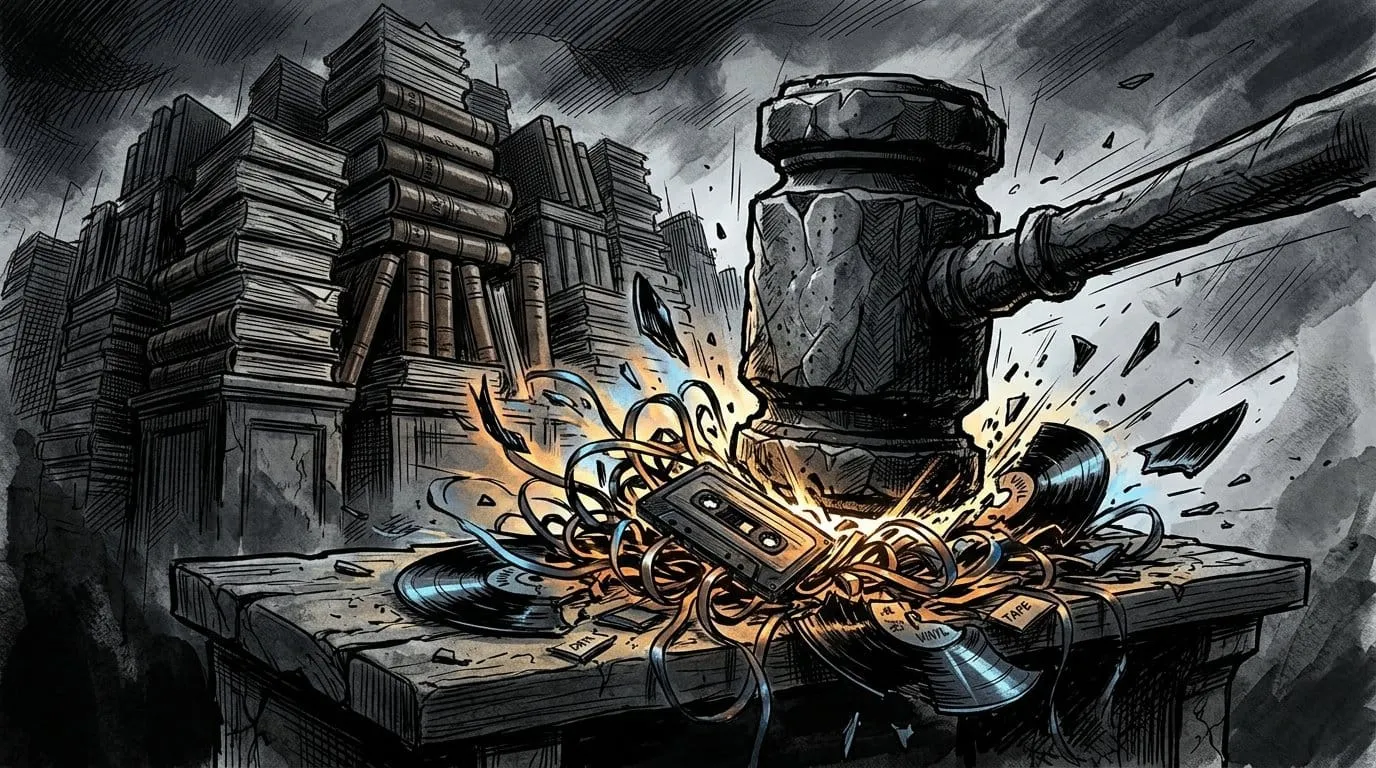
The world of music is changing faster than ever before. Every day, new technology makes it easier to create, but it also creates big questions about who owns what. From massive legal battles in the courtroom to exciting new ways to remix your favorite songs on your phone, artificial intelligence is at the center of a major shift in how we think about music.
The Battle Over Training Data: Suno and Udio
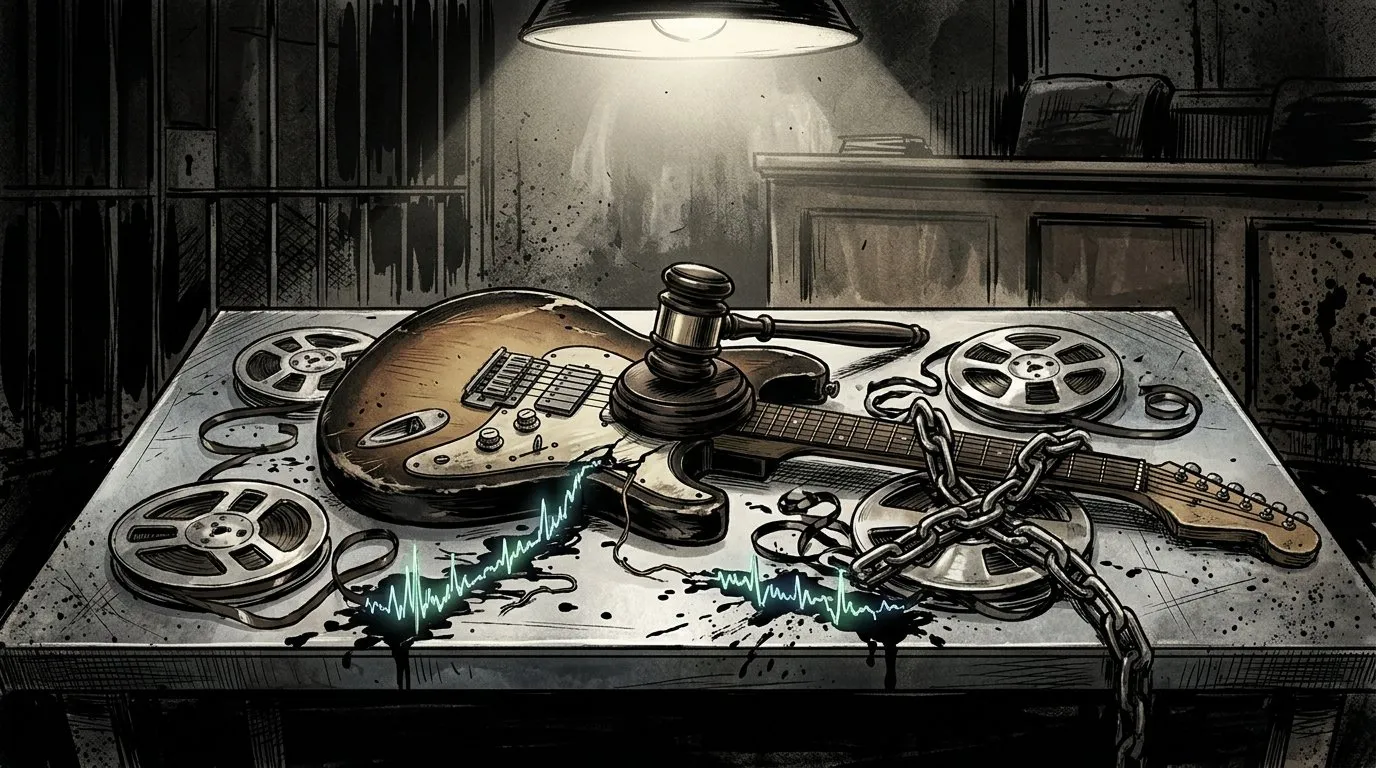
Two of the biggest names in the world of Generative AI music, Suno and Udio, are currently facing serious legal challenges. Major record labels, including Universal Music Group (UMG) and Sony Music Entertainment, are taking these companies to court. The labels claim that these AI tools were built using their copyrighted songs without permission.
Suno has recently asked a federal court to keep the exact size of its training data a secret. They argue that if they reveal how much data they used, it would hurt their business and help their competitors. On the other side, the record labels are trying to expand their lawsuit. They say they have found more than 61,000 specific copyrighted recordings inside Suno’s models. This is a huge number that could lead to massive fines if the court finds that Suno broke the law.
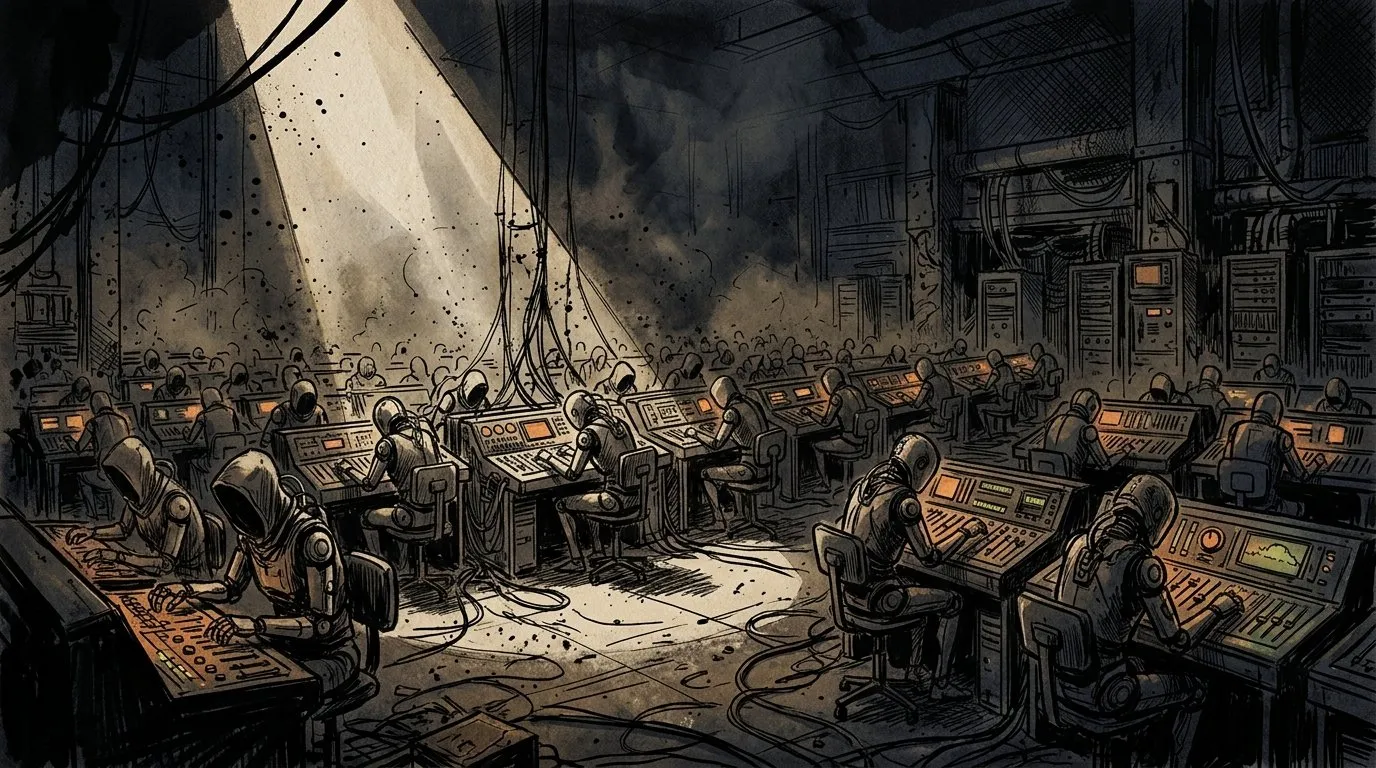
Meanwhile, Udio has made a surprising admission. During its own legal fight with Sony, Udio admitted to using audio from YouTube to train its AI models. This has fueled the debate over fair use. AI companies often argue that "scraping" public content to train a model is allowed under the law. However, music publishers and labels argue that using their artists' hard work to create a commercial product that competes with them is not fair at all.
A Legal "Fortress" for Tech Companies
While the lawsuits against Suno and Udio continue, a recent decision by the Supreme Court has given AI companies a new layer of protection. In a case known as Cox Communications v. Sony Music Entertainment, the court made a ruling that changes how technology providers are held responsible for what their users do.
Legal experts are calling this ruling a "liability fortress." It suggests that if a company provides a tool, they might not be fully responsible for every single copyright violation a user commits with that tool. For Artificial Intelligence companies, this is a major win. It could make it much harder for music labels to sue the creators of AI software for the actions of people using the software at home. This ruling provides a shield that might help the AI industry continue to grow even as legal battles heat up.
Governments Admit They "Got It Wrong"
It isn't just the courts that are busy; governments around the world are also trying to figure out the best way to handle Copyright in the age of AI. In the United Kingdom, Culture Secretary Lisa Nandy recently spoke at SXSW London and made a bold admission. She stated that the UK government's original approach to AI and the creative industries was flawed.
She admitted that the government "got it wrong" and is now looking for a better balance. They want to make sure that the rights of creators—like songwriters and musicians—are protected, while still allowing the UK to be a leader in new technology. This re-evaluation shows that the people in charge are realizing that the old rules might not work for a world where an AI can write a song in seconds.
In the United States, the U.S. Copyright Office is also taking action. Register Shira Perlmutter is set to speak at a summit for the Association of Independent Music Publishers (AIMP). She will discuss how the law is evolving to manage rights and Royalties in the digital age. These discussions are critical because they will determine how artists get paid when their work is used by or alongside AI.
Spotify and UMG: From Threats to Partnerships
Not all news in the AI music world is about fighting in court. Some companies are finding ways to work together. In a landmark move, Spotify and Universal Music Group have signed a new licensing deal. This deal will allow users on the streaming platform to create officially licensed AI-generated remixes and covers.
For a long time, the music industry viewed AI as an external threat that would steal jobs from artists. This partnership changes that. By integrating AI directly into Music Streaming, Spotify and UMG are turning AI into a tool for the Creator Economy. Instead of trying to stop AI, they are finding a way to make sure it is used legally and that the original artists are part of the process. This could change how we interact with music, making listeners active creators rather than just passive fans.
The Funding Gap: A Problem for Startups
Even though there is a lot of excitement about AI, some parts of the industry are struggling to find the money they need to grow. A recent report from Music Technology UK shows that investment in the sector has dropped significantly. In 2021, music tech companies in the UK raised £183 million. By 2025, that number plummeted to just £68.8 million.
This is being called a "scaling problem." While there are many great ideas for new AI music tools, startups are finding it hard to get the money they need to compete on a global stage. Without this growth-stage capital, many promising companies might fail before they ever get their products to the public. This drop in funding is happening even though the AI Boom is in full swing, showing that investors might be getting more cautious about where they put their money.
Looking Ahead
The future of music is being written right now in courtrooms, government offices, and tech headquarters. We are seeing a tug-of-war between the old way of doing things and a brand-new digital frontier. While companies like Suno and Udio fight for the right to use data, and platforms like Spotify build new ways for us to play with sound, the rules are still being decided.
One thing is certain: the relationship between Music Technology and human creativity is changing. Whether it is through the Supreme Court creating a "fortress" for tech or the UK government rethinking its laws, the goal is the same: finding a way to let technology thrive without leaving artists behind. As we look forward, keep an eye on how these legal cases end, as they will set the stage for the next decade of the music we love.
Sources: Suno Moves to Seal AI Training Data Size in Major Copyright Case, Spotify and Universal Music Group Confirm AI Remix Licensing Deal, UK Culture Secretary Admits Government 'Got It Wrong' on AI Copyright, Supreme Court Ruling in Sony Case Creates Liability 'Fortress' for AI, UK Music Tech Investment Hits 5-Year Low Despite AI Boom, US Copyright Office to Address AI and Publishing at AIMP Summit, Udio Admits to Scraping YouTube Audio for AI Model Training