AI Music Revolution: New Rules from Spotify, YouTube, and Beyond
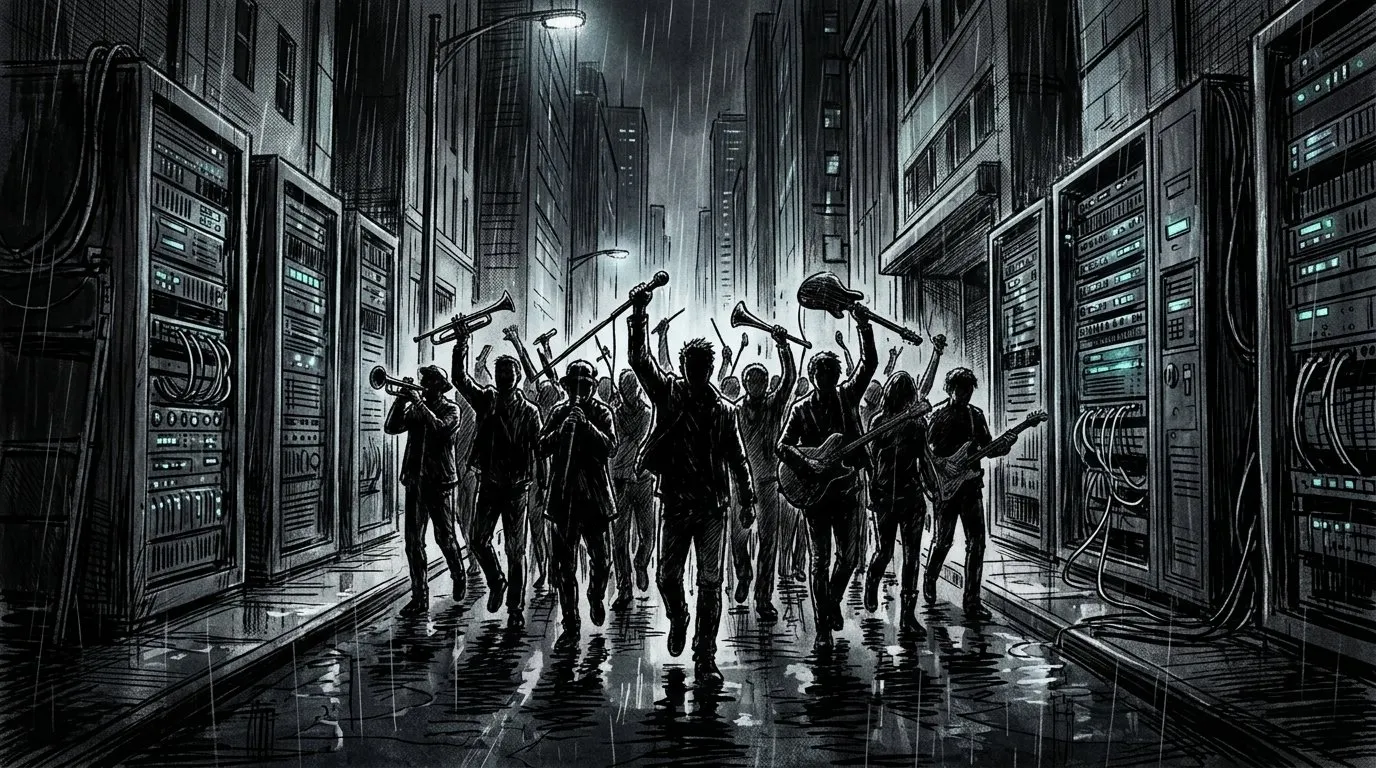
Artificial intelligence is no longer just a futuristic idea in the music world. It is here, and it is changing how we create, share, and listen to our favorite songs. From new labels on streaming apps to stricter rules on video platforms, the industry is finding ways to balance human creativity with new technology.
Knowing What You Hear: Spotify’s AI Labels
Spotify is taking a major step toward honesty in the digital age. They have started testing a new beta feature that allows artists and labels to be open about their use of Artificial Intelligence. For the first time, listeners can check the song credits section to see if AI played a part in the track they are hearing. This is not just about knowing if a computer wrote the song; it is about specific details that help fans understand the creative process.
The new credits can show if AI was used for vocals, lyrics, or even production elements. For example, if a singer uses an AI tool to change the sound of their voice or if a producer uses AI to generate a drum beat, that information can now be listed. This move helps maintain trust between artists and their fans. As Music Streaming continues to grow, listeners want to know how much of what they hear comes from a human and how much comes from a machine. By using these AI transparency disclosures, Spotify is helping everyone understand the role of technology in modern hits. This beta feature is part of a larger effort to ensure that technology is used to help artists rather than hide the truth from the audience.
YouTube’s Crackdown on Low-Quality AI
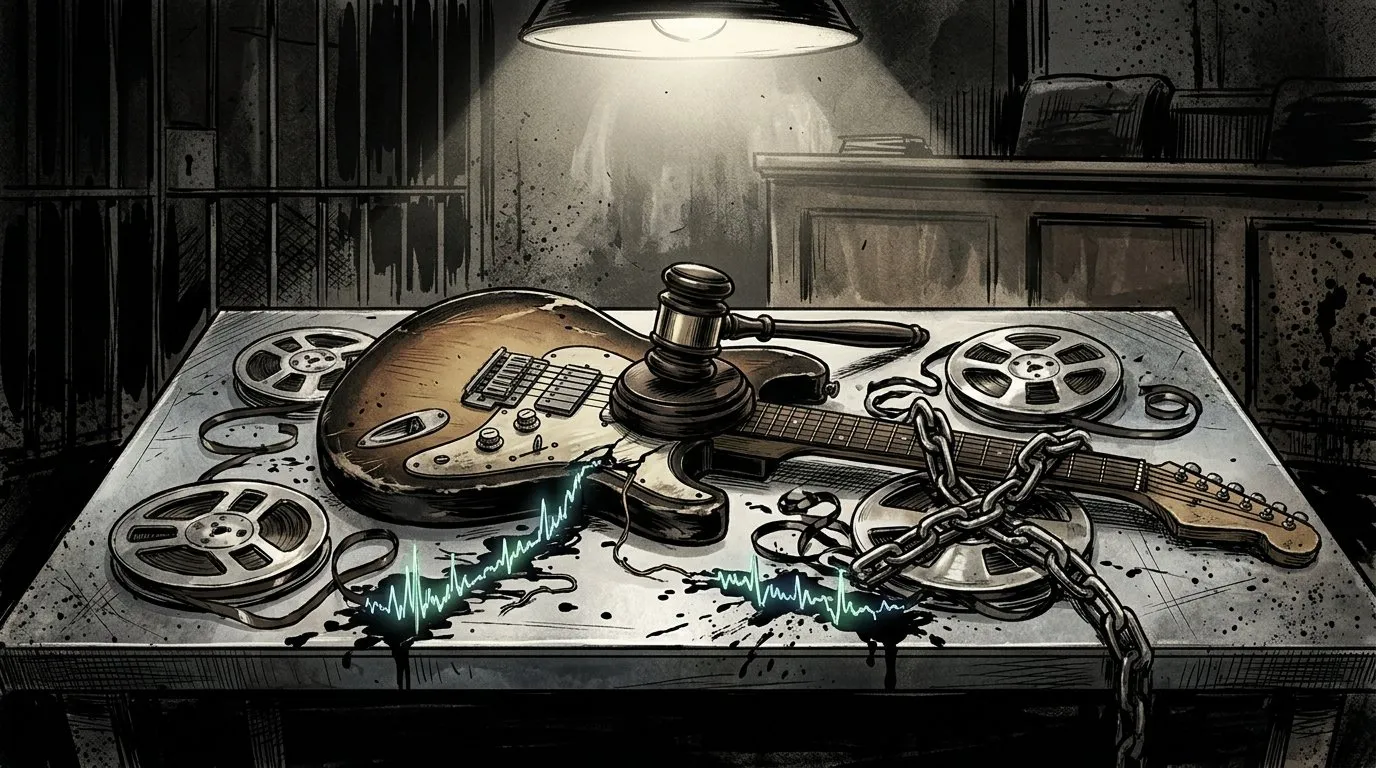
While Spotify focuses on transparency, YouTube is focusing on quality and fair pay. The platform recently updated its monetization policies to address what they call reused content and inauthentic content. These rules are specifically designed to target AI-generated audio that lacks human effort. This is a big deal for anyone involved in the Music Business because it changes how people can make money from their uploads.
In the past, some users would upload thousands of raw, AI-made songs to YouTube just to collect money from ads. YouTube is now putting a stop to this. They want to make sure that the platform rewards real creativity. If a channel uploads mass-produced AI tracks without adding any original visual elements or human curation, they may lose the ability to make money. This change ensures that Human Artists who use AI as a tool are treated differently than those who use it to flood the platform with low-quality noise.
The Human Element in Video
To stay monetized under these new rules, creators must show that they have put significant work into their content. It is no longer enough to just post a computer-generated song with a still image. YouTube is looking for "original visual elements." This means that the more a creator adds their own personality and visual style to a video, the more likely they are to keep their ad revenue. This policy shift is meant to protect the ecosystem from being overwhelmed by robotic, low-value content that doesn't offer anything new to the viewer.
AI Music Videos Go Mainstream
It is not all about rules and restrictions, though. New developments are making it easier for artists to look as good as they sound. AI music video production tools are now becoming a standard part of how songs are released to the public. One of the most exciting developments in this area is the rise of SeeMusic AI.
This technology bridges the gap between making a song and making a video. In the past, creating a high-quality music video took weeks of work, a large crew, and a huge budget. Now, tools like SeeMusic AI allow creators to generate cinematic, beat-synced music videos as a standard part of their release process. These videos are not just random images; they react to the music itself. This means the visuals move, pulse, and change perfectly with the rhythm and mood of the track.
Why 2026 is a Big Year
Experts believe that 2026 will be the year that these types of videos become the norm. As these tools enter mainstream creative workflows, the barrier to entry for new artists is dropping. This allows independent artists to compete with major labels by having professional-looking visuals for every single release. When Music Production and visual storytelling come together through AI, the result is a more immersive experience for the fan. Instead of just hearing a song, the audience gets a full cinematic experience that highlights the artist's vision.
The Future of Music Creation
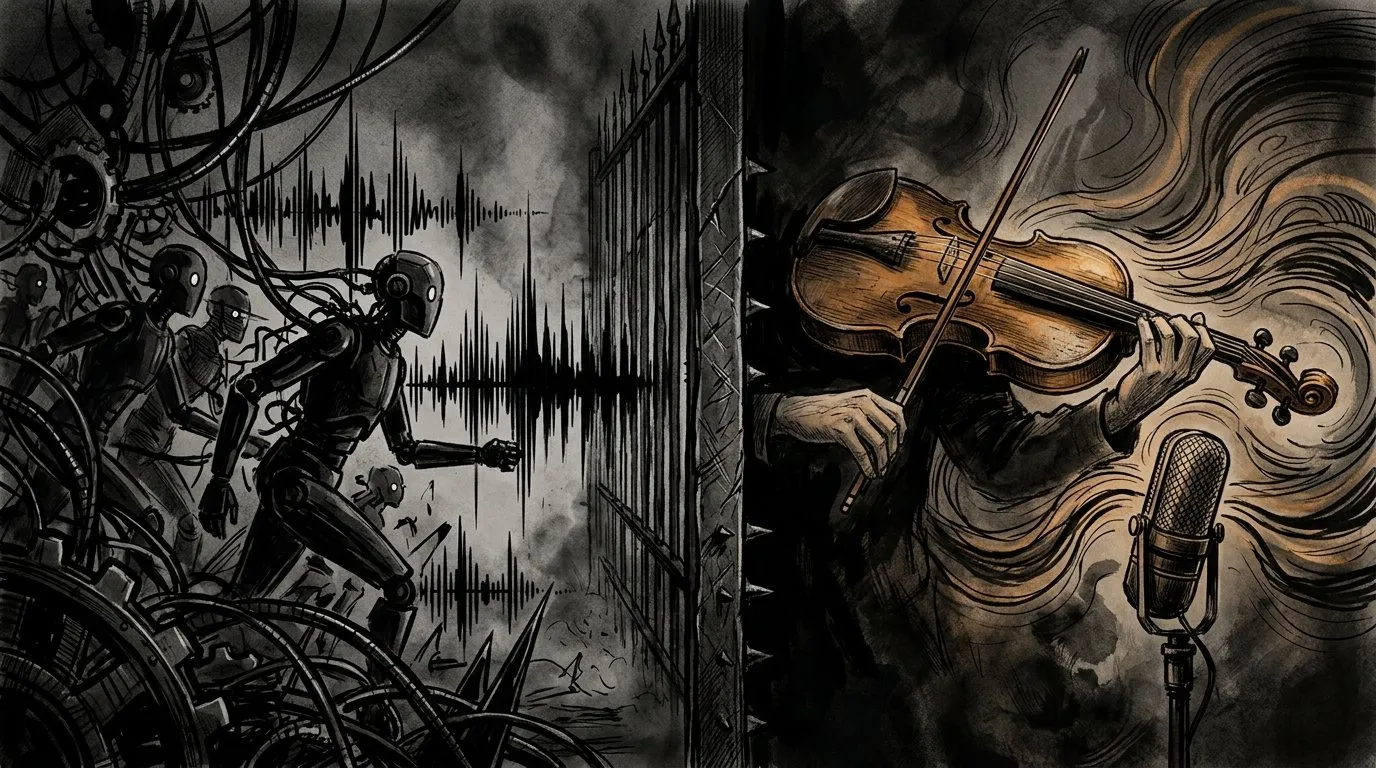
The combination of these three updates shows where the industry is headed. We are seeing a shift toward a more organized landscape for Music Technology. On one hand, we have the tools to create faster and more beautifully than ever before. On the other hand, the biggest platforms in the world are making sure that these tools are used responsibly and that human effort is still valued.
This balance is vital for the health of the industry. When Spotify asks for disclosures, they are protecting the value of human lyrics and performance. When YouTube updates its policies, they are protecting the value of human curation and the financial future of the Music Business. And when tools like SeeMusic AI go mainstream, they are giving artists new ways to express themselves without needing a Hollywood budget. The goal is to create a world where technology enhances human talent rather than replacing it.
Looking Ahead
The world of music is moving fast, and AI is at the center of the conversation. Whether you are a fan who wants to know who truly wrote your favorite song or an artist looking to make a stunning music video, these changes affect you. We are entering an era where Human Artists and AI will work side-by-side. The key to success in this new era will be transparency and quality. As long as creators focus on making something meaningful and are honest about their methods, these new rules and tools will only help the music industry thrive. The future of sound is being written right now, and it looks like a fascinating mix of human heart and digital smarts.
Sources: Spotify Rolls Out AI Transparency Disclosures in Song Credits, YouTube Updates Monetization Policies to Target AI 'Reused Content', AI Music Video Production Tools Enter Mainstream Creative Workflows